


🆘 Vet Emergency 2025: First Aid for Bloat in Dogs — What to Do If You Suspect GDV
When your dog suddenly becomes distressed, paces, or tries to vomit with nothing coming up—it could be bloat, a life-threatening condition. Officially called gastric dilatation-volvulus (GDV), this emergency requires immediate veterinary intervention. I’m Dr Duncan Houston, and this first-aid guide will walk you through what to do—and what not to do—if you suspect your dog is bloating. 🐶
1. What is GDV (Bloat)?
Bloat occurs when a dog’s stomach fills with gas and then twists. This twisting:
- 🔒 Blocks the exit of gas or food from the stomach
- 🫀 Cuts off blood flow to the stomach, spleen, and heart
- 🚨 Triggers rapid shock and can cause death within hours
It is the most urgent emergency in veterinary medicine. Early action saves lives. ⏳
2. DO THIS IMMEDIATELY 🚗
- Call your nearest emergency vet—let them know you’re coming with a suspected bloat case
- Transport your dog IMMEDIATELY—no delay, every minute counts
- Keep your dog calm and still—minimize movement to reduce stress and worsening of twist
3. DO NOT ❌
- ❌ Do NOT attempt to relieve gas by massaging or pressing the abdomen
- ❌ Do NOT give anything by mouth—not food, water, gas-relief meds, or anything else
- ❌ Do NOT assume your dog is just “gassy” or “ate too fast”—bloat can kill within hours
4. Warning Signs of Bloat
- 🫃 Sudden swollen or hard abdomen (not always visible in overweight or deep-chested dogs)
- 🤮 Unproductive retching (dry heaving or only white foam)
- 😰 Restlessness, pacing, unable to lie down
- 💧 Drooling excessively
- 😔 Depression, weakness, or collapse
Trust your instincts. If your dog “just isn’t right,” especially if they are a deep-chested breed, don’t wait.
5. What Happens at the Vet
Once at the veterinary hospital, the team will:
- 📉 Confirm diagnosis via physical exam and X-rays
- 🚰 Administer IV fluids rapidly to treat shock
- 📤 Attempt stomach decompression (via tube or surgery)
- 🔪 Perform emergency surgery to untwist the stomach and assess tissue health
6. Surgery Is Critical
While decompressing the stomach may buy time, surgery is required to:
- ✅ Prevent recurrence by tacking the stomach (gastropexy)
- 🩺 Remove any dead stomach tissue or twisted spleen
Survival rate with surgery: 80%+
Survival without surgery: less than 25%
7. Prevention Tips
While no method is foolproof, these can reduce risk:
- 🥣 Feed multiple small meals daily
- 🧘 Avoid post-meal exercise for 1–2 hours
- 🦴 Use slow-feeder bowls to reduce gulping
- ⚠️ Consider prophylactic gastropexy in high-risk breeds (Great Danes, German Shepherds, Akitas, etc.)
8. Ask A Vet: Be Ready Anytime
When seconds count, use Ask A Vet for immediate help assessing symptoms and knowing when—and where—to go. Whether you’re en route to an ER or unsure if it’s GDV, the Ask A Vet app offers fast, reliable, expert veterinary support. 📲🐾
9. First-Aid Checklist for Suspected Bloat
| ✔️ | Immediate Steps |
|---|---|
| 📞 | Call your emergency vet and describe symptoms |
| 🚗 | Transport immediately—don’t wait for more signs |
| 🧘 | Keep your dog calm and stable |
| 🚫 | Don’t give food, water, meds, or home remedies |
10. Final Thoughts
Bloat is terrifying—and tragically common. But knowing what to do in those early moments can save your dog’s life. Remember: quick transport, no home interventions, and seeking surgical care are your best chances at a full recovery.
— Dr Duncan Houston BVSc
Be ready. Save time. Save lives. Visit AskAVet.com or download the Ask A Vet app today. 💙🐶
This article is general veterinary education and does not diagnose or treat an individual animal. Always confirm medication names, doses and interactions with the veterinarian who knows your pet.
If your animal is struggling to breathe, collapsed, bleeding heavily, seizing, or has eaten something toxic, contact your vet or the nearest emergency clinic now.
Animal Poisons Helpline (AU) 1300 869 738 · Animal Poisons Helpline (NZ) 0800 869 738 · ASPCA Animal Poison Control (US) (888) 426-4435
More from Ask A Vet
For everyday pet care, one scan or tap of the smart pet ID tag opens your pet's free profile on any phone, no app needed; the GPS pet tracker logs live location and activity trends; and the Ask A Vet app keeps your pet's records and routines together.
 Hanging QR & NFC Pet ID TagView ID Tag
The ASK A VET™ Smart ID Tag is a QR scan or NFC tap on any phone, no app needed, with a free profile you can update anytime.
 GPS Pet Tracker for Dogs and CatsView tracker
The ASK A VET™ Tracker logs live location and activity trends, so a change in routine never goes unnoticed.
 Talk to a Vet Online: The Ask A Vet AppExplore the app
Ask questions, speak with vets, and keep your pet's records and routines together with Ask A Vet.
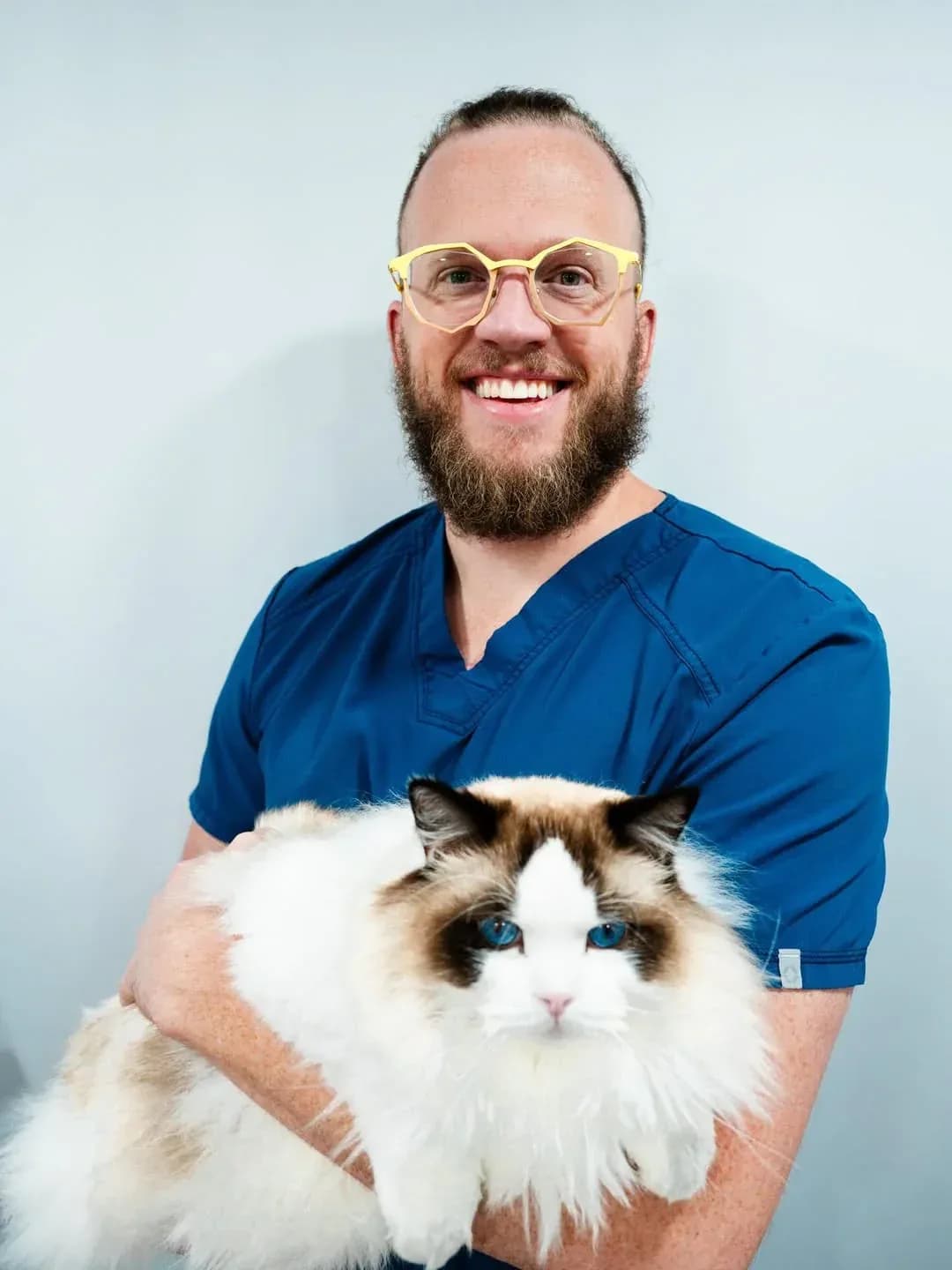
Ask A Vet articles are written by Dr Duncan Houston BVSc, a practising veterinarian, unless another author is named in the byline.