


🌟 Vet’s 2025 Guide to the American Miniature Horse
By Dr Duncan Houston BVSc
1. What is the American Miniature Horse?
The American Miniature Horse is a height-bred equine, always under 34 inches tall (measured at the base of the mane hair), designed to look like a perfectly scaled-down version of full-sized breeds—without pony proportions :contentReference[oaicite:3]{index=3}. They have been developed since the 1960s in the U.S., derived partly from British and Dutch mine ponies and Shetland bloodlines :contentReference[oaicite:4]{index=4}.
2. History & Origins
Bred for nearly 400 years to create diminutive yet elegant horses, they were first imported to the U.S. in 1888. The breed gained official recognition in the 1970s with associations like AMHA and AMHR establishing registers :contentReference[oaicite:5]{index=5}.
3. Conformation & Breed Standards
- Height: Maximum 34 inches (AMHA); AMHR allows up to 38 inches :contentReference[oaicite:6]{index=6}.
- Proportions: Horse-like elegance—long neck, balanced body, fine head, athletic movement :contentReference[oaicite:7]{index=7}.
- Colour & Pattern: All coat colors, spotting patterns, and eye colors accepted—including silver dapple and rare markings :contentReference[oaicite:8]{index=8}.
4. Temperament & Personality
These minis are gentle, intelligent, curious, and eager to please, making them easy to handle and train :contentReference[oaicite:9]{index=9}. Their calm demeanor is ideal for children, therapy settings, and novice handlers.
5. Uses & Versatility
- **Companion animals:** Provide the equine experience with smaller space and care demands :contentReference[oaicite:10]{index=10}.
- **Show events:** Halter classes, miniature driving, obstacle, jumping competitions :contentReference[oaicite:11]{index=11}.
- **Therapy & service roles:** Guide animals, emotional support, visits to hospitals/hospices :contentReference[oaicite:12]{index=12}.
- **Driving & carts:** Suitable for lightweight driving and small vehicle pulling.
6. Care Essentials
- Diet: Grass and hay-based with minimal grain; watch for obesity due to low weight requirement :contentReference[oaicite:13]{index=13}.
- Grooming: Regular brushing, hoof picking, and dental floats every 6–12 months.
- Veterinary health: Monitor for dwarfism traits, hyperlipemia, dental overcrowding, colic, and obesity :contentReference[oaicite:14]{index=14}.
- Lifespan: Typically 25–35 years, offering long-term companionship :contentReference[oaicite:15]{index=15}.
7. Housing & Enclosure
Miniature horses thrive with moderate turnout. While they require less space, they still need secure fencing and enough room for natural movement, grazing, and social interaction.
8. Training & Handling Tips
- **Groundwork:** Teach halter, leading, tieing to establish foundation.
- **Desensitization:** Practice exposure to noises, objects, grooming, farrier work.
- **Cart training:** Begin with harness fits and short pulling sessions.
- **Behavioral training:** Take advantage of their intelligence via positive reinforcement.
9. Health Challenges & Prevention
- Genetic faults: Dwarfism, limb deformation—screen breeders :contentReference[oaicite:16]{index=16}.
- Metabolic concerns: Hyperlipemia, obesity—control diet and weight :contentReference[oaicite:17]{index=17}.
- Dental issues: Crowding, malocclusion—ensure proper floats and monitoring :contentReference[oaicite:18]{index=18}.
10. Ask A Vet Integration 🩺
The Ask A Vet app offers:
- Photo/video help with conformational assessment and dwarfism screening.
- Nutrition and weight monitoring tailored to minis.
- Behavior and training tips for therapy or cart work.
- Alerts for dental, metabolic, and hoof care milestones.
Download the Ask A Vet app today to support your miniature partner’s health, happiness, and longevity in 2025 and beyond! ❤️
11. Summary Table
| Aspect | American Miniature Horse |
|---|---|
| Height | 34 inches max (AMHA) |
| Temperament | Gentle, curious, trainable |
| Uses | Companion, driving, therapy, shows |
| Health | Watch for dwarfism, metabolic, dental issues |
| Lifespan | 25–35 years |
12. Final Thoughts
The American Miniature Horse offers all the heart of a full-sized horse in a compact, manageable form. With elegant conformation, exceptional temperament, and versatility, these horses shine as companions, performers, and therapy partners. Thoughtful nutrition, health screening, and size-appropriate care are essential for their well-being—and Ask A Vet delivers expert support to ensure your mini lives a long, happy, and healthy life in 2025 and beyond. ❤️
This article is general veterinary education and does not diagnose or treat an individual animal. Always confirm medication names, doses and interactions with the veterinarian who knows your pet.
If your animal is struggling to breathe, collapsed, bleeding heavily, seizing, or has eaten something toxic, contact your vet or the nearest emergency clinic now.
Animal Poisons Helpline (AU) 1300 869 738 · Animal Poisons Helpline (NZ) 0800 869 738 · ASPCA Animal Poison Control (US) (888) 426-4435
More from Ask A Vet
For everyday pet care, one scan or tap of the smart pet ID tag opens your pet's free profile on any phone, no app needed; the GPS pet tracker logs live location and activity trends; and the Ask A Vet app keeps your pet's records and routines together.
 QR Code Dog & Cat ID Tag with NFC, HangingView ID Tag
The ASK A VET™ Smart ID Tag is a QR scan or NFC tap on any phone, no app needed, with a free profile you can update anytime.
 Dog & Cat GPS Tracker for Their CollarView tracker
The ASK A VET™ Tracker logs live location and activity trends, so a change in routine never goes unnoticed.
 Talk to a Vet Online: The Ask A Vet AppExplore the app
Ask questions, speak with vets, and keep your pet's records and routines together with Ask A Vet.
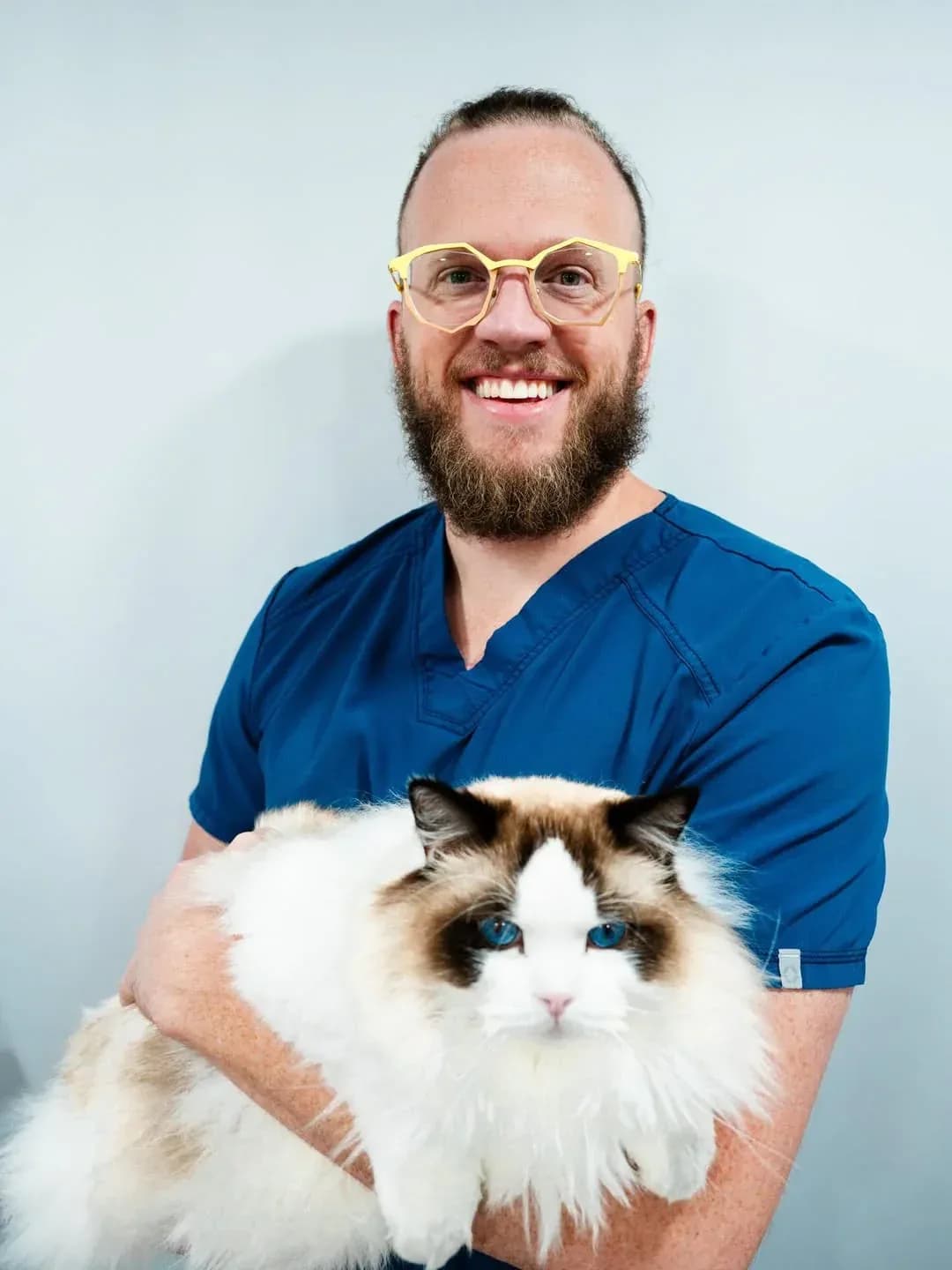
Ask A Vet articles are written by Dr Duncan Houston BVSc, a practising veterinarian, unless another author is named in the byline.