


Why Is My Cat Vomiting? 2025 Causes, Worry Signs & Vet Solutions 🐱✨
In diesem Artikel
Why Is My Cat Vomiting? 2025 Causes, Worry Signs & Vet Solutions 🐱✨
By Dr. Duncan Houston BVSc
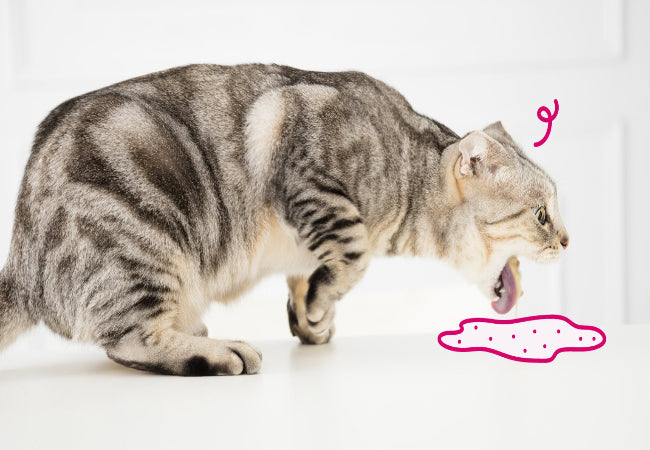
Every cat throws up occasionally—but frequent vomiting isn't normal. Whether it’s hairballs, bile, or food, chronic vomiting could be a sign of a deeper issue.
I’m Dr. Duncan Houston, veterinarian and founder of Ask A Vet. Here's how to tell when vomiting is harmless, when it’s a red flag, and what you can do to help your cat feel better fast.
🔍 What Counts as “Normal” Vomiting?
- Occasional hairball (every few weeks)
- Isolated episode with no other symptoms
🚩 When Vomiting Is a Problem
- Happens more than once per week
- Contains blood, bile, or foreign objects
- Paired with weight loss, lethargy, or poor appetite
- Chronic vomiting despite diet changes
🧾 Common Causes of Cat Vomiting
1. Hairballs
- Long-haired or obsessive groomers
- May need brushing and digestive support
2. Diet Sensitivities
- Low-quality food or sudden food changes
- Food allergies (common proteins like chicken or fish)
3. Eating Too Fast
- “Scarf and barf” behavior
- Use slow feeder bowls or puzzle feeders
4. Gastrointestinal Issues
- IBD, gastritis, pancreatitis
- Often require diagnostics like ultrasound or bloodwork
5. Parasites
- Common in kittens or outdoor cats
- May vomit worms or have diarrhea too
6. Foreign Body Ingestion
- String, rubber bands, plastic toys
- Emergency! It can cause intestinal blockage
7. Systemic Illness
- Kidney disease, liver disease, hyperthyroidism
- Common in senior cats—vomiting may be an early symptom
👨⚕️ How Vets Diagnose the Cause
- Physical exam and detailed history
- Bloodwork, fecal testing, imaging (X-ray or ultrasound)
- Food trials or endoscopy for chronic cases
💊 Treatment Options
- Anti-nausea medications (Cerenia, maropitant)
- Prescription GI diets (e.g., Hill’s i/d, Royal Canin Gastrointestinal)
- Hairball remedies (e.g., laxatives, malt paste)
- Probiotics and dewormers as needed
🛡️ Home Care Tips
- Feed smaller, more frequent meals
- Use puzzle feeders or food mats to slow eating
- Brush daily to reduce hair ingestion
- Switch to a vet-recommended diet slowly over 7–10 days
🔗 Helpful Tools from Ask A Vet
- Felt Caves – Safe hideouts for sick or recovering cats
- Ask A Vet – Track vomiting episodes and get expert guidance on treatment
📋 Summary Excerpt
Cats vomit occasionally—but not regularly. A vet explains what’s normal, what’s not, and how to treat frequent vomiting before it becomes serious.
❓ FAQs
-
Q: How often is too often for my cat to vomit?
A: More than once per week is a red flag—especially if ongoing or paired with weight loss. -
Q: What can I give my cat to stop vomiting?
A: Don’t use human meds. Ask your vet about safe anti-nausea medications or dietary changes. -
Q: Should I fast my cat after vomiting?
A: No. Cats shouldn’t go more than 24 hours without food—it can cause hepatic lipidosis. Try bland, small meals instead.


