


By Dr Duncan Houston
Your cat has an entire home to sleep in, yet chooses the few centimetres around your head. A familiar pillow may be a comfortable and predictable resting place, even if it leaves you negotiating for space.
If the arrangement interrupts sleep, you can change it without damaging your bond. First check whether this is an established preference or a sudden new habit.
Quick Answer
Cats may sleep near a person's head because the area feels warm, familiar and relatively still. The behaviour alone does not indicate illness or prove a particular emotional message. Offer an appealing bed nearby and use a consistent routine if you want more space; new restlessness, night-time calling or other health changes merit a vet check.
Why choose the pillow?
Softness, scent, access and the amount of movement all influence a resting choice. A cat may prefer the head end to moving feet beneath bedding. Cats Protection discusses these possible reasons for sleeping on people. They are reasonable explanations, not proof of what every cat is thinking.
It is unnecessary to assume your head loses most body heat or that pillow-sharing has a special medical benefit. Your cat's repeated choice simply tells you that the location works for them.
When is it a problem?
| Situation | Useful response |
|---|---|
| Longstanding relaxed habit and everyone sleeps well | Maintain hygiene and normal preventive care. |
| Repeated waking or unwanted contact with your face | Teach an alternative resting place and set a consistent boundary. |
| New calling, pacing, clinginess or altered sleep in an older cat | Arrange a health assessment. |
| Breathing difficulty, collapse or severe distress | Seek emergency veterinary care. |
What could explain a sudden change?
Cold surroundings, a noisy new appliance or another animal occupying the usual bed may change sleeping locations. Pain can make climbing or curling up elsewhere difficult. Older cats may develop sensory changes or cognitive dysfunction, but those are diagnoses considered after other illness is assessed.
Cornell's senior-cat guidance explains why changes in routine deserve attention. Record appetite, thirst, litter habits and mobility rather than reporting the sleeping position alone.
How to reclaim your pillow
- Place a comfortable bed beside the pillow or on an accessible nearby surface.
- Use familiar clean bedding and make sure the location is quiet and draught-free.
- Reward your cat for settling there during the day, when learning is easier than at midnight.
- Offer a short evening play session and the normal planned meal, without adding unnecessary calories.
- Gently guide your cat back to the alternative consistently. If the bedroom is closed, provide all essential resources elsewhere.
A pet-safe warming option may suit some cats, but avoid unregulated heat sources and allow the cat to move away freely. A well-placed ordinary bed may be enough.
Safety and comfort for the household
Keep bedding clean and follow the veterinary parasite-prevention plan. People with allergies, asthma or immune-system concerns can discuss sleeping arrangements with their own clinician. Keep cats out of infant sleeping spaces and do not leave a pet and baby together unsupervised.
If a new cat is still settling in, a quiet room with accessible resources may be more comfortable than immediate bedroom access. Cats Protection offers advice on a new cat's first night.
Common mistakes and prevention
Do not shove, shout or spray water at a sleepy cat. Avoid changing the bedroom rule every night or feeding extra whenever you are woken. Maintain daytime activity, predictable interaction and several resting options so the pillow is not the only appealing place.
Frequently Asked Questions
Does sleeping on my head mean dominance?
No. Comfort and learned routine are more useful explanations.
Will a separate bed harm our bond?
No. Continue pleasant daytime interaction and offer a comfortable alternative.
Why has my older cat suddenly started doing this?
Check environmental changes and arrange a vet review if the behaviour is new or accompanied by other signs.
Should I wake my cat to move them?
Use a gentle cue and allow them to orient before moving. Avoid startling or grabbing them.
A good bedtime arrangement lets both of you rest. Make the alternative comfortable, keep the rules predictable and investigate changes that go beyond a favourite sleeping spot.
For more practical animal health information, explore ASK A VET™. Your own veterinary team can help tailor the next steps to your cat or dog.
This article is general veterinary education and does not diagnose or treat an individual animal. Always confirm medication names, doses and interactions with the veterinarian who knows your pet.
If your animal is struggling to breathe, collapsed, bleeding heavily, seizing, or has eaten something toxic, contact your vet or the nearest emergency clinic now.
Animal Poisons Helpline (AU) 1300 869 738 · Animal Poisons Helpline (NZ) 0800 869 738 · ASPCA Animal Poison Control (US) (888) 426-4435
More from Ask A Vet
The GPS pet tracker logs live location and activity trends, the smart pet ID tag is a QR scan or NFC tap on any phone with a free profile you can update anytime, and the Ask A Vet app keeps your pet's records and routines together.
 Dog & Cat GPS Tracker for Their CollarView tracker
The ASK A VET™ Tracker logs live location and activity trends, so a change in routine never goes unnoticed.
 QR Code Dog & Cat ID Tag with NFC, HangingView ID Tag
The ASK A VET™ Smart ID Tag is a QR scan or NFC tap on any phone, no app needed, with a free profile you can update anytime.
 Talk to a Vet Online: The Ask A Vet AppExplore the app
Ask questions, speak with vets, and keep your pet's records and routines together with Ask A Vet.
- Cat Behaviour
- Cats
- Enrichment
- Sleep
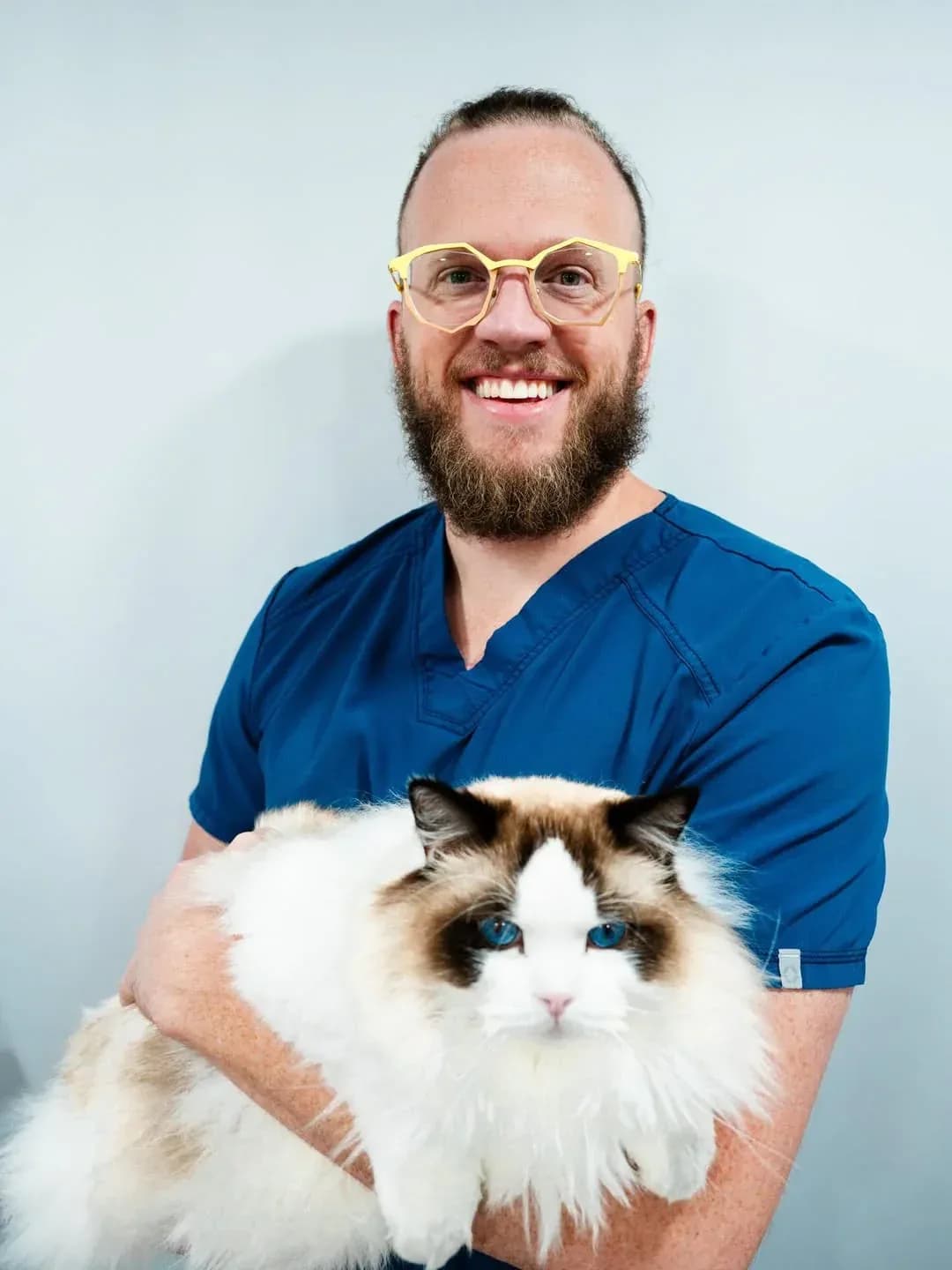
Ask A Vet articles are written by Dr Duncan Houston BVSc, a practising veterinarian, unless another author is named in the byline.