


By Dr Duncan Houston
A Basset Hound's relaxed expression can hide a determined scent hound. Their short legs, substantial body and long ears also create practical care needs that matter when planning walks, grooming and access around the home.
Quick Answer
Basset Hounds generally benefit from daily moderate activity, companionship and patient reward-based training. Keep them lean, check ears and skin regularly, and investigate eye pain or changes in mobility promptly. Know the signs of gastric dilatation-volvulus, or bloat: repeated unsuccessful retching, restlessness and a swollen or painful abdomen need immediate emergency care.
Is a Basset Hound a good fit?
Bassets were developed as low-slung scent hounds with the persistence to follow a trail. Many are sociable companions, but temperament and tolerance of children or other animals vary. Their baying, shedding and need for company may matter as much as exercise when choosing a dog.
The Basset Hound Club of America's owner guidance emphasises that these are hefty dogs despite their height. Consider whether stairs, car access and lifting during an illness would be manageable. Provide secure fencing and use a lead outside enclosed areas; an interesting smell can compete strongly with recall.
Exercise and training that suit a scent hound
Offer regular walks at a comfortable pace with opportunities to sniff. Short food-search games and scent activities provide mental engagement. Build activity gradually and adapt it to age, fitness, weather and joint comfort. A dog slowing down or refusing a walk may be painful rather than stubborn.
Reward attention, recall and calm handling in short sessions. Include training treats in the food allowance. Teach settling and brief comfortable separations gradually, and seek help if being alone causes persistent distress. Harsh corrections can undermine trust; they do not make the environment less interesting.
Weight, joints and the home
Feed a complete, balanced diet in measured portions, using your vet's body-condition assessment to guide adjustments. Basset body shape can make excess weight easy to overlook. You should be able to feel the ribs without pressing through a thick fat layer.
Use nonslip surfaces and a secure ramp where helpful, particularly for car access. Avoid repeated jumps from high furniture. These measures support comfortable movement but cannot guarantee prevention of spinal disease. Recurring limping, stiffness, reluctance to rise or pain when lifted needs examination, not a trial of human painkillers or unproven joint supplements.
Ears, eyes, skin and teeth
- Check long ears regularly. Ask your vet to demonstrate cleaning and recommend an individual schedule and product.
- Arrange an examination for head shaking, odour, redness or discharge. Do not put cotton buds deep into the canal or repeatedly use leftover drops.
- Keep skin folds clean and dry without vigorous scrubbing. Persistent soreness or odour may need treatment.
- Gently remove external eye debris if tolerated, but do not dismiss redness, squinting or cloudiness as normal droopy eyes.
- Brush the short coat, maintain comfortable nails and gradually establish daily toothbrushing with dog toothpaste.
Health records to discuss
The breed club's health policy recommends genetic testing for thrombopathia, primary open-angle glaucoma, mucopolysaccharidosis type I and Lafora disease. These affect clotting, eyes, metabolism or the nervous system. Ask breeders to explain the parents' actual reports and relevant family history.
A clear DNA result only addresses the tested mutation. In particular, a primary open-angle glaucoma test does not exclude other forms of glaucoma. Your vet can advise on ophthalmology assessment and an appropriate monitoring plan. Hip, elbow or other screening may be relevant to the family line and the individual dog.
Emergency signs every Basset owner should know
Cornell identifies Basset Hounds among breeds at risk of bloat. Repeated retching without producing vomit, drooling, abdominal enlargement, pain, weakness or collapse needs immediate veterinary attention. Do not wait for a home remedy or walk to relieve it.
Discuss meal management and whether preventive gastropexy is appropriate with your vet. This operation reduces the risk of stomach twisting but does not prevent all bloating. Feeding changes alone cannot eliminate risk.
A painful, cloudy or suddenly red eye needs urgent assessment. Sudden inability to walk, dragging the back legs, severe back pain, uncontrolled bleeding or breathing difficulty also requires urgent or emergency care.
Frequently Asked Questions
Are Basset Hounds lazy?
Many enjoy resting, but healthy dogs still need activity. A new reduction in energy or willingness to move should not be written off as breed personality.
Can a Basset live in an apartment?
Possibly, with suitable toilet access, walks and a plan for noise and companionship. Numerous stairs may become difficult if mobility changes.
Does a Basset need supplements for its back?
No supplement reliably prevents spinal disease. Weight management, suitable activity and assessment of pain are more useful foundations.
Can I clean away a suspected ear infection?
Cleaning alone may not address infection or its cause. Pain, odour and discharge need a veterinary examination and appropriately selected treatment.
Care that supports comfort
A steady routine, safe scent exploration and close attention to weight and comfort help a Basset enjoy family life. Recognising a change early is more useful than assuming every trait is simply part of the breed.
If you need help understanding your Basset Hound's daily care or a change you have noticed, ASK A VET™ can help you consider the next step. Suspected bloat and other emergency signs need immediate in-person veterinary care.
This article is general veterinary education and does not diagnose or treat an individual animal. Always confirm medication names, doses and interactions with the veterinarian who knows your pet.
If your animal is struggling to breathe, collapsed, bleeding heavily, seizing, or has eaten something toxic, contact your vet or the nearest emergency clinic now.
Animal Poisons Helpline (AU) 1300 869 738 · Animal Poisons Helpline (NZ) 0800 869 738 · ASPCA Animal Poison Control (US) (888) 426-4435
More from Ask A Vet
For everyday pet care, one scan or tap of the smart pet ID tag opens your pet's free profile on any phone, no app needed; the GPS pet tracker logs live location and activity trends; and the Ask A Vet app keeps your pet's records and routines together.
 Hanging QR & NFC Pet ID TagView ID Tag
The ASK A VET™ Smart ID Tag is a QR scan or NFC tap on any phone, no app needed, with a free profile you can update anytime.
 Dog & Cat GPS Tracker for Their CollarView tracker
The ASK A VET™ Tracker logs live location and activity trends, so a change in routine never goes unnoticed.
 Talk to a Vet Online: The Ask A Vet AppExplore the app
Ask questions, speak with vets, and keep your pet's records and routines together with Ask A Vet.
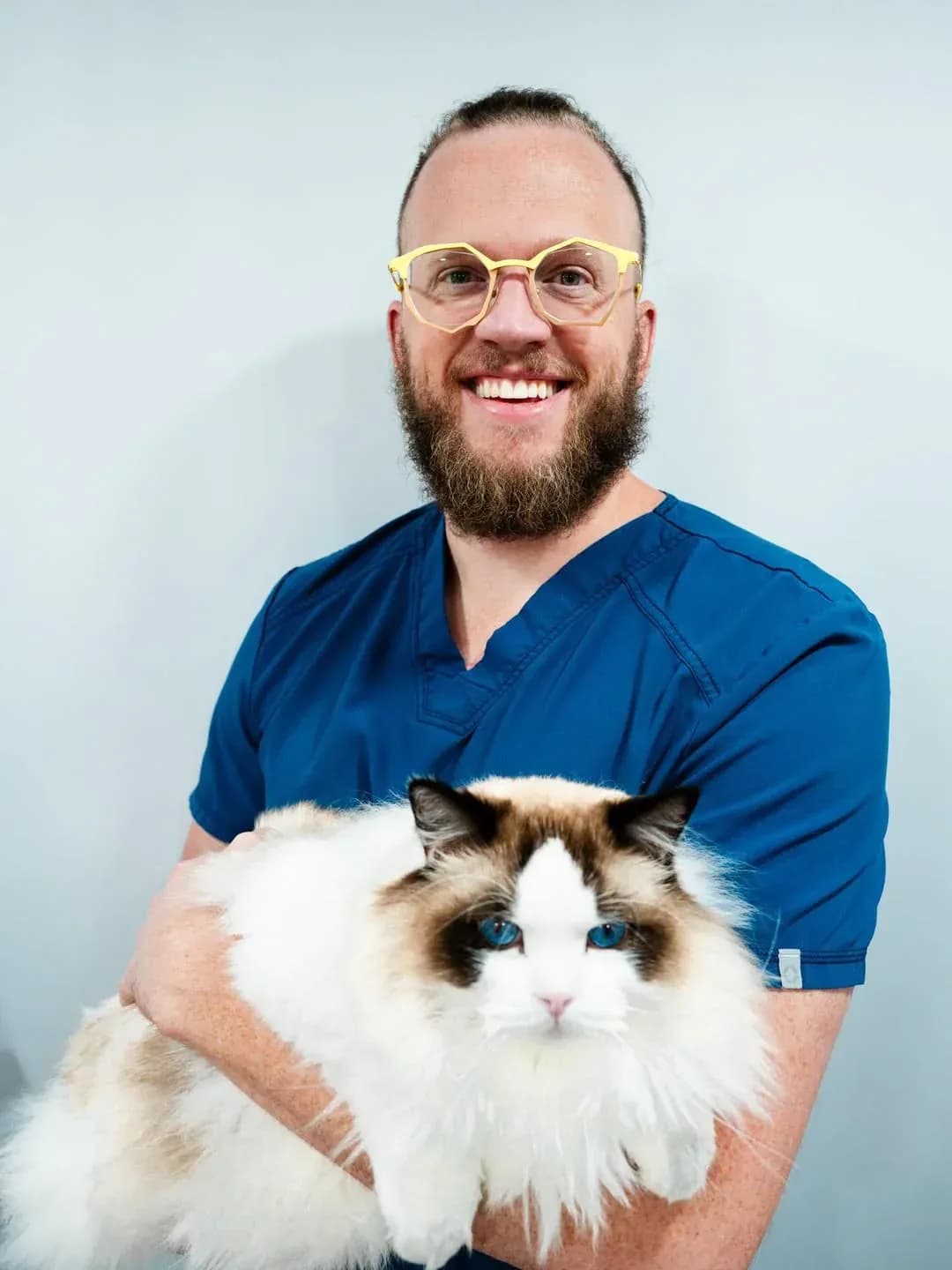
Ask A Vet articles are written by Dr Duncan Houston BVSc, a practising veterinarian, unless another author is named in the byline.