

🐕🦺 Caring for Giant Dog Breeds: Health Tips for Every Life Stage in 2025 🦴
By Dr Duncan Houston BVSc
Introduction
Giant dog breeds, such as Great Danes, Saint Bernards, and Mastiffs, are known for their impressive size and gentle nature. However, their large stature comes with unique health considerations. This guide provides essential tips to ensure your giant dog remains healthy and happy throughout their life stages.
🐶 Puppy Stage (0–18 Months)
During the puppy stage, giant breeds experience rapid growth, which requires careful management to prevent health issues.
-
Nutrition: Feed a diet formulated for large-breed puppies to support controlled growth and bone development.
-
Exercise: Provide moderate, low-impact activities to strengthen muscles without stressing developing joints.
- Veterinary Care: Schedule regular check-ups to monitor growth and address any early signs of orthopedic problems.
🦴 Adult Stage (18 Months–7 Years)
As adults, giant dogs require ongoing care to maintain their health and prevent common issues.
-
Diet: Transition to adult large-breed dog food to maintain a healthy weight and support joint health.
-
Exercise: Engage in regular, low-impact activities like walking and swimming to keep your dog fit.
- Preventive Care: Continue routine veterinary visits, vaccinations, and parasite control.
🐾 Senior Stage (7+ Years)
Giant breeds are considered seniors around 7 years of age. Aging brings new health challenges that require attention.
-
Nutrition: Provide senior dog food rich in joint-supporting nutrients like glucosamine and chondroitin.
-
Mobility: Monitor for signs of arthritis and consider supplements or medications as recommended by your vet.
-
Comfort: Ensure your dog has a comfortable, supportive bed and easy access to food and water.
- Regular Check-ups: Increase the frequency of veterinary visits to catch and manage age-related conditions early.
⚠️ Common Health Issues in Giant Breeds
Giant dogs are prone to specific health problems due to their size:
-
Gastric Dilatation-Volvulus (Bloat): A life-threatening condition where the stomach twists. Immediate veterinary attention is required.
-
Joint Disorders: Conditions like hip and elbow dysplasia are common. Maintain a healthy weight and provide joint supplements as needed.
- Heart Disease: Some giant breeds are susceptible to heart issues. Regular screenings can help with early detection.
📱 Utilize Technology for Optimal Care
Modern tools can assist in managing your giant dog's health:
-
Ask A Vet App: Get expert advice on nutrition, exercise, and health concerns specific to giant breeds.
-
Woopf: Access training resources tailored to large dogs to ensure proper behavior and safety.
- Purrz: Monitor your dog's activity levels and set reminders for veterinary appointments and medication schedules.
Conclusion
Caring for a giant dog breed requires understanding their unique needs at each life stage. With proper nutrition, regular exercise, preventive veterinary care, and the aid of modern technology, you can ensure your gentle giant leads a healthy and fulfilling life.
For personalized guidance and support, visit AskAVet.com and download the Ask A Vet app today! 🐾📲
This article is general veterinary education and does not diagnose or treat an individual animal. Always confirm medication names, doses and interactions with the veterinarian who knows your pet.
If your animal is struggling to breathe, collapsed, bleeding heavily, seizing, or has eaten something toxic, contact your vet or the nearest emergency clinic now.
Animal Poisons Helpline (AU) 1300 869 738 · Animal Poisons Helpline (NZ) 0800 869 738 · ASPCA Animal Poison Control (US) (888) 426-4435
More from Ask A Vet
For everyday pet care, one scan or tap of the smart pet ID tag opens your pet's free profile on any phone, no app needed; the GPS pet tracker logs live location and activity trends; and the Ask A Vet app keeps your pet's records and routines together.
 QR Code Dog & Cat ID Tag with NFC, HangingView ID Tag
The ASK A VET™ Smart ID Tag is a QR scan or NFC tap on any phone, no app needed, with a free profile you can update anytime.
 Dog & Cat GPS Tracker for Their CollarView tracker
The ASK A VET™ Tracker logs live location and activity trends, so a change in routine never goes unnoticed.
 Talk to a Vet Online: The Ask A Vet AppExplore the app
Ask questions, speak with vets, and keep your pet's records and routines together with Ask A Vet.
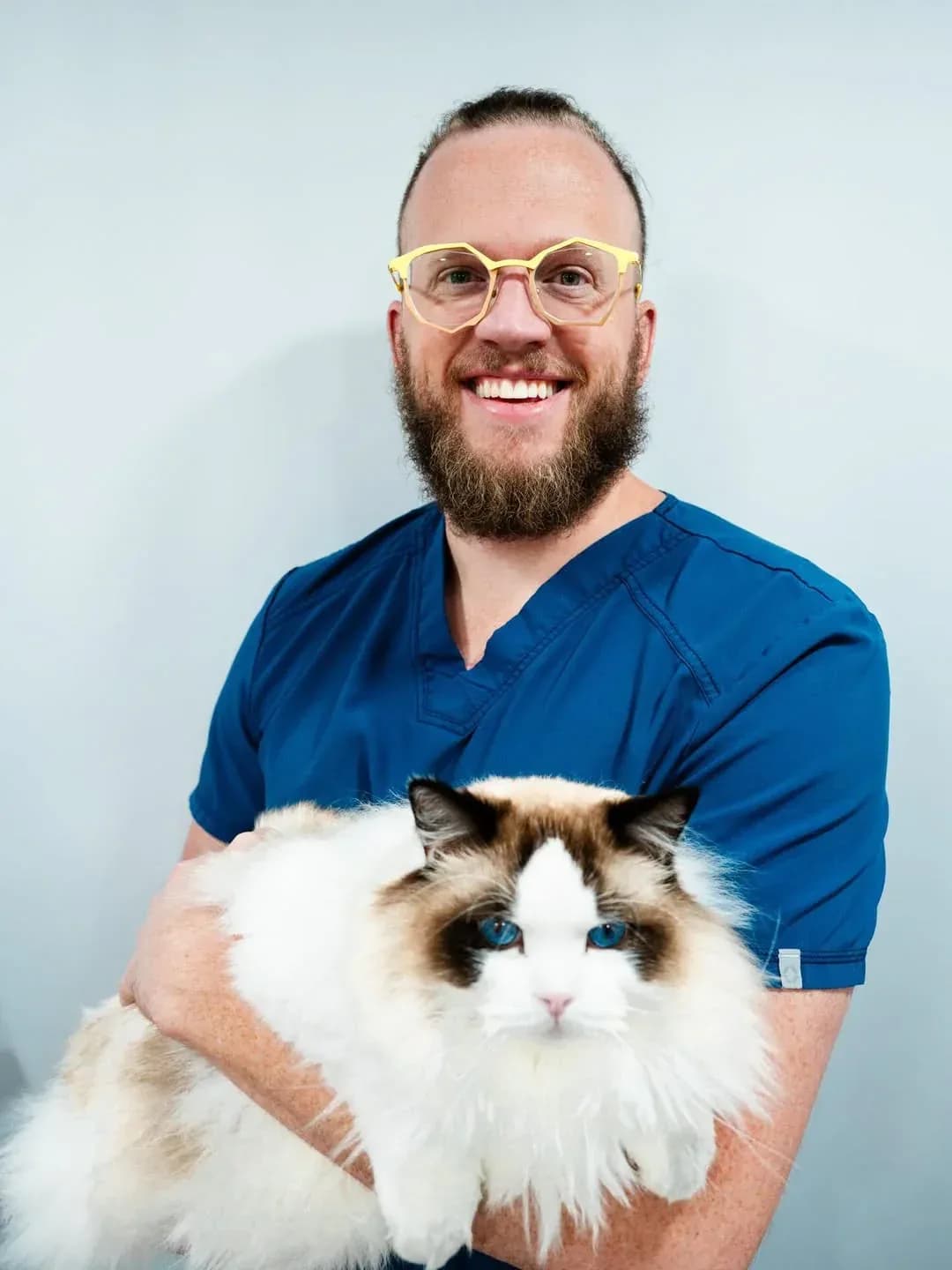
Ask A Vet articles are written by Dr Duncan Houston BVSc, a practising veterinarian, unless another author is named in the byline.