


👁️ Collie Eye Anomaly in Dogs – A 2025 Vet’s Guide to Genetic Eye Conditions and Vision Loss
By Dr Duncan Houston, BVSc
🔍 What Is Collie Eye Anomaly (CEA)?
Collie Eye Anomaly (CEA) is an inherited eye disorder that affects both eyes (often unequally). It can lead to vision defects, retinal detachment, or even blindness. 🧬👁️
CEA results from genetic mutations that disrupt development of the retina and choroid—the blood vessel layer under the retina. Some abnormalities appear soon after birth and may even disappear with age, while others progress over time. 📈
🐶 Breeds Most Affected by CEA
- Rough and Smooth Collies
- Border Collies
- Australian Shepherds
- Shetland Sheepdogs
- Lancashire Heelers
It’s also seen in mixed breeds with collie heritage. 🐾
🧬 Inheritance Pattern
CEA is inherited in an autosomal recessive manner. This means:
- 📦 A dog with two copies of the mutation = affected
- 🔄 One copy = carrier, no symptoms
- 🚫 Two carriers can produce affected offspring
DNA testing can identify all three genetic states with 90–95% accuracy. 🧪
📋 Common CEA Abnormalities
1. 🧠 Choroidal Hypoplasia
- Most common CEA defect
- Poor development of choroid (blood supply) beneath retina
- Causes blind spots, especially in low light
2. 🌀 Retinal Detachment
- Can occur at any age
- May involve partial or full vision loss
- Recurrent bleeding in the eye can lead to glaucoma and pain
3. 🧫 Colobomas
- Bulges or cupped areas near the optic disc
- May lead to retinal detachment or blindness
4. 📉 Retinal Folds
- Folds occur when the retina is too large for the eye
- May disappear with age but are a CEA marker
5. 💉 Vascular Abnormalities
- Malformed or missing blood vessels in the eye
🔬 Diagnosing CEA
CEA is usually diagnosed during a screening eye exam with dilated pupils, performed by a veterinary ophthalmologist. This is best done between 5–12 weeks of age. Retinal folds may disappear with age, so early screening is essential. 🔎
🧪 Genetic Testing for CEA
DNA tests are available and recommended for breeding dogs. They can identify:
- ✅ Clear (no mutation)
- 🟡 Carrier (one mutation)
- 🔴 Affected (two mutations)
Puppies can be tested as long as they’re big enough to safely draw blood. Responsible breeders should test both parents and avoid breeding two carriers. 🧬
👨⚕️ Treatment Options
There is no cure for CEA itself, but some complications like retinal detachment may be treatable surgically. Dogs with mild forms of CEA often live full lives with little visual impairment. ✅
🔁 Managing CEA
- 👁️ Schedule routine ophthalmology checkups for affected dogs
- 💬 Consult a veterinary ophthalmologist if vision changes occur
- 💡 Prevent breeding of affected or carrier dogs to reduce CEA in the gene pool
📲 Ask A Vet for CEA Advice
Not sure if your puppy needs screening? Have questions about DNA testing or breeding choices? Use the Ask A Vet App or visit AskAVet.com to connect with expert veterinary help. 🐶📱
✅ Summary: Collie Eye Anomaly
- 🧬 Inherited condition affecting the retina and choroid
- 👁️ Common signs include colobomas, choroidal hypoplasia, retinal detachment
- 🔬 Diagnosed by eye exam before 12 weeks old
- 🧪 DNA testing helps reduce cases through selective breeding
- 👨⚕️ Most dogs with CEA live full, comfortable lives
💬 Final Words from Dr Duncan Houston
CEA is a genetic condition—but it’s one that responsible screening, breeding, and care can manage. Whether your dog is affected, a carrier, or simply at risk, we’re here to help you navigate diagnosis, testing, and care. 🐾💙
Still have questions? Open the Ask A Vet App or visit AskAVet.com for fast, personalized guidance. 🩺📱
This article is general veterinary education and does not diagnose or treat an individual animal. Always confirm medication names, doses and interactions with the veterinarian who knows your pet.
If your animal is struggling to breathe, collapsed, bleeding heavily, seizing, or has eaten something toxic, contact your vet or the nearest emergency clinic now.
Animal Poisons Helpline (AU) 1300 869 738 · Animal Poisons Helpline (NZ) 0800 869 738 · ASPCA Animal Poison Control (US) (888) 426-4435
More from Ask A Vet
For everyday pet care, one scan or tap of the smart pet ID tag opens your pet's free profile on any phone, no app needed; the GPS pet tracker logs live location and activity trends; and the Ask A Vet app keeps your pet's records and routines together.
 Hanging QR & NFC Pet ID TagView ID Tag
The ASK A VET™ Smart ID Tag is a QR scan or NFC tap on any phone, no app needed, with a free profile you can update anytime.
 GPS Pet Tracker for Dogs and CatsView tracker
The ASK A VET™ Tracker logs live location and activity trends, so a change in routine never goes unnoticed.
 Talk to a Vet Online: The Ask A Vet AppExplore the app
Ask questions, speak with vets, and keep your pet's records and routines together with Ask A Vet.
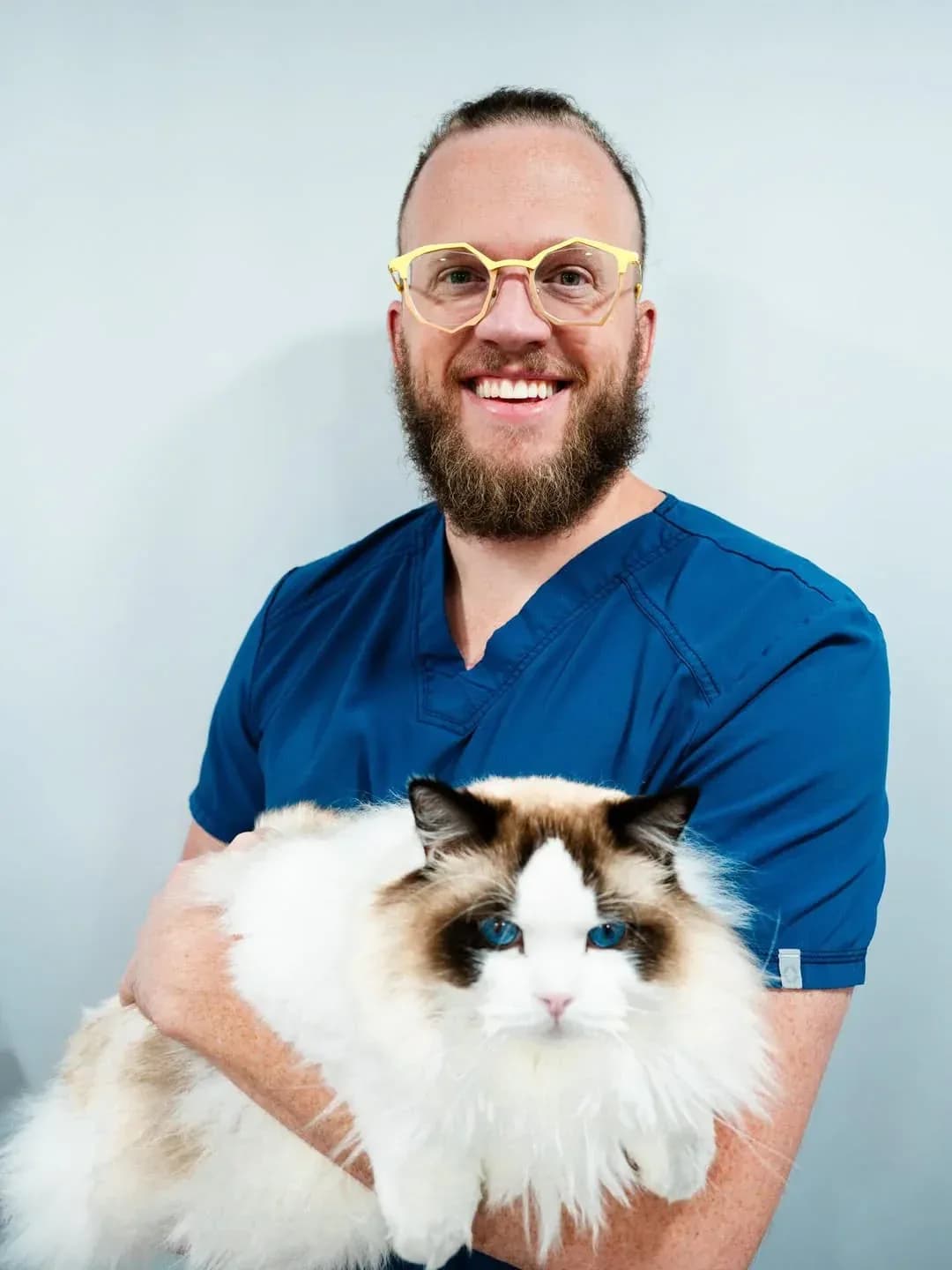
Ask A Vet articles are written by Dr Duncan Houston BVSc, a practising veterinarian, unless another author is named in the byline.