




Is a Dog Food Topper Right for My Pet? 🐶🍽️
Dog food toppers have become incredibly popular — from broths and freeze-dried meats to powders, gravies, and mix-ins that promise better taste, better nutrition, and happier mealtimes 🥣✨.
As Dr Duncan Houston BVSc, one of the most common questions I hear from dog owners is:
“Should I be adding a food topper to my dog’s meals?”
The answer isn’t a simple yes or no. Food toppers can be helpful in certain situations — but when used incorrectly, they can create nutritional imbalance, picky eating habits, digestive upset, and weight gain ⚠️.
This guide will help you understand what dog food toppers are, when they’re beneficial, when they’re unnecessary, and how to use them safely if they’re appropriate for your dog 🐾.
What Is a Dog Food Topper? 🥩
A dog food topper is any additional food or supplement added on top of a dog’s regular meal.
Common types of food toppers include:
- 🍗 Freeze-dried or air-dried meats
- 🥣 Bone broth or meat broth
- 🥩 Fresh cooked meats
- 🐟 Fish oils or omega supplements
- 🌿 Powders containing herbs or nutrients
- 🍠 Fresh vegetables or fruits
Some toppers are designed to enhance flavour, others aim to boost nutrition — and many do both.
Why Dog Owners Use Food Toppers 🧠
Most pet parents reach for food toppers with good intentions.
Common reasons include:
- 🐶 A picky eater refusing meals
- 🍽️ Wanting to add variety
- 💊 Supporting joint, skin, or digestive health
- 🦷 Softening food for senior dogs
- ❤️ Showing love through food
While these motivations are understandable, not every dog benefits from added toppers.
Do Healthy Dogs Need Food Toppers? 🐾
This is the most important point to understand.
Most healthy dogs eating a complete, balanced diet do NOT need food toppers.
Commercial dog foods are carefully formulated to provide all required nutrients in the correct proportions. Adding extra ingredients can unintentionally disrupt this balance.
Food toppers are usually unnecessary when:
- ✅ Your dog eats meals willingly
- ✅ Your dog maintains a healthy weight
- ✅ Your dog has good energy, digestion, and coat quality
In these cases, consistency is often healthier than variety.
When Food Toppers CAN Be Helpful 🩺
There are situations where food toppers may provide real benefit when used carefully.
Food toppers may be appropriate for dogs who:
- 🐕 Are recovering from illness or surgery
- 🦴 Have difficulty chewing dry food
- 🐾 Have reduced appetite due to age
- ⚖️ Need encouragement to eat prescription diets
- 🍽️ Require increased hydration
In these cases, toppers should support the main diet — not replace it.
The Risk of Creating a Picky Eater ⚠️
One of the biggest problems I see with food toppers is behavioural, not nutritional.
Dogs quickly learn patterns. If a topper appears every time they refuse food, they may start holding out for “something better.”
This can lead to:
- ❌ Food refusal without toppers
- ❌ Escalating topper requirements
- ❌ Stressful mealtimes
- ❌ Inconsistent nutrition
Food toppers should never be used as a reward for refusing meals.
Can Food Toppers Cause Weight Gain? ⚖️
Yes — very easily.
Many toppers are calorie-dense, especially meats, oils, and gravies. Even small amounts can significantly increase daily calorie intake.
Weight gain risks increase when:
- 🍗 High-fat toppers are used daily
- 🍽️ Meal portions are not adjusted
- 🐶 Multiple family members add extras
Unintentional weight gain increases the risk of arthritis, diabetes, and heart disease.
Are Homemade Food Toppers Safe? 🥕
Homemade toppers can be safe — but only when chosen carefully.
Safer homemade topper options include:
- 🥩 Plain cooked chicken or turkey (no seasoning)
- 🐟 Plain cooked fish (no bones)
- 🎃 Plain pumpkin
- 🥕 Cooked carrots or green beans
Foods to avoid as toppers:
- 🚫 Onions or garlic
- 🚫 Fatty meats or skins
- 🚫 Sauces, gravies, or seasonings
- 🚫 Raw diets without guidance
“Human food” is one of the most common causes of digestive upset and pancreatitis.
Commercial Food Toppers: What to Look For 🔍
If using a store-bought topper, quality matters.
Choose toppers that:
- ✅ Are formulated specifically for dogs
- ✅ List clear ingredients and calorie content
- ✅ Avoid artificial colours and flavours
- ✅ Provide feeding guidelines
Avoid toppers with vague ingredient lists or exaggerated health claims.
How to Use Food Toppers Safely 🛡️
If a topper is appropriate for your dog, use it strategically.
Vet-approved guidelines:
- 🥄 Use very small amounts
- 🍽️ Mix evenly — don’t layer on top
- ⚖️ Adjust meal portions if needed
- 📅 Avoid daily reliance when possible
The main meal should always remain nutritionally complete.
Dogs Who Should Avoid Food Toppers 🩺
Some dogs need extra caution.
Avoid or strictly limit toppers if your dog:
- Has pancreatitis history
- Has food allergies
- Has gastrointestinal disease
- Is on a prescription diet
- Is overweight or obese
In these cases, even “healthy” toppers can worsen medical issues.
Should I Ask a Vet Before Using a Food Topper? 🩺
Yes — especially if your dog has any health conditions or isn’t eating well.
A veterinarian can help determine whether the issue is behavioural, nutritional, or medical — and whether a topper is the right solution.
Final Thoughts from Dr Duncan Houston BVSc 💚
Food toppers are not inherently good or bad. Their value depends entirely on why they’re used and how they’re used.
For many dogs, consistency and balanced nutrition matter more than variety. For others, strategic use of a topper can support recovery, appetite, or hydration.
If you’re unsure whether a food topper is right for your dog, professional guidance can prevent problems before they start.
Visit AskAVet.com and download the Ask A Vet app 📲 for personalised feeding advice, nutrition support, and expert veterinary guidance — anytime, anywhere.
🐾 Smart feeding choices lead to healthier, happier dogs.
This article is general veterinary education and does not diagnose or treat an individual animal. Always confirm medication names, doses and interactions with the veterinarian who knows your pet.
If your animal is struggling to breathe, collapsed, bleeding heavily, seizing, or has eaten something toxic, contact your vet or the nearest emergency clinic now.
Animal Poisons Helpline (AU) 1300 869 738 · Animal Poisons Helpline (NZ) 0800 869 738 · ASPCA Animal Poison Control (US) (888) 426-4435
More from Ask A Vet
For everyday pet care, one scan or tap of the smart pet ID tag opens your pet's free profile on any phone, no app needed; the GPS pet tracker logs live location and activity trends; and the Ask A Vet app keeps your pet's records and routines together.
 QR & NFC Pet ID Tag for Dogs and CatsView ID Tag
The ASK A VET™ Smart ID Tag is a QR scan or NFC tap on any phone, no app needed, with a free profile you can update anytime.
 GPS Pet Tracker for Dogs and CatsView tracker
The ASK A VET™ Tracker logs live location and activity trends, so a change in routine never goes unnoticed.
 Talk to a Vet Online: The Ask A Vet AppExplore the app
Ask questions, speak with vets, and keep your pet's records and routines together with Ask A Vet.
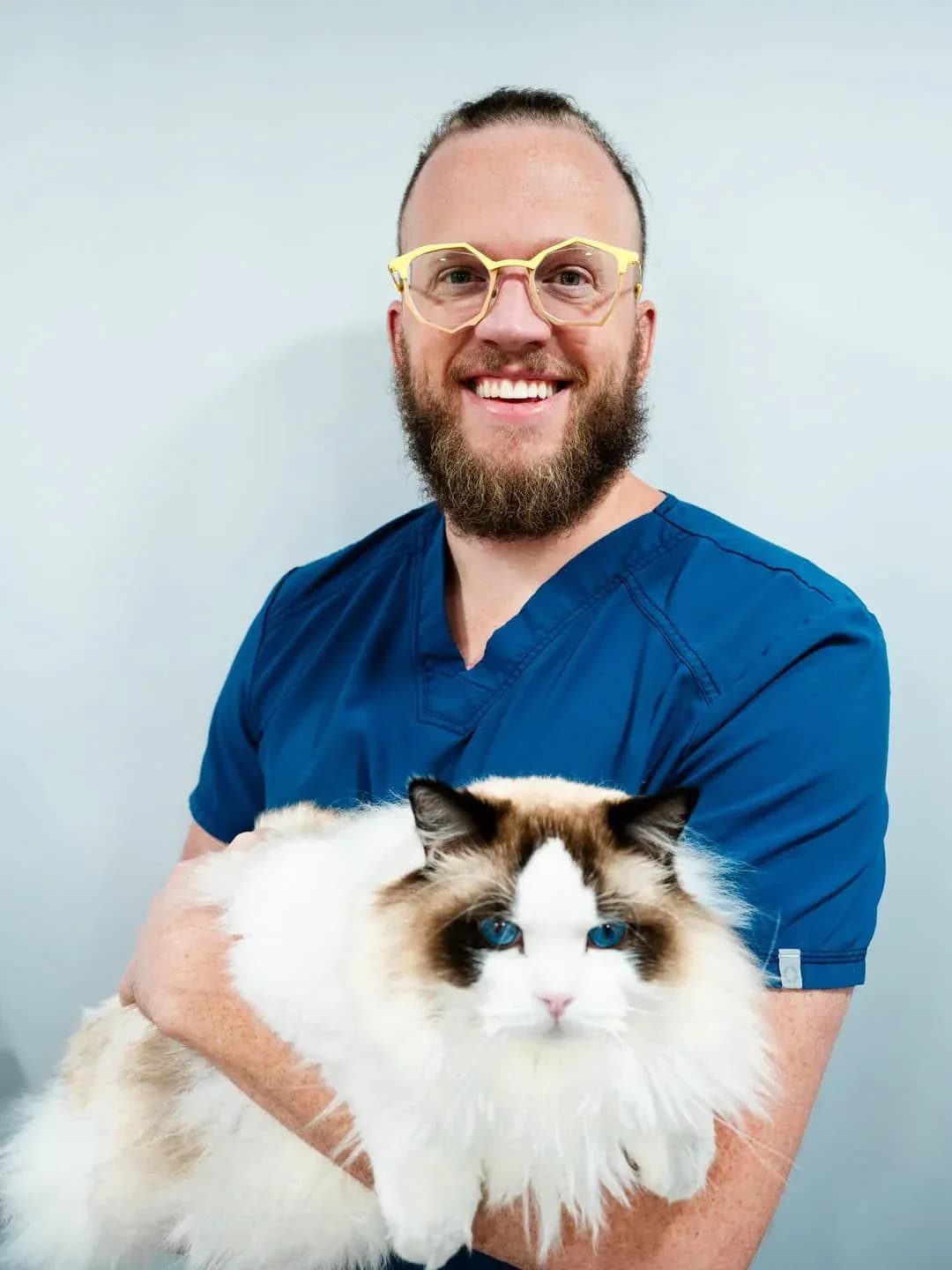
Ask A Vet articles are written by Dr Duncan Houston BVSc, a practising veterinarian, unless another author is named in the byline.