


Healthy Fall Treats for Dogs 🍂🐶
Autumn brings cooler weather, crunchy leaves, and comforting seasonal foods 🍁. As pet parents enjoy fall flavours, it’s only natural to want to share a little seasonal joy with your dog. But not all fall foods are safe — and some can be surprisingly dangerous.
As Dr Duncan Houston BVSc, I regularly see digestive upsets, pancreatitis, and toxin exposures increase during the fall months. The good news? With the right choices, fall can be a wonderful time to offer your dog healthy, enriching, and seasonal treats 🐾.
This guide will walk you through safe fall treats for dogs, how to prepare them properly, appropriate portion sizes, and common autumn foods you should always avoid ⚠️.
Why Seasonal Treats Matter 🍁
Treats aren’t just about calories — they’re about enrichment, bonding, and mental stimulation.
Seasonal treats can:
- 🐾 Add variety to your dog’s diet
- 🧠 Provide mental enrichment
- 🍽️ Encourage slower, mindful eating
- ❤️ Strengthen the human–animal bond
When chosen wisely, seasonal foods can be both nutritious and enjoyable.
Fall Treat #1: Apples 🍎
Apples are one of the safest and most popular fall fruits for dogs.
Benefits:
- 🍎 Low in fat
- 🌿 Good source of fibre
- 🦷 Help support dental health
How to serve:
- Remove seeds and core (seeds contain toxins)
- Slice into bite-sized pieces
- Serve raw or lightly frozen
Apples should be treats only — too much fruit can cause digestive upset.
Fall Treat #2: Pumpkin 🎃
Plain pumpkin is one of the most beneficial seasonal foods you can offer your dog.
Benefits:
- 🎃 Excellent fibre source
- 💩 Supports healthy digestion
- ⚖️ Helps regulate stool consistency
Important safety notes:
- Use plain pumpkin only — not pie filling
- No added sugar or spices
- Serve in small amounts
Pumpkin is particularly helpful for dogs with mild constipation or diarrhoea.
Fall Treat #3: Sweet Potatoes 🍠
Sweet potatoes are a nutrient-rich fall favourite for dogs.
Benefits:
- 🍠 High in fibre
- 🧬 Rich in vitamins A and C
- 🐾 Support gut health
How to prepare:
- Cook thoroughly (never raw)
- No seasoning, salt, or butter
- Cut into small, soft pieces
Dehydrated sweet potato chews are also a great long-lasting option.
Fall Treat #4: Carrots 🥕
Carrots are a crunchy, low-calorie option that many dogs love.
Benefits:
- 🥕 Low in calories
- 🦷 Help clean teeth
- ✨ Support eye health
Serving tips:
- Serve raw for crunch or lightly cooked
- Cut appropriately for your dog’s size
- Freeze for a longer-lasting treat
Carrots are ideal for dogs on weight-management plans.
Fall Treat #5: Pears 🍐
Pears are another dog-safe fall fruit when prepared correctly.
Benefits:
- 🍐 High in fibre
- 💧 Hydrating
- 🍽️ Naturally low fat
Safety tips:
- Remove seeds and core
- Serve fresh, not canned
- Avoid sugary syrups
Like all fruits, pears should be fed in moderation.
Fall Treat #6: Green Beans 🌿
Green beans are an excellent fall vegetable option.
Benefits:
- 🌿 Low-calorie
- 💪 Good fibre content
- ⚖️ Supports weight control
How to serve:
- Fresh or steamed
- No salt or seasoning
- Chopped into bite-sized pieces
How Many Treats Are Too Many? ⚖️
Treats should make up no more than 10% of your dog’s daily calorie intake.
Over-treating is one of the leading contributors to canine obesity, which increases the risk of arthritis, diabetes, and heart disease.
When offering fall treats:
- Reduce meal portions slightly if needed
- Choose low-calorie options
- Use treats as enrichment, not constant snacks
Fall Foods Dogs Should NEVER Eat ⚠️
Some fall favourites are dangerous or toxic to dogs.
Avoid these foods completely:
- 🚫 Grapes and raisins
- 🚫 Onions and garlic
- 🚫 Nutmeg and cinnamon in large amounts
- 🚫 Chocolate
- 🚫 Fatty leftovers and gravies
- 🚫 Alcohol
Many holiday foods are rich, fatty, and seasoned — all major triggers for pancreatitis.
Homemade vs Store-Bought Fall Treats 🥣
Homemade treats allow full control over ingredients, but store-bought options can be convenient.
What to look for in commercial treats:
- ✅ Simple ingredient lists
- ✅ Clear sourcing
- ✅ No artificial colours or flavours
Avoid treats with vague ingredient descriptions or excessive fillers.
When to Be Extra Careful 🩺
Some dogs need special consideration before adding seasonal treats.
Consult a vet if your dog:
- Has diabetes
- Has pancreatitis history
- Has food allergies
- Is on a prescription diet
Even healthy foods can be harmful in the wrong situation.
Final Thoughts from Dr Duncan Houston BVSc 💚
Fall can be a wonderful season to enrich your dog’s diet safely when choices are made thoughtfully.
Healthy fall treats should be simple, minimally processed, and offered in moderation. When in doubt, less is always more.
If you’re unsure which foods are safe for your dog or how treats fit into their overall diet, professional guidance makes all the difference.
Visit AskAVet.com and download the Ask A Vet app 📲 for personalised nutrition advice, feeding guidance, and ongoing veterinary support — anytime, anywhere.
🐾 Healthy treats today support a healthier dog for life.
This article is general veterinary education and does not diagnose or treat an individual animal. Always confirm medication names, doses and interactions with the veterinarian who knows your pet.
If your animal is struggling to breathe, collapsed, bleeding heavily, seizing, or has eaten something toxic, contact your vet or the nearest emergency clinic now.
Animal Poisons Helpline (AU) 1300 869 738 · Animal Poisons Helpline (NZ) 0800 869 738 · ASPCA Animal Poison Control (US) (888) 426-4435
More from Ask A Vet
For everyday pet care, one scan or tap of the smart pet ID tag opens your pet's free profile on any phone, no app needed; the GPS pet tracker logs live location and activity trends; and the Ask A Vet app keeps your pet's records and routines together.
 Hanging QR & NFC Pet ID TagView ID Tag
The ASK A VET™ Smart ID Tag is a QR scan or NFC tap on any phone, no app needed, with a free profile you can update anytime.
 Dog & Cat GPS Tracker for Their CollarView tracker
The ASK A VET™ Tracker logs live location and activity trends, so a change in routine never goes unnoticed.
 Talk to a Vet Online: The Ask A Vet AppExplore the app
Ask questions, speak with vets, and keep your pet's records and routines together with Ask A Vet.
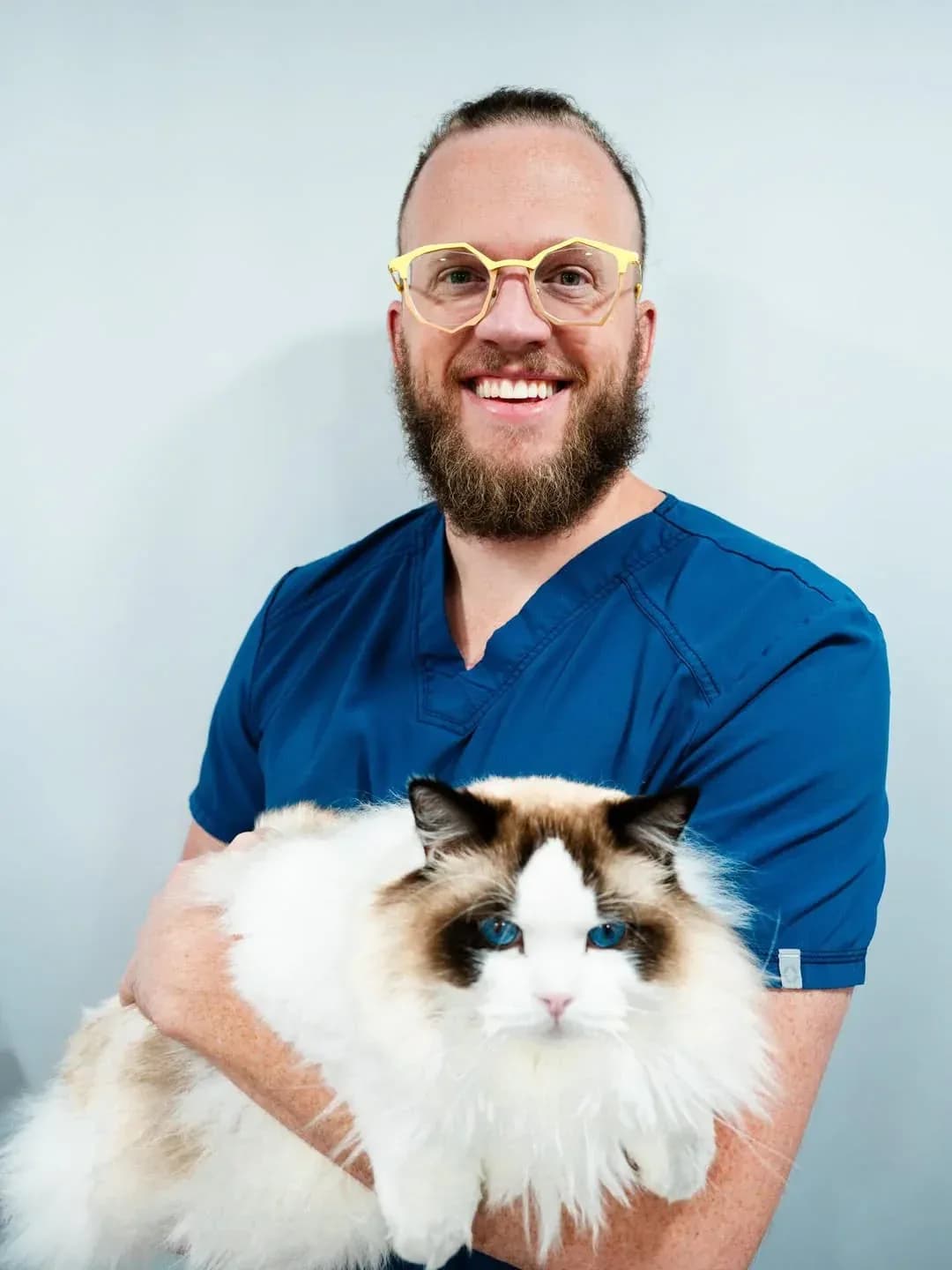
Ask A Vet articles are written by Dr Duncan Houston BVSc, a practising veterinarian, unless another author is named in the byline.