


Hypoallergenic Cat Breeds 2025 🐱 | Vet Guide by Dr Duncan Houston BVSc
Concerned about allergies but longing for a cat? While no cat is truly allergen-free, some breeds produce less of the Fel d1 protein or shed minimally—making them more allergy‑friendly. In this 2025 guide, you'll meet top hypoallergenic breeds, learn grooming and cleaning tips, and get home strategies to reduce allergens while enjoying feline companionship. 😊
1. 🧪 Allergies & the Fel d1 Protein
Cat allergies result from Fel d1, a protein found in saliva, skin oils, and urine—not fur itself. When cats groom, Fel d1-laced saliva dries and becomes airborne dust. Breeds that shed less or produce lower Fel d1 pose fewer allergy triggers :contentReference[oaicite:3]{index=3}.
2. ✅ What Makes a Breed Allergy‑Friendly
- Low-shedding coat: Less hair means fewer allergens spread.
- Less Fel d1 production: Some breeds naturally produce lower amounts.
- Coat type: Hairless or single-layer coats trap allergens close to skin.
3. 🐾 Top Hypoallergenic Cat Breeds
3.1 Siberian
Despite long fur, Siberians produce significantly less Fel d1, confirmed by research :contentReference[oaicite:4]{index=4}. Their dense triple coat needs weekly grooming.
3.2 Balinese (Long‑Haired Siamese)
Balinese, essentially long-haired Siamese, are known to produce fewer allergens despite their coat :contentReference[oaicite:5]{index=5}. Weekly brushing is enough to keep allergen load low.
3.3 Devon Rex & Cornish Rex
Curly-haired Rex breeds have only fine undercoats, minimal shedding, and shed less oil-bound dander :contentReference[oaicite:6]{index=6}.
3.4 Sphynx & Donskoy (Hairless)
Hairless breeds like Sphynx and Russian Donskoy have minimal hair and often trigger fewer symptoms; Sphynx require frequent bathing and skincare :contentReference[oaicite:7]{index=7}.
3.5 Russian Blue
These cats have short, dense coats that trap Fel d1 close to the skin, and may produce less of the protein :contentReference[oaicite:8]{index=8}.
3.6 Javanese & Oriental Shorthair
Javanese (long-silky) and Oriental Shorthairs (short) may shed less and produce lower Fel d1 :contentReference[oaicite:9]{index=9}.
3.7 Bengal, Burmese & Abyssinian
While short-haired, these breeds are often considered hypoallergenic due to low shedding and manageable Fel d1 levels :contentReference[oaicite:10]{index=10}.
3.8 LaPerm
Curly-coated LaPerms have a single-layered coat with fewer allergens, and are praised for lower reaction cases :contentReference[oaicite:11]{index=11}.
4. 📊 Breed Overview Table
| Breed | Coat Type | Fel d1 | Grooming | Personality |
|---|---|---|---|---|
| Siberian | Long triple | Low | Weekly brush | Playful & social |
| Balinese | Long single | Low | Weekly brush | Affectionate & vocal |
| Devon Rex | Short curly | Low | Monthly bathe | Active & intelligent |
| Cornish Rex | Short curly | Low | Monthly bathe | Affectionate & agile |
| Sphynx | Hairless | Very low | Weekly bathe | Social & extroverted |
| Donskoy | Hairless | Very low | Weekly bathe | Curious & loyal |
| Russian Blue | Short dense | Low | Weekly brush | Quiet & gentle |
| Javanese/Oriental | Single coats | Low | Weekly brush | Playful & talkative |
| Bengal/Burmese/Abyssinian | Short sleek | Moderate–Low | Weekly brush | Active & social |
| LaPerm | Curly single | Low | Weekly brush | Friendly & calm |
5. 🧼 Grooming & Home Allergy Tips
- Brush or wipe cats weekly (or bathe weekly for Sphynx).
- Use HEPA air purifiers and vacuum frequently.
- Create cat-free zones like bedrooms.
- Wash bedding, linens weekly.
- Clean litter boxes daily.
- Consult allergists for symptom relief.
6. 🐱 Choosing the Right Cat
- Meet individual cats to test reactions—breed variance is high :contentReference[oaicite:12]{index=12}.
- Consider your lifestyle: energy levels, grooming capability, lifespan.
- Plan vet checks and grooming schedules.
7. 🧭 Final Thoughts
While no cat is 100% hypoallergenic, selecting breeds with low shedding or reduced Fel d1—like Siberians, Rexes, or hairless cats—can help many allergy sufferers enjoy feline companionship. Consistent grooming, air purification, and testing individual cats before adoption are key to success. Let’s help you find your sneeze‑free soulmate! 🐾❤️
— Dr Duncan Houston BVSc
👉 For breed selection help, grooming routine templates, or home allergen-audit tools, visit AskAVet.com or download the Ask A Vet app. Breathe easier with a happy, healthy cat by your side! 📱✨
This article is general veterinary education and does not diagnose or treat an individual animal. Always confirm medication names, doses and interactions with the veterinarian who knows your pet.
If your animal is struggling to breathe, collapsed, bleeding heavily, seizing, or has eaten something toxic, contact your vet or the nearest emergency clinic now.
Animal Poisons Helpline (AU) 1300 869 738 · Animal Poisons Helpline (NZ) 0800 869 738 · ASPCA Animal Poison Control (US) (888) 426-4435
More from Ask A Vet
For everyday pet care, one scan or tap of the smart pet ID tag opens your pet's free profile on any phone, no app needed; the GPS pet tracker logs live location and activity trends; and the Ask A Vet app keeps your pet's records and routines together.
 QR Code Dog & Cat ID Tag with NFC, HangingView ID Tag
The ASK A VET™ Smart ID Tag is a QR scan or NFC tap on any phone, no app needed, with a free profile you can update anytime.
 Dog & Cat GPS Tracker for Their CollarView tracker
The ASK A VET™ Tracker logs live location and activity trends, so a change in routine never goes unnoticed.
 Talk to a Vet Online: The Ask A Vet AppExplore the app
Ask questions, speak with vets, and keep your pet's records and routines together with Ask A Vet.
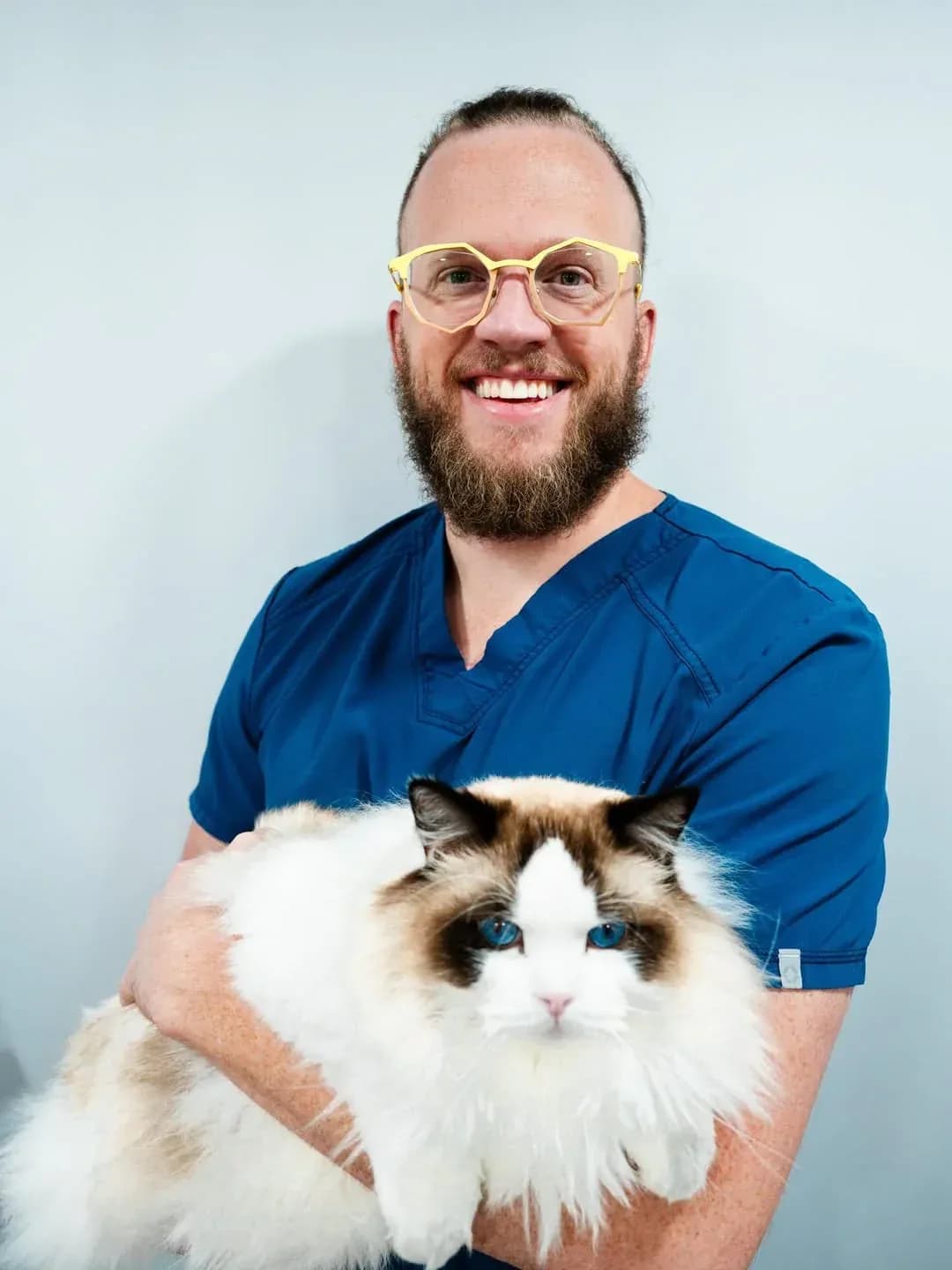
Ask A Vet articles are written by Dr Duncan Houston BVSc, a practising veterinarian, unless another author is named in the byline.