


By Dr Duncan Houston
A cat eating wet food may rarely visit the water bowl and still obtain plenty of fluid. Another cat may drink frequently but lose too much water because of illness. Bowl visits alone cannot tell you whether a cat is hydrated.
Focus on the whole pattern: food intake, drinking, urine output, weight and behaviour. Sudden changes are more informative than comparing your cat with someone else’s.
Quick Answer
Offer fresh water in several quiet, accessible places and consider complete wet food or a little added water in accepted meals. Individual cats have different bowl, location and fountain preferences. Reduced intake, vomiting, diarrhoea or increased water loss from disease can cause dehydration, so new changes need attention. Straining with little or no urine is an emergency and cannot be treated by simply encouraging drinking.
How much water does a cat need?
Cornell’s hydration guidance gives an approximate total requirement equivalent to about 50 mL per kilogram of lean body weight daily. This includes water in food, and actual needs vary with diet, environment, activity and health. It is a rough discussion point, not a volume to force into your cat.
Wet food often contains around 70% to 80% water, so a wet-fed cat may drink less visibly. Dry food contributes much less water, making drinking more important. Eating dry food does not by itself diagnose dehydration or prove that kidney disease will develop.
What can you change at home?
- Provide choice. Put several bowls in quiet locations where your cat spends time. Keep them away from litter trays and places where another animal can block access.
- Keep water fresh. Wash bowls regularly and replace water. Try glass, ceramic or stainless steel if a current bowl is poorly accepted.
- Test preferences. Some cats like broad shallow bowls or moving water. Offer a fountain alongside a bowl rather than removing the familiar option.
- Add food moisture gradually. Offer a suitable complete wet diet or a small amount of water mixed into familiar food. Preserve calorie intake if your cat dislikes the change.
- Make access comfortable. Provide nearby water and stable footing for older or sore cats, without requiring stairs or jumps.
A fountain needs regular cleaning, including its pump and filters. Movement does not make dirty water safe. If adding broth or a flavouring, check with your vet: onion, garlic, excess salt and ingredients that conflict with a prescribed diet are unsuitable.
Does every cat need wet food?
Wet food is a useful way to increase dietary water, particularly when recommended for a medical condition. However, a food must still be complete and suitable for the cat’s needs. Cornell’s feeding guidance discusses nutritional adequacy across food types.
Do not starve a cat into accepting a new texture. Introduce small amounts gradually and ask for help if intake falls. Cow’s milk is not a hydration treatment and can cause digestive upset in cats that do not tolerate lactose.
What signs suggest a problem?
| Observation | What it may mean | Action |
|---|---|---|
| Little visible drinking but normal appetite, activity and urine on wet food | Water may be coming from meals | Maintain access and monitor the usual pattern. |
| New excessive drinking and larger urine clumps | Possible kidney, thyroid or diabetic disease, among other causes | Arrange a prompt veterinary assessment. |
| Poor appetite, tacky gums, weakness, vomiting or diarrhoea | Possible dehydration or underlying illness | Contact your vet promptly, the same day if unwell. |
| Repeated straining with little or no urine | Possible urinary obstruction | Emergency care now. |
A skin-lift test is imperfect, especially in older cats whose skin may be less elastic. Gum feel is also only one clue. Neither should reassure you that a sick cat is safe to leave at home.
Why might hydration change?
Vomiting and diarrhoea cause fluid losses. Kidney disease, diabetes and hyperthyroidism can increase water loss even when a cat is drinking more. Dental pain, nausea, fever, weakness or competition around bowls can reduce intake. Some medicines, including diuretics, also affect fluid balance.
Constipation and concentrated urine may lead a vet to review hydration, but they are not proof that a cat merely needs a different bowl. The underlying cause determines the treatment.
When is this an emergency?
Seek urgent care for collapse, severe weakness, repeated vomiting with inability to retain water, breathing difficulty or a cat that appears seriously unwell.
Repeated straining with little or no urine needs immediate assessment, particularly in males. The iCatCare urinary disease guidelines explain why obstruction is life-threatening. Drinking water cannot clear a blocked urethra. Do not squeeze the bladder or wait for the cat to become more distressed.
What should you record for the vet?
- When drinking or urine output changed.
- The type and amount of food actually eaten.
- Approximate bowl use, allowing for spills and other animals.
- Vomiting, diarrhoea, constipation, appetite and weight changes.
- Current medicines and any diagnosed disease.
Never restrict water to make measurement easier. If dehydration is suspected, the vet may assess circulation, kidney function, electrolytes and urine, then prescribe appropriate fluids and treatment. Do not force water by syringe or give unprescribed fluids; aspiration and fluid overload are possible.
Common mistakes
- Judging hydration only by how often the cat visits a bowl.
- Assuming increased drinking proves the cat is well hydrated.
- Replacing food abruptly and allowing calorie intake to fall.
- Ignoring pain or conflict that prevents access to water.
- Treating urinary straining as a simple drinking problem.
Frequently asked questions
Will a fountain make my cat drink more?
It helps some cats, but preference varies. Keep a clean bowl available too.
Can I add water to dry food?
Yes, if your cat accepts it and the diet instructions allow it. Prepare small fresh portions and do not leave moistened food sitting out for long periods.
Why is my older cat suddenly drinking more?
Several diseases can cause this. Arrange an examination rather than assume age alone explains the change.
Can I treat dehydration at home?
Mild intake preferences can be addressed at home, but suspected clinical dehydration needs veterinary assessment and an individual treatment plan.
Make water easy to access and food changes gentle. Knowing your cat’s normal routine helps you notice when a hydration concern is actually a sign of disease.
For help organising changes in drinking, meals and litter tray use, visit ASK A VET™. Severe illness or little to no urine needs immediate veterinary care.
This article is general veterinary education and does not diagnose or treat an individual animal. Always confirm medication names, doses and interactions with the veterinarian who knows your pet.
If your animal is struggling to breathe, collapsed, bleeding heavily, seizing, or has eaten something toxic, contact your vet or the nearest emergency clinic now.
Animal Poisons Helpline (AU) 1300 869 738 · Animal Poisons Helpline (NZ) 0800 869 738 · ASPCA Animal Poison Control (US) (888) 426-4435
More from Ask A Vet
For everyday pet care, one scan or tap of the smart pet ID tag opens your pet's free profile on any phone, no app needed; the GPS pet tracker logs live location and activity trends; and the Ask A Vet app keeps your pet's records and routines together.
 Hanging QR & NFC Pet ID TagView ID Tag
The ASK A VET™ Smart ID Tag is a QR scan or NFC tap on any phone, no app needed, with a free profile you can update anytime.
 Dog & Cat GPS Tracker for Their CollarView tracker
The ASK A VET™ Tracker logs live location and activity trends, so a change in routine never goes unnoticed.
 Talk to a Vet Online: The Ask A Vet AppExplore the app
Ask questions, speak with vets, and keep your pet's records and routines together with Ask A Vet.
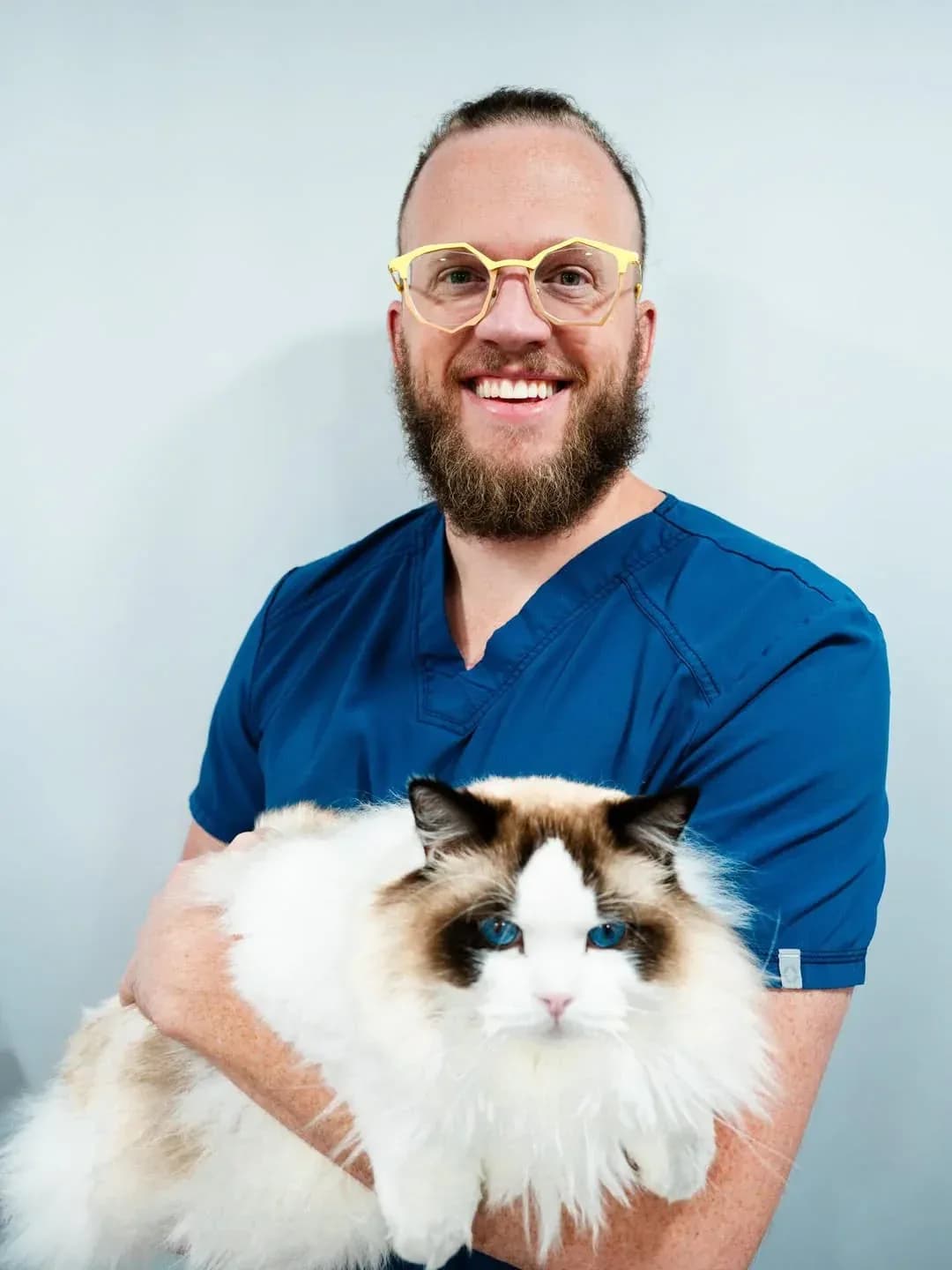
Ask A Vet articles are written by Dr Duncan Houston BVSc, a practising veterinarian, unless another author is named in the byline.