


Lick Mat Cat Treat Recipes and How to Transform Your Cat’s Mealtime 😺👅
Many cats struggle with boredom, anxiety, fast eating, or inconsistent appetite — and these challenges often show up at mealtime 🍽️. As Dr Duncan Houston BVSc, I frequently recommend enrichment tools that support both mental wellbeing and healthy feeding behaviours.
Lick mats are one of the most underutilised — yet incredibly effective — tools for cats. When used correctly, they encourage slow, mindful eating, reduce stress, and turn meals into a calming experience rather than a rushed routine 🐾.
This guide explains why lick mats work for cats, the surprising behavioural and health benefits, and shares safe, vet-approved lick mat treat recipes designed specifically for feline needs 😺.
What Is a Lick Mat for Cats? 🐾
A lick mat is a textured mat designed to hold soft foods that cats lick slowly from grooves and ridges.
Unlike bowls, lick mats:
- 👅 Encourage slower eating
- 🧠 Provide mental stimulation
- 😌 Promote calming behaviours
- 🍽️ Extend mealtime duration
For cats, licking mimics natural feeding behaviours and can be deeply soothing.
Why Licking Is So Calming for Cats 🧠
Licking activates natural calming pathways in a cat’s brain.
This repetitive motion helps reduce stress hormones and encourages focus, making lick mats especially helpful for cats prone to anxiety, overstimulation, or boredom.
Licking can help cats:
- 😌 Self-soothe
- 🧠 Stay mentally engaged
- 🍽️ Eat more slowly
- 🐾 Feel secure during feeding
This is why many cats groom themselves during stressful moments — licking is instinctively comforting.
The Benefits of Lick Mats for Cats 😺✨
When introduced properly, lick mats can transform a cat’s relationship with food.
Key benefits include:
- 😌 Reduced anxiety and stress
- 🍽️ Slower, healthier eating
- 🧠 Mental enrichment for indoor cats
- ⚖️ Improved portion control
- 🛑 Reduced food-related frustration
For many cats, lick mats create a more predictable and positive feeding routine.
Are Lick Mats Safe for Cats? ⚠️
Lick mats are safe for most cats when used correctly, but supervision is important.
Extra caution is needed if your cat:
- 🚫 Chews or destroys toys
- 🚫 Guards food aggressively
- 🚫 Has food allergies or digestive disease
- 🚫 Is overweight or obese
Always introduce lick mats gradually and monitor your cat’s response.
What Makes a Good Lick Mat Treat for Cats? 🍽️
Cat lick mat treats should be:
- ✅ High in protein
- ✅ Low in carbohydrates
- ✅ Smooth and spreadable
- ✅ Free from salt, sugar, and seasonings
Cats have very different nutritional needs from dogs — many dog-safe foods are not appropriate for cats.
5 Vet-Approved Lick Mat Cat Treat Recipes 😺
These recipes are simple, feline-appropriate, and designed to support calm, healthy feeding when used in moderation.
🐟 Recipe #1: Tuna & Water Smooth Spread
Ingredients:
- 🐟 Tuna in water (no salt)
- 💧 A small amount of warm water
Why it works: Highly palatable and encourages hydration.
Tip: Use very small portions — tuna is a treat, not a staple.
🍗 Recipe #2: Chicken & Broth Comfort Blend
Ingredients:
- 🍗 Plain cooked chicken (no seasoning)
- 🥣 Low-sodium, cat-safe broth
Why it works: High protein and comforting for anxious or picky cats.
Tip: Blend until completely smooth.
🐟 Recipe #3: Sardine Omega Boost
Ingredients:
- 🐟 Sardines in water (boneless)
- 💧 A splash of water
Why it works: Supports skin, coat, and joint health.
Tip: Use sparingly due to strong flavour.
🥩 Recipe #4: Wet Cat Food Enrichment Spread
Ingredients:
- 🥩 High-quality wet cat food
- 💧 Warm water (if needed)
Why it works: Maintains nutritional balance while adding enrichment.
Tip: Deduct from your cat’s regular meal portion.
🍦 Recipe #5: Goat Milk & Meat Purée
Ingredients:
- 🥛 Cat-safe goat milk (small amount)
- 🍗 Blended cooked meat
Why it works: Encourages licking and hydration.
Tip: Avoid if your cat is sensitive to dairy.
How Much Should I Use on a Lick Mat? ⚖️
Lick mat treats should make up only a small portion of your cat’s daily intake.
Vet guidelines:
- 🥄 Spread very thinly
- 🍽️ Reduce meal portions if used regularly
- 📅 Avoid multiple lick mats per day
Overfeeding contributes to obesity and joint disease in cats.
Common Lick Mat Mistakes for Cats ⚠️
- 🚫 Using dog-safe but cat-inappropriate foods
- 🚫 Leaving lick mats unsupervised
- 🚫 Offering high-fat foods frequently
- 🚫 Using lick mats instead of interaction
Lick mats should enhance — not replace — play and bonding.
When Lick Mats Are Especially Helpful 😺
Lick mats are particularly useful for cats who:
- 😟 Experience stress or anxiety
- 🍽️ Eat too quickly
- 🏠 Are indoor-only and bored
- 🧠 Need additional enrichment
They provide a predictable, calming ritual many cats thrive on.
When to Seek Veterinary Guidance 🩺
You should seek advice if your cat:
- Has digestive disease
- Has food allergies
- Is overweight or diabetic
- Shows worsening anxiety or appetite changes
Individual guidance ensures enrichment remains safe and beneficial.
Final Thoughts from Dr Duncan Houston BVSc 💚
Lick mats can be a powerful tool for transforming your cat’s mealtime into a calmer, more enriching experience.
When paired with appropriate foods and thoughtful portions, they support emotional wellbeing, slow eating, and healthier feeding habits.
If you’re unsure how to introduce lick mats safely or which recipes are right for your cat, professional guidance can help tailor the approach.
Visit AskAVet.com and download the Ask A Vet app 📲 for personalised feline nutrition advice, enrichment guidance, and expert veterinary support — anytime, anywhere.
😺 Calm cats are healthier cats.
This article is general veterinary education and does not diagnose or treat an individual animal. Always confirm medication names, doses and interactions with the veterinarian who knows your pet.
If your animal is struggling to breathe, collapsed, bleeding heavily, seizing, or has eaten something toxic, contact your vet or the nearest emergency clinic now.
Animal Poisons Helpline (AU) 1300 869 738 · Animal Poisons Helpline (NZ) 0800 869 738 · ASPCA Animal Poison Control (US) (888) 426-4435
More from Ask A Vet
For everyday pet care, one scan or tap of the smart pet ID tag opens your pet's free profile on any phone, no app needed; the GPS pet tracker logs live location and activity trends; and the Ask A Vet app keeps your pet's records and routines together.
 Hanging QR & NFC Pet ID TagView ID Tag
The ASK A VET™ Smart ID Tag is a QR scan or NFC tap on any phone, no app needed, with a free profile you can update anytime.
 Dog & Cat GPS Tracker for Their CollarView tracker
The ASK A VET™ Tracker logs live location and activity trends, so a change in routine never goes unnoticed.
 Talk to a Vet Online: The Ask A Vet AppExplore the app
Ask questions, speak with vets, and keep your pet's records and routines together with Ask A Vet.
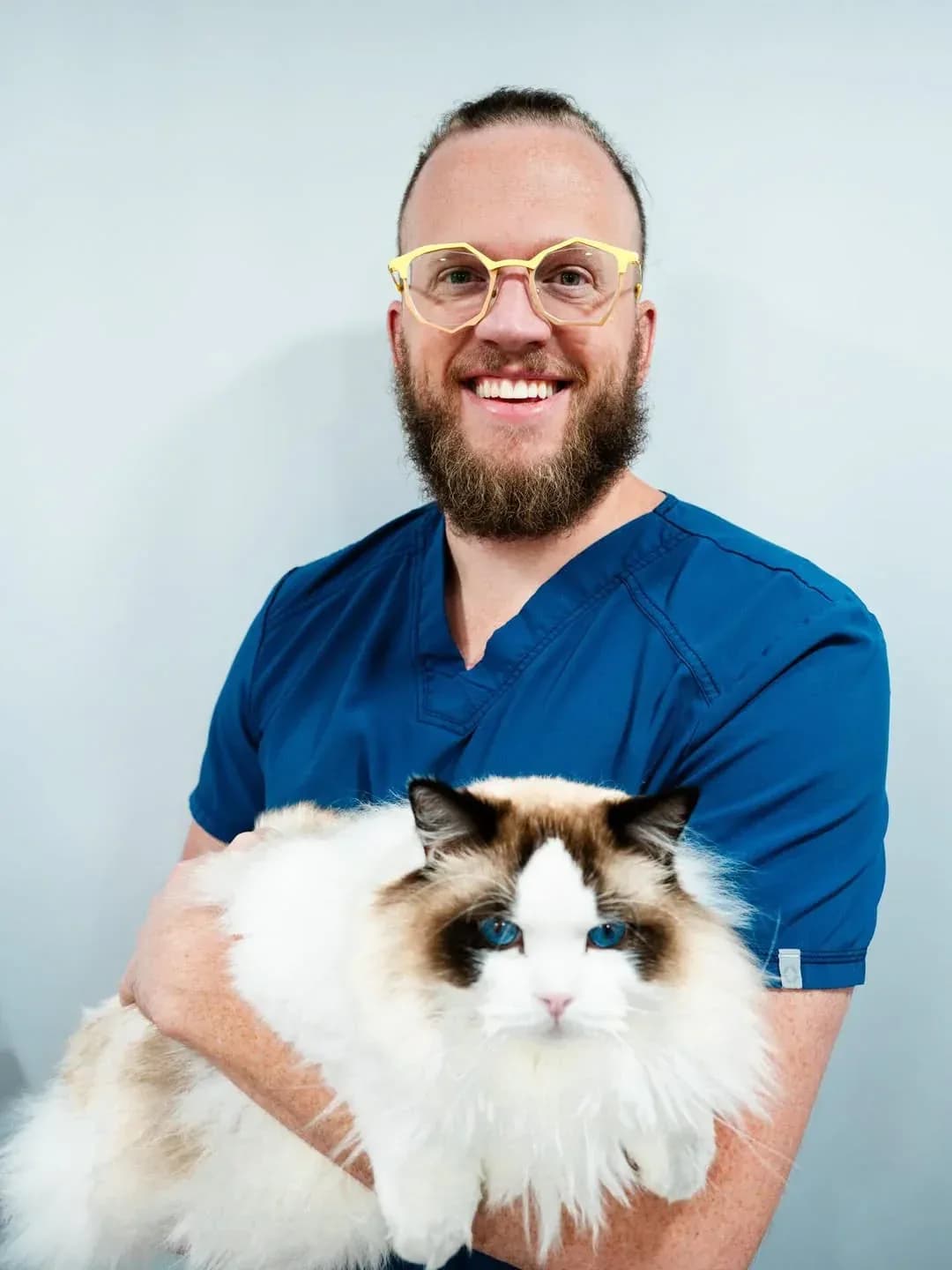
Ask A Vet articles are written by Dr Duncan Houston BVSc, a practising veterinarian, unless another author is named in the byline.