




By Dr Duncan Houston
When your dog is pacing, trembling or unable to settle, it is understandable to look for something simple to add to the bowl. A food change can feel easier than untangling the cause of distress.
Nutrition deserves attention, but a promise that one ingredient will calm your dog can delay the help they need. Start by identifying the situations that trigger the behaviour and checking for discomfort or illness.
Quick Answer
A complete, balanced diet and predictable, comfortable mealtimes support general health, but no ordinary food reliably cures canine anxiety. Evidence for calming diets and supplements varies by ingredient, formulation and the problem being treated. Use any nutritional intervention alongside a veterinary assessment, environmental changes and reward-based behaviour work. Severe panic, self-injury or sudden behavioural change needs prompt professional help rather than repeated dietary experiments.
What nutrition can realistically contribute
The brain needs adequate energy and essential nutrients, and digestive discomfort can make everyday life harder. Correcting an inadequate diet or treating gastrointestinal disease is worthwhile. That does not mean that every anxious dog has a nutrient deficiency or a disturbed gut microbiome.
Choose food appropriate for your dog's life stage and health. The WSAVA diet-selection checklist focuses on nutritional adequacy and formulation quality. “Natural”, “grain-free” and “minimally processed” do not establish a food's effectiveness for anxiety.
Turkey, tryptophan and the calming-food claim
Tryptophan is an essential amino acid involved in serotonin production. That biological role does not prove that adding turkey or eggs will meaningfully reduce fear. The effect of a studied diet also cannot be assumed for a small serving of one ingredient.
A Veterinary Evidence review of supplementary tryptophan in anxious dogs found differing results in the available studies. Treat it as a possible component of a professionally chosen plan, not a reliable standalone treatment.
Plain cooked foods can be used as modest, tolerated treats, but adding meat, rice and vegetables does not create a complete homemade diet. Avoid diluting the main food with large quantities of “calming” toppings.
What about probiotics, oils and herbal supplements?
The relationship between the gut and brain is an active area of research. Benefits demonstrated for one probiotic strain or product cannot be transferred to every powder, fermented food or supplement blend. Improving a dog's stool is also not the same as treating their anxiety.
Omega-3 fatty acids, L-theanine and other ingredients may be considered in individual plans, but suitability and evidence differ. There is no basis for routinely adding magnesium, zinc or B vitamins to every anxious dog's complete diet. Excess supplementation can cause harm.
Ask your vet about the exact formulation, possible interactions, quality control and how success will be measured. Do not assume CBD, valerian, chamomile or a human supplement is safe because it is labelled natural. Cornell's advice on anxious behaviour recommends assessing the underlying problem rather than choosing an internet remedy first.
How much help does your dog need?
| What you observe | What it suggests | Action |
|---|---|---|
| Mild uneasiness in a specific situation, with easy recovery | The situation may be manageable with support | Reduce pressure, reward comfortable behaviour and monitor |
| Repeated pacing, trembling, hiding, poor sleep or inability to eat around triggers | Distress is affecting daily life | Arrange veterinary and behaviour assessment |
| Frantic escape, injury, marked aggression or sudden severe change | Significant welfare or safety concern | Prevent exposure safely and seek prompt professional help |
Other explanations to rule out
Panting, restlessness and food refusal can reflect pain, nausea or other disease. An older dog newly unsettled at night needs assessment for medical and cognitive changes. A dog guarding food or barking at people may need a different behaviour plan from a dog panicking when left alone.
Record when the signs occur, what happens immediately beforehand, how long recovery takes and whether appetite is normal in quiet situations. A short video can help your vet distinguish these patterns.
Make feeding feel safe
- Feed in a quiet place where the dog will not be crowded or interrupted.
- Separate animals for meals when competition is possible, and prevent children approaching a eating dog.
- Use a predictable routine that fits medical needs rather than frequently skipping or delaying meals.
- Use part of the normal food allowance for easy scent games or suitable food toys when the dog enjoys them.
- If food is refused around a trigger, create more distance or stop the exercise. Do not keep pushing the dog closer with increasingly tempting treats.
Cornell's guidance on reducing visit-related fear notes that refusal of treats can signal excessive stress. Eating is useful feedback, not a guarantee that a dog feels comfortable.
When is urgent care needed?
Seek urgent care after self-injury, suspected supplement overdose, collapse, breathing difficulty or repeated vomiting. Sudden severe agitation, disorientation or weakness should not be treated as simple anxiety. Keep people and other animals safe without cornering or physically confronting a frightened dog.
Common mistakes
- Blaming preservatives or processing without evidence.
- Adding several supplements at once, making benefits and adverse effects impossible to separate.
- Delaying effective behaviour treatment while searching for the perfect diet.
- Using food to force a dog into situations they cannot handle.
- Judging success only by less movement rather than relaxed behaviour and recovery.
A broader plan for calmer days
Provide comfortable rest, suitable physical activity, sniffing and mental enrichment. Introduce new experiences at a tolerable intensity and give the dog choice and a way to retreat. Keep a simple record of triggers, meals and behaviour; review an agreed intervention with your vet rather than changing the plan daily.
Medication can be appropriate when distress is substantial. It works best within a plan that addresses the dog's environment and learning, rather than being postponed until every food supplement has failed.
Frequently asked questions
Is turkey calming for dogs?
Turkey contains tryptophan, but feeding it is not a proven treatment for anxiety. It can be a small treat when safe and tolerated.
Can probiotics cure separation anxiety?
No reliable evidence supports that claim. Any product considered should complement a separation-distress treatment plan.
Should I switch to homemade food?
Not solely to treat anxiety. If you prefer home cooking, use a complete recipe formulated for your dog by a veterinary nutrition professional.
How can I tell whether a diet change helps?
Agree on observable goals, such as recovery after a trigger, sleep or comfortable time alone. Keep other planned interventions documented and review the pattern with your vet.
Good nutrition supports a dog; a tailored behaviour plan addresses what makes them afraid. Use the bowl as one part of care, with realistic expectations.
ASK A VET™ can help you organise diet and behaviour observations for a discussion about your dog's anxiety.
This article is general veterinary education and does not diagnose or treat an individual animal. Always confirm medication names, doses and interactions with the veterinarian who knows your pet.
If your animal is struggling to breathe, collapsed, bleeding heavily, seizing, or has eaten something toxic, contact your vet or the nearest emergency clinic now.
Animal Poisons Helpline (AU) 1300 869 738 · Animal Poisons Helpline (NZ) 0800 869 738 · ASPCA Animal Poison Control (US) (888) 426-4435
More from Ask A Vet
For everyday pet care, one scan or tap of the smart pet ID tag opens your pet's free profile on any phone, no app needed; the GPS pet tracker logs live location and activity trends; and the Ask A Vet app keeps your pet's records and routines together.
 QR & NFC Pet ID Tag for Dogs and CatsView ID Tag
The ASK A VET™ Smart ID Tag is a QR scan or NFC tap on any phone, no app needed, with a free profile you can update anytime.
 GPS Pet Tracker for Dogs and CatsView tracker
The ASK A VET™ Tracker logs live location and activity trends, so a change in routine never goes unnoticed.
 Talk to a Vet Online: The Ask A Vet AppExplore the app
Ask questions, speak with vets, and keep your pet's records and routines together with Ask A Vet.
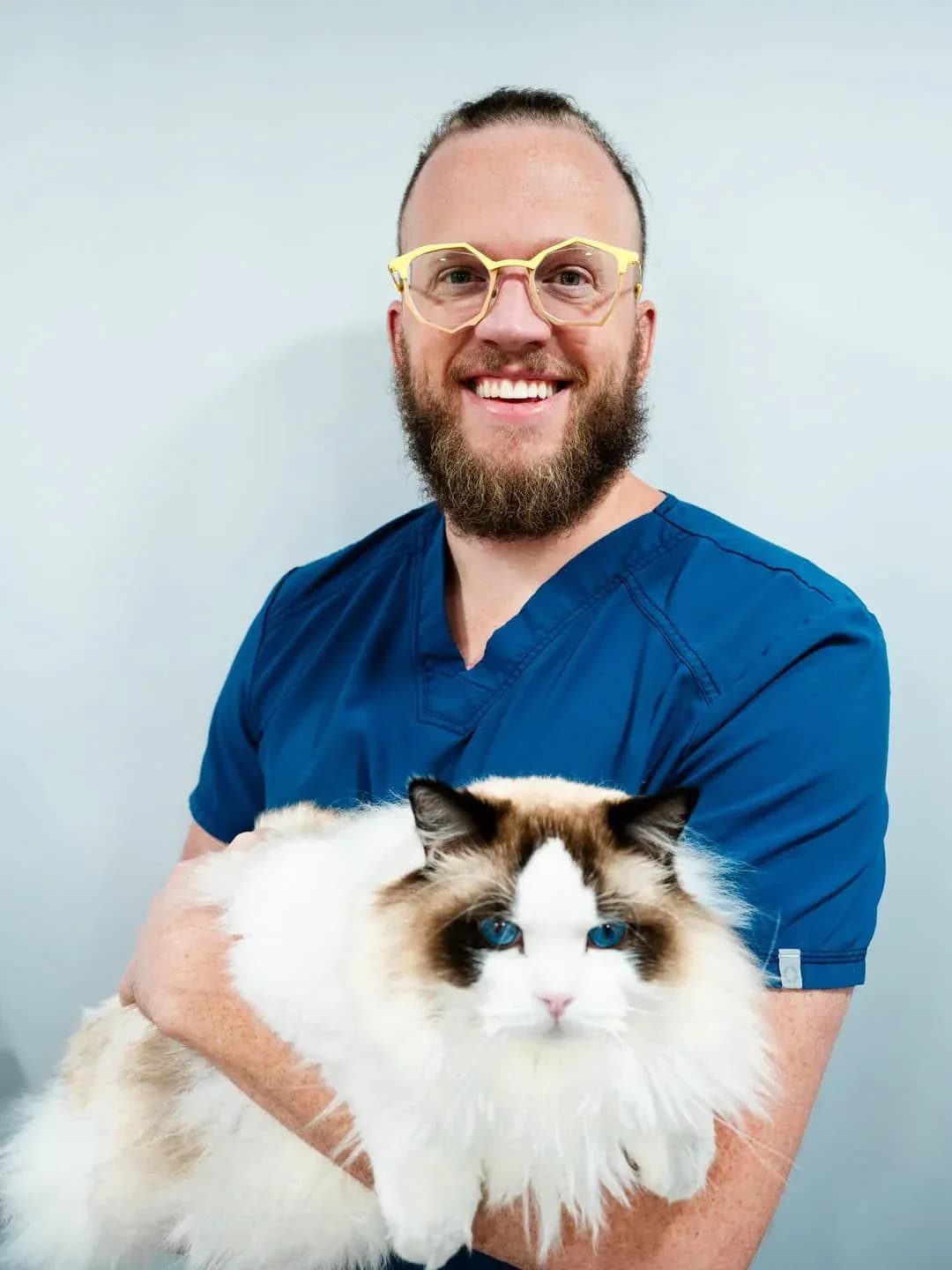
Ask A Vet articles are written by Dr Duncan Houston BVSc, a practising veterinarian, unless another author is named in the byline.