


New Puppy Health Essentials: What Every Owner Needs to Know 🐶✨
Bringing home a new puppy is one of life’s great joys 🐶💞. The tiny paws, the playful energy, the clumsy zoomies — it’s an exciting time. But alongside the cuddles and chaos comes responsibility. The early weeks and months of a puppy’s life lay the foundation for lifelong health.
Many common adult health problems actually begin in puppyhood — from digestive sensitivity and joint strain to behavioural anxiety and obesity. The good news? With the right foundations in place early, you can dramatically improve your puppy’s long-term wellbeing 🌱✨.
In this comprehensive guide, I’ll walk you through the 8 essential pillars of puppy health — practical, science-backed steps to help your puppy grow into a confident, resilient, and thriving adult dog 🐾💚.
1. A Veterinary Health Check Early On 🩺🐶
Your puppy should have a full veterinary examination shortly after coming home. Even if they were checked before adoption, an early baseline assessment is important.
This visit typically includes:
- Weight and growth assessment ⚖️
- Heart and lung check ❤️
- Dental development evaluation 🦷
- Parasite screening 🦠
- Vaccination planning 💉
Early detection of congenital issues or parasites ensures prompt treatment and peace of mind.
2. Balanced, High-Quality Nutrition 🍲🐾
Puppies grow rapidly, and proper nutrition directly influences bone development, immune function, brain growth, and gut health.
Look for:
- Puppy-specific formulations 🐶
- Clearly identified protein sources 🥩
- Appropriate calcium-to-phosphorus balance 🦴
- Digestible ingredients 🌿
Large-breed puppies require particular attention to controlled growth to reduce joint strain later in life.
Consistency is critical — frequent diet changes can upset the developing gut microbiome.
3. Gut Health Support 🦠🐶
A puppy’s gut microbiome is still developing. Stress, rehoming, and diet transitions can disrupt digestive balance.
Supporting gut health early may help:
- Reduce diarrhea episodes 💩
- Strengthen immunity 🛡️
- Improve nutrient absorption 🍽️
- Lower long-term allergy risk 🌸
Gradual food transitions and appropriate probiotic support during stressful periods can be beneficial.
4. Safe Socialisation and Mental Development 🧠🐾
The early socialisation window (generally up to 16 weeks) is crucial for behavioural development.
Positive exposure to:
- New people 👨👩👧
- Different surfaces 🏡
- Sounds and environments 🔊
- Gentle handling 🐾
Builds confidence and reduces anxiety later in life.
Socialisation must always be safe and controlled — avoid overwhelming or frightening experiences.
5. Vaccination and Parasite Prevention 🛡️💉
Puppies are vulnerable to infectious disease before full immunity develops.
A structured vaccination schedule protects against serious illnesses, while regular parasite prevention reduces risk from:
- Fleas 🦟
- Ticks 🌿
- Intestinal worms 🦠
Preventive care is far safer — and often less costly — than treatment after infection.
6. Joint and Growth Protection 🦴🐕
Rapid growth can stress developing joints, especially in medium and large breeds.
To support healthy growth:
- Avoid excessive jumping 🪜
- Limit repetitive high-impact exercise 🏃♂️
- Maintain lean body condition ⚖️
- Provide non-slip flooring 🧼
Early joint protection reduces risk of arthritis and mobility issues later.
7. Dental Care From the Start 🦷🐾
Dental disease begins early if ignored. Getting puppies comfortable with mouth handling sets the stage for lifelong oral care.
Introduce:
- Gentle brushing routines 🪥
- Appropriate chew toys 🦴
- Safe dental treats 🐶
Positive reinforcement ensures brushing becomes routine rather than stressful.
8. Emotional Security and Routine 💞🐶
Puppies thrive on predictability. Consistent feeding times, sleep routines, and training sessions build security.
Signs of emotional wellbeing include:
- Playful curiosity 🧩
- Relaxed body language 😌
- Healthy sleep patterns 💤
Separation training should begin gently to prevent long-term anxiety issues.
Common Puppy Health Mistakes to Avoid 🚫🐾
- Overfeeding treats 🍪
- Too much intense exercise 🏃♂️
- Skipping preventive care 🛡️
- Frequent abrupt diet changes 🔄
Small early mistakes can have long-term effects — but simple, consistent habits prevent most problems.
Monitoring Growth and Development 📈🐶
Track weight monthly during the first year. Rapid spikes or excessive thinness should be addressed early.
Healthy growth is steady — not rushed.
Building Lifelong Resilience 🌱🐾
The choices you make in the first year influence your dog’s health for the next decade or more. Nutrition, gut health, emotional balance, and joint protection all work together.
Early investment in wellness reduces chronic disease risk later.
When to Seek Advice 🩺🐶
Contact a professional if your puppy shows:
- Persistent diarrhea 💩
- Lethargy 😴
- Poor appetite 🍽️
- Persistent coughing 🤧
Trust your instincts — early guidance is always better than delayed intervention.
A Final Word for New Puppy Parents 💕🐾
Your puppy doesn’t need perfection — they need consistency, patience, and informed care 🐶✨.
By focusing on these eight essential foundations, you’re giving your dog the best possible start in life.
If you ever feel unsure about nutrition, growth, gut health, training, or preventive care, AskAVet.com and the Ask A Vet app provide accessible, personalised support whenever you need reassurance 📱🐾.
For trusted guidance on puppy wellness and lifelong health, visit AskAVet.com and download the Ask A Vet app today. 📲🐶🐱
— Dr Duncan Houston BVSc 🩺💚
This article is general veterinary education and does not diagnose or treat an individual animal. Always confirm medication names, doses and interactions with the veterinarian who knows your pet.
If your animal is struggling to breathe, collapsed, bleeding heavily, seizing, or has eaten something toxic, contact your vet or the nearest emergency clinic now.
Animal Poisons Helpline (AU) 1300 869 738 · Animal Poisons Helpline (NZ) 0800 869 738 · ASPCA Animal Poison Control (US) (888) 426-4435
More from Ask A Vet
For everyday pet care, one scan or tap of the smart pet ID tag opens your pet's free profile on any phone, no app needed; the GPS pet tracker logs live location and activity trends; and the Ask A Vet app keeps your pet's records and routines together.
 QR Code Dog & Cat ID Tag with NFC, HangingView ID Tag
The ASK A VET™ Smart ID Tag is a QR scan or NFC tap on any phone, no app needed, with a free profile you can update anytime.
 Dog & Cat GPS Tracker for Their CollarView tracker
The ASK A VET™ Tracker logs live location and activity trends, so a change in routine never goes unnoticed.
 Talk to a Vet Online: The Ask A Vet AppExplore the app
Ask questions, speak with vets, and keep your pet's records and routines together with Ask A Vet.
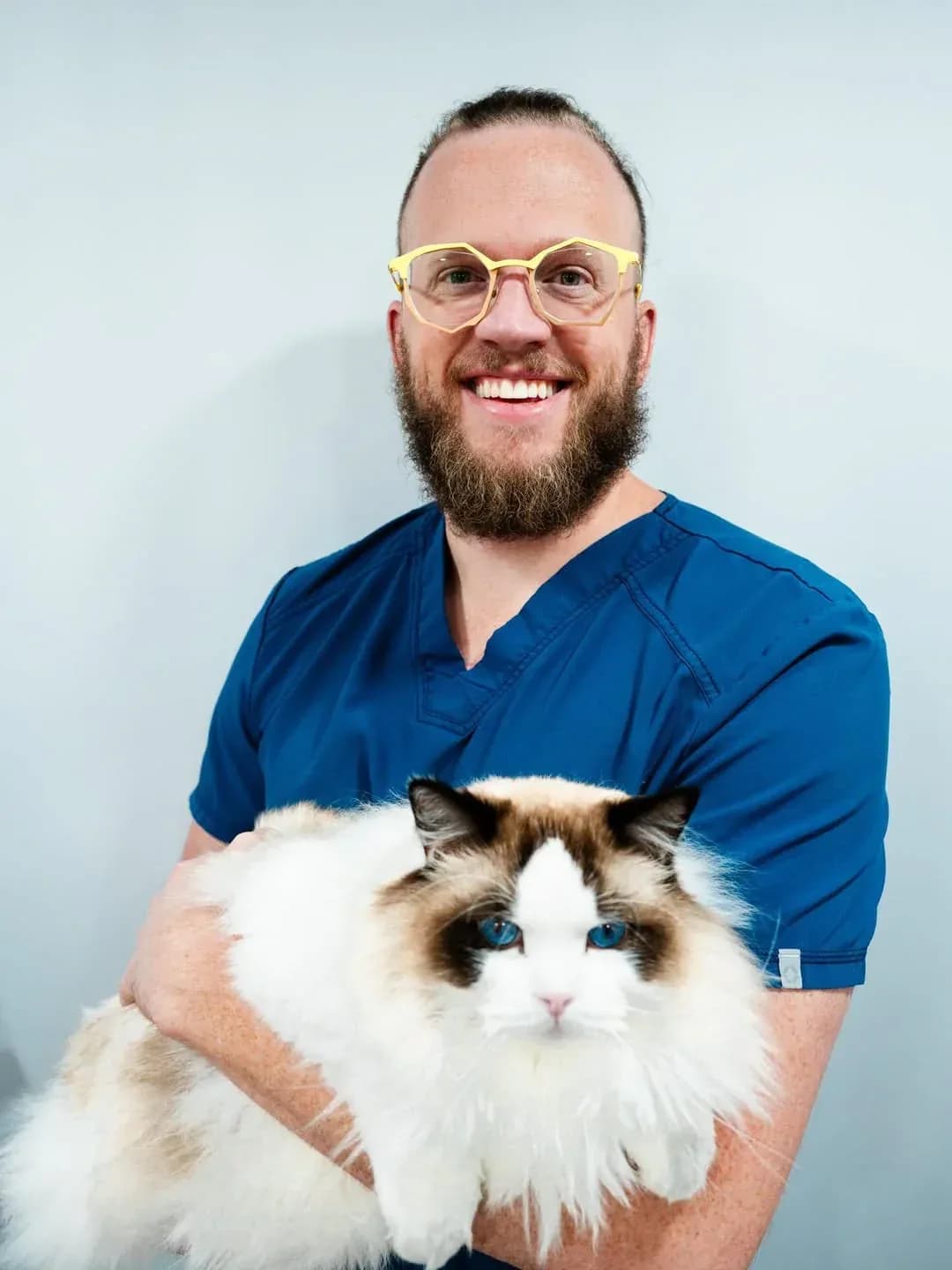
Ask A Vet articles are written by Dr Duncan Houston BVSc, a practising veterinarian, unless another author is named in the byline.