


🐶🐱 Oral Masses and Ulcers in Dogs and Cats: A 2025 Vet Guide by Dr Duncan Houston 🦷
As a veterinarian, one of the more alarming things pet parents bring to my attention is a strange lump or sore inside their furry friend’s mouth. Whether it's an oral mass or an ulcer, these conditions deserve careful attention. In this comprehensive 2025 guide, I’ll walk you through the causes, symptoms, diagnosis, treatment, and outlook for oral growths and sores in dogs and cats. 🐾
🔍 What Are Oral Masses in Pets?
Oral masses are abnormal growths that can appear anywhere in your pet's mouth — including the gums, tongue, cheeks, and even the throat. These can be:
- 🟢 Benign (non-cancerous) – such as fibromas or papillomas
- 🔴 Malignant (cancerous) – such as melanomas, squamous cell carcinomas, or fibrosarcomas
These growths might look small at first, but even minor changes in your pet’s mouth should not be ignored. Early detection saves lives! ❤️
🤔 What Causes Oral Masses?
The causes of oral masses vary widely, including:
- 🦠 Infections – Bacterial infections from dental disease or abscesses
- 🧬 Genetics – Certain breeds, such as black-coated dogs, are more prone to melanomas
- 🔥 Chronic inflammation – From ongoing periodontal disease
- 🧪 Neoplasia – A term for abnormal tissue growth, benign or malignant
Many masses in pets are tumors, and it’s critical to distinguish between benign and malignant types through professional diagnosis. 🧫
⚠️ Common Signs of Oral Masses
Many pets don’t show symptoms right away. However, here are signs to watch for:
- 🐾 Difficulty chewing or swallowing
- 💧 Excessive drooling (sometimes blood-tinged)
- 👃 Foul-smelling breath
- 🩸 Bleeding from the mouth
- 🍽️ Loss of appetite or weight
If your dog or cat shows any of these signs, it's time to schedule a veterinary exam—immediately. Prompt action is key. 🕒
🔬 How Are Oral Masses Diagnosed?
A full veterinary work-up is essential to understand the mass. Diagnosis typically involves:
- 🩺 Physical exam – Evaluating the mouth and checking lymph nodes for swelling
- 📸 Imaging – Chest X-rays to check for spread to the lungs
- 🔍 Biopsy or fine needle aspirate – Collecting tissue or cells for lab analysis
- 🧪 Histopathology – A detailed tissue report from a pathologist
At AskAVet.com, we can help guide you through understanding your pet’s test results with virtual consults. 🧑⚕️💻
🛠️ Treatment Options for Oral Masses
Treatment depends on whether the mass is benign or malignant:
✅ Benign Tumors
- 🔪 Surgical removal – Often curative if completely excised
- 💡 Radiation therapy – May be used when surgery isn't possible
🚨 Malignant Tumors
- 🪓 Aggressive surgery – May include removing part of the jaw (mandibulectomy)
- 🎯 Radiation and/or chemotherapy – To reduce spread or recurrence
- 🧑⚕️ Palliative care – For comfort when curative treatment isn’t possible
Veterinary oncologists and dental surgeons often collaborate to provide the best outcomes. With Ask A Vet, we can help you coordinate care across specialties. 🧠📋
📈 Prognosis: What to Expect
Prognosis depends heavily on the type and stage of the mass:
- 🟢 Benign tumors – Excellent prognosis with appropriate removal
- 🔴 Malignant tumors – Prognosis varies from weeks to months, depending on spread and treatment success
Staying on top of routine dental checkups can increase the chances of catching tumors early. Prevention and early detection are everything. 🦷👀
🩹 Understanding Oral Ulcers in Pets
Oral ulcers are sores or erosions on the gums, tongue, or cheeks. They’re not the same as masses, but they can cause pain, eating difficulties, and bad breath.
👨⚕️ Causes of Oral Ulcers
- 🦷 Periodontal disease
- 🦠 Viral infections (e.g., calicivirus in cats)
- ⚡ Immune-mediated diseases
- ☣️ Exposure to toxins or medications
Often, oral ulcers are secondary to deeper health issues, making diagnosis crucial. 🧬
🧼 Treatment for Oral Ulcers
- 🪥 Professional dental cleaning
- 🦷 Tooth extraction – If ulcers are caused by diseased teeth
- 💧 Antimicrobial rinses with zinc
- 🍲 Soft diets – To ease oral discomfort
Consistent home dental care and regular vet visits go a long way in preventing ulcer flare-ups. 💡
📊 Prognosis for Oral Ulcers
👍 The prognosis is generally excellent once the underlying cause is addressed. However, chronic or recurrent ulcers require more specialized care and follow-up. 🩺
🧽 Home Care & Monitoring Tips
Whether dealing with ulcers or masses, here’s how to help your pet stay comfortable and safe:
- 👀 Check your pet’s mouth regularly
- 🪥 Brush their teeth daily with pet-safe toothpaste
- 🧼 Use vet-approved oral rinses
- 📅 Schedule routine dental exams
- 💬 Report any changes immediately to your vet
Need help building a dental routine? Our team at AskAVet.com offers guidance and product recommendations tailored to your pet's needs. 🐶🧼🐱
📲 Final Thoughts from Dr Duncan Houston
Oral health is often overlooked but plays a major role in your pet’s quality of life. Oral masses and ulcers are more than just surface issues—they can indicate deeper problems and, in some cases, life-threatening diseases.
Stay proactive with regular checks, early diagnostics, and preventive care. If you ever find a lump or sore in your pet’s mouth, don’t wait—reach out to your vet or AskAVet.com for expert support. 🐾💬
Download the Ask A Vet app today to get answers fast, access virtual consults, and manage your pet’s health like a pro. 🐾📱
This article is general veterinary education and does not diagnose or treat an individual animal. Always confirm medication names, doses and interactions with the veterinarian who knows your pet.
If your animal is struggling to breathe, collapsed, bleeding heavily, seizing, or has eaten something toxic, contact your vet or the nearest emergency clinic now.
Animal Poisons Helpline (AU) 1300 869 738 · Animal Poisons Helpline (NZ) 0800 869 738 · ASPCA Animal Poison Control (US) (888) 426-4435
More from Ask A Vet
For everyday pet care, one scan or tap of the smart pet ID tag opens your pet's free profile on any phone, no app needed; the GPS pet tracker logs live location and activity trends; and the Ask A Vet app keeps your pet's records and routines together.
 QR Code Dog & Cat ID Tag with NFC, HangingView ID Tag
The ASK A VET™ Smart ID Tag is a QR scan or NFC tap on any phone, no app needed, with a free profile you can update anytime.
 Dog & Cat GPS Tracker for Their CollarView tracker
The ASK A VET™ Tracker logs live location and activity trends, so a change in routine never goes unnoticed.
 Talk to a Vet Online: The Ask A Vet AppExplore the app
Ask questions, speak with vets, and keep your pet's records and routines together with Ask A Vet.
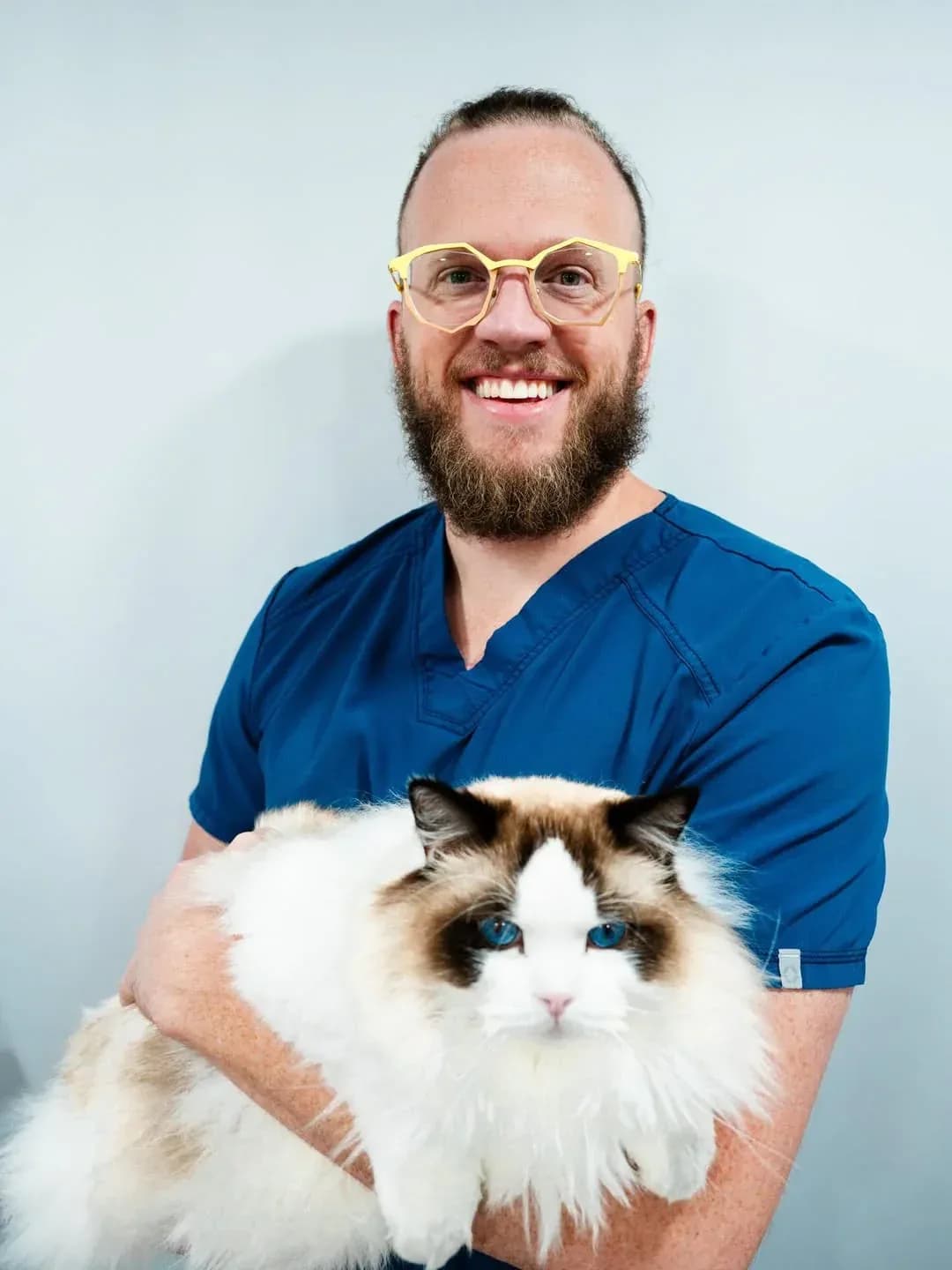
Ask A Vet articles are written by Dr Duncan Houston BVSc, a practising veterinarian, unless another author is named in the byline.