


A red line along your cat's teeth can be easy to miss, especially if they still finish their food. It may be inflamed gum tissue, but redness alone cannot tell you whether the problem is limited to the gums or involves a painful tooth or a wider area of the mouth.
Arrange a veterinary mouth examination rather than trying weeks of brushing or dental additives first. If your cat cannot eat, seems very painful or has other signs of illness, tell the clinic when you call so they can assess the urgency.
Quick Answer
Red, swollen gums in cats commonly indicate gingivitis, but periodontal disease, tooth resorption and gingivostomatitis can also cause a sore, inflamed mouth. A veterinary examination is needed to identify the cause, and dental X-rays may be required to assess disease hidden below the gumline. Do not brush painful gums or give human painkillers; seek urgent help for difficulty breathing, collapse or heavy bleeding.
What do red gums mean?
Gingivitis means inflammation of the gum tissue around a tooth. You may see a red margin where the tooth meets the gum, swelling or bleeding. Plaque is a bacterial film on the teeth; when it builds up near and below the gumline, it can trigger inflammation. Hardened plaque is called calculus or tartar.
The amount of visible tartar does not tell you how comfortable the mouth is. A cat with relatively clean-looking teeth can still have severe inflammation or disease beneath the surface. Equally, a photograph cannot show the roots or reliably distinguish the different causes of redness.
Look at eating behaviour as well as how much food disappears. Turning the head to chew, dropping food, approaching a meal then backing away, drooling or choosing softer food can all be useful details to report. Bad breath, blood-tinged saliva and pawing at the mouth add to the concern.
How soon should your cat see a vet?
Redness without obvious illness
If your cat is otherwise comfortable and eating normally, book a mouth examination. This is not necessarily an emergency, but normal eating does not rule out pain, and visible redness is not a reason to wait for loose teeth or worsening symptoms.
Eating is difficult or the mouth is painful
Contact your vet today if your cat is eating less, repeatedly dropping food, drooling, bleeding from the mouth or showing clear discomfort. Describe whether they can swallow and how much they have actually eaten. A kitten or a cat with another medical condition may need a more cautious plan.
Severe illness or injury
Heavy bleeding, collapse, breathing difficulty, major facial injury or suspected chemical exposure require immediate veterinary advice and emergency assessment. Do not assume these are just a severe version of ordinary gum disease.
When is this an emergency?
Go to an emergency veterinary clinic now if your cat struggles to breathe, collapses, becomes unresponsive or has uncontrolled bleeding. Blue, purple or very pale gums are also emergency warning signs, especially with weakness or breathing changes.
If a chemical or medication may have caused the problem, contact a vet or animal poison service promptly and have the product details available. Do not induce vomiting, put a cleaning product in the mouth or force your cat to swallow food or water.
What can cause red gums?
Gingivitis and periodontal disease
Gingivitis affects the gums. Periodontitis involves damage to the deeper tissues and bone that support the teeth. Receding gums, exposed roots or loose teeth suggest more advanced disease, but much of the damage can be hidden. The distinction matters: gingivitis can often be reversed with appropriate care, whereas lost tooth-supporting tissue is not simply restored by brushing.
Tooth resorption
In tooth resorption, part of the tooth breaks down. A pink or red area at the gumline may cover a defect, and the process can extend below what you can see. It is not the same as a human cavity, and home cleaning cannot repair it. Dental X-rays help the vet decide how an affected tooth should be managed.
Gingivostomatitis
Feline gingivostomatitis is severe, persistent inflammation that extends beyond the gum edges into other tissues of the mouth, often including the back of the mouth. Cats may be interested in food but unable to eat comfortably. An abnormal immune response is involved, and viral infections can be associated with the condition, but a red mouth does not prove a particular virus caused it.
This condition needs a different plan from straightforward plaque-related gingivitis. Management may include dental extractions and medication, with ongoing assessment of pain and eating. It is not something to manage by brushing harder.
Other oral or general illness
Infection or systemic illness, including severe kidney disease, can be associated with oral inflammation or ulcers. A persistent lump, a focal sore, facial swelling or unexplained tooth loss also needs investigation for an oral tumour. These possibilities do not mean every cat with red gums has a serious underlying disease; they explain why an examination is more useful than guessing from colour alone.
How do vets find the cause?
Your vet starts with the history, a general examination and as much of a mouth examination as your cat comfortably allows. Tell them about changes in food intake, weight, drinking, grooming and behaviour, as well as medicines, previous dental treatment and possible exposures.
A thorough dental assessment may require general anaesthesia, not just an awake look or light sedation. This allows dental probing, charting and X-rays, including areas below the gumline. The anaesthetic plan is tailored to the individual cat, with assessment and monitoring appropriate to their health.
Blood tests or selected infection tests may be recommended when the history or findings suggest another illness. A suspicious mass or unusual lesion may need a biopsy. Not every cat needs every test; ask what each proposed test would change about the treatment plan.
An older cat or one with kidney or heart disease needs an individual risk discussion. Age alone does not tell you whether treatment should be avoided. The vet weighs the risks of anaesthesia against the consequences of leaving painful disease untreated.
What treatment might be needed?
Treatment depends on the diagnosis, not how red the gums look. Plaque-related disease may need professional cleaning above and below the gumline, followed by a workable home-care plan. Teeth that cannot be kept comfortable and functional may need extraction.
Resorptive teeth require assessment of the tooth and its roots before a treatment is chosen. For gingivostomatitis, removing affected teeth or more extensive extractions may be part of treatment, but the extent of surgery and any medication are individual decisions. Some cats need continued treatment even after extractions.
Antibiotics alone do not correct the underlying dental problem. Pain relief also needs to be prescribed for your cat, taking other illnesses and medicines into account. Do not use leftover antibiotics, human painkillers or another animal's medication.
What should you do at home?
- Arrange the examination. Tell the clinic about pain, bleeding, reduced eating or other illness rather than booking only a routine clean.
- Avoid a struggle over inspection. If your cat resists or seems sore, stop. A photograph taken without restraint can document a change, but it cannot replace an examination.
- Keep food and water easy to reach. If your cat can swallow normally, offer their usual food in a texture they can manage. Do not force-feed a cat with a painful mouth or swallowing difficulty.
- Leave painful gums alone. Do not brush, scrape tartar, pull at a tooth or apply a mouth product unless your vet has advised it.
- Monitor actual intake and comfort. Report worsening pain, inability to eat, difficulty swallowing or increasing bleeding promptly. Do not use a fixed waiting period when the cat is deteriorating.
Common mistakes to avoid
- Assuming a cat is pain-free because they continue to eat.
- Starting vigorous brushing on inflamed gums before the cause is assessed.
- Relying on an additive, gel or antibiotic to repair a damaged tooth.
- Choosing an anaesthesia-free scale because the visible teeth look cleaner afterwards.
- Waiting several weeks despite reduced appetite, bleeding or a persistent sore.
Can you prevent it coming back?
Once the mouth is comfortable, ask your vet to demonstrate an appropriate home-care routine. Gradual, gentle brushing with a cat toothbrush and cat-safe toothpaste can reduce plaque. Do not use human toothpaste, and stop if brushing becomes painful or bleeding develops.
Dental foods or other products may be useful in a tailored plan, but they are not substitutes for treating established disease. Ask what the product is intended to control and whether it suits your cat's diet and medical needs. Arrange rechecks at the interval recommended for your cat rather than assuming every cat needs the same cleaning schedule.
Home care cannot reliably prevent every form of oral disease. Tooth resorption and gingivostomatitis are not proof that an owner failed to brush enough. The useful goal is earlier recognition, better comfort and a plan you can maintain.
Frequently asked questions
Can red gums go away on their own?
Some causes of gingivitis are reversible with appropriate treatment, but you cannot tell from appearance whether deeper disease is present. Arrange an examination rather than waiting for the redness to disappear.
Should I brush my cat's red gums?
Not before checking with your vet if the gums are sore, bleeding or markedly inflamed. Brushing can be painful and does not treat every cause. Resume an agreed routine once the mouth is comfortable.
Does bad breath mean my cat needs antibiotics?
No. Bad breath is a reason to assess the mouth, not a diagnosis. Cleaning, treatment of a diseased tooth or investigation of another condition may matter more than an antibiotic.
Can a young cat have serious gum disease?
Yes. Gingivostomatitis and other painful oral problems can affect younger cats as well as older ones. Do not dismiss persistent redness or difficulty eating simply because your cat is young.
The important next step
Red gums deserve a veterinary examination, not a trial of increasingly strong home treatments. Note how your cat eats and behaves, arrange an appropriate appointment, and escalate sooner if pain, bleeding or illness develops. Treating the cause is what helps the mouth become comfortable.
Sources
- Cornell Feline Health Center: gingivitis, periodontitis and tooth resorption
- Cornell Feline Health Center: gingivostomatitis
- AAHA dental guidelines: anaesthesia, assessment and pain relief
- Cornell Feline Health Center: oral tumours
- Cornell University Hospital for Animals: emergency warning signs
ASK A VET™ shares general cat-care information to help you prepare for a veterinary visit. A painful or inflamed mouth needs an in-person examination.
This article is general veterinary education and does not diagnose or treat an individual animal. Always confirm medication names, doses and interactions with the veterinarian who knows your pet.
If your animal is struggling to breathe, collapsed, bleeding heavily, seizing, or has eaten something toxic, contact your vet or the nearest emergency clinic now.
Animal Poisons Helpline (AU) 1300 869 738 · Animal Poisons Helpline (NZ) 0800 869 738 · ASPCA Animal Poison Control (US) (888) 426-4435
More from Ask A Vet
For everyday pet care, one scan or tap of the smart pet ID tag opens your pet's free profile on any phone, no app needed; the GPS pet tracker logs live location and activity trends; and the Ask A Vet app keeps your pet's records and routines together.
 QR Code Dog & Cat ID Tag with NFC, HangingView ID Tag
The ASK A VET™ Smart ID Tag is a QR scan or NFC tap on any phone, no app needed, with a free profile you can update anytime.
 Dog & Cat GPS Tracker for Their CollarView tracker
The ASK A VET™ Tracker logs live location and activity trends, so a change in routine never goes unnoticed.
 Talk to a Vet Online: The Ask A Vet AppExplore the app
Ask questions, speak with vets, and keep your pet's records and routines together with Ask A Vet.
- Cat Health
- Dental Care
- Exotic Animal Care
- Gingivitis
- Large Animal Care
- Nutrition
- Pet Care
- Tech & Tracking
- Vet Tips
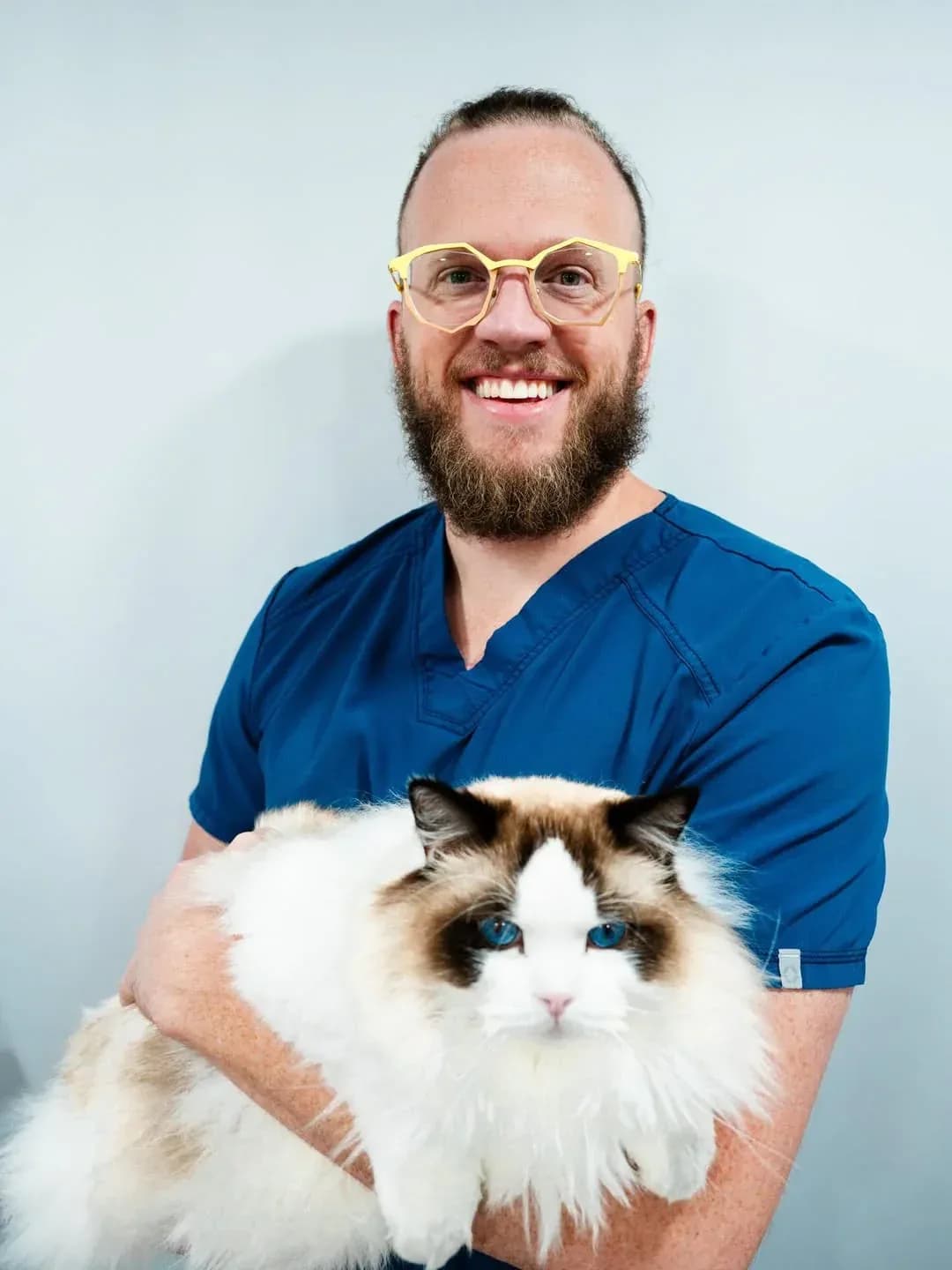
Ask A Vet articles are written by Dr Duncan Houston BVSc, a practising veterinarian, unless another author is named in the byline.