


Subinvolution of Placental Sites in Dogs: Veterinary Guide & Care 2025 🩺🐾
By Dr. Duncan Houston BVSc
Hello, I'm Dr Duncan Houston BVSc, veterinarian and founder of Ask A Vet. In this 2025 veterinary series, we dive into subinvolution of placental sites (SIPS) — when a dog's uterus fails to heal normally after whelping. Though often benign, persistent bleeding can worry owners and occasionally requires intervention. We'll outline what to watch for, how it's diagnosed, when treatment is needed, and long‑term care—with insights from Ask A Vet, z. 💙🐶
1. What Is Subinvolution of Placental Sites? 🤔
Following whelping, the uterus undergoes involution: placental attachment areas regress and bleeding stops by around 6–8 weeks. In SIPS, this involution is delayed—leading to ongoing serosanguineous or hemorrhagic vaginal discharge beyond normal postpartum timeframe.
Normally, uterine involution completes between 12–15 weeks postpartum; SIPS indicates failure or delay in that process.
2. Who’s Affected & Why? 🐾
- Young, primarily primiparous dogs: under 3 years old, often first-time mothers.
- No particular breed predisposition—all breeds are equally susceptible.
- Possible risk factors: prolonged labor, uterine inertia, retained placenta—though causes aren’t definitively established.
3. Recognizing the Signs 🕵️♂️
Most affected dogs appear healthy with no systemic illness. Keep an eye out for:
- Persistent vaginal discharge lasting beyond 6–8 weeks postpartum—pink, red, or brownish in color.
- Possible progression to pyometra if infection occurs—watch for pus, malodor, or fever.
- If bleeding is heavy: monitor for anemia-related signs—pale gums, lethargy, weakness.
4. How Vets Diagnose SIPS 🔬
4.1 History & Physical Exam
Diagnosis starts with postpartum history, noting duration of discharge. A physical exam focuses on vaginal discharge and uterine size.
4.2 Laboratory & Imaging
- CBC, chemistry, urinalysis: typically normal, but may detect anemia or infection.
- Vaginal cytology: shows trophoblastic-like or decidual cells, supporting diagnosis.
- Ultrasound: can reveal thickened uterine wall or fluid in the horns.
4.3 Definitive Diagnosis
A uterine biopsy confirms retained placental sites histologically, but is rarely required.
5. Treatment & Care Options 🛠️
5.1 No Treatment: Monitoring
Many cases resolve spontaneously by the next estrus; most dogs remain systemically healthy.
5.2 Medical Management
- Progestagen therapy: oral or injectable formulations (megestrol acetate, medroxyprogesterone) often halt bleeding within days.
- Antibiotics: if infection is present, uterine culture may guide choice.
- Supportive care: fluids and transfusion if anemia is significant.
5.3 Surgical Intervention
Ovariohysterectomy (spay) definitively resolves SIPS and prevents recurrence; indicated when bleeding is severe, infection is persistent, or breeding is not planned.
6. Prognosis & Long-Term Health 📊
- Spontaneous resolution occurs in many dogs; fertility remains normal in subsequent pregnancies.
- Medical therapy halts discharge quickly without reducing future fertility.
- Spaying offers a permanent solution; excellent overall prognosis.
- Severe cases with infection, anemia, or hemorrhage have a more guarded outlook but often respond to intervention.
7. Owner Guidance & Home Care 🏡
- Track discharge duration, color, and odor carefully.
- Monitor for signs of anemia—check gums and energy level.
- Schedule periodic exams and follow-up ultrasounds.
- Discuss reproductive plans openly with your vet to guide treatment choices.
8. Brand‑Integrated Support 💡
- Ask A Vet: Telehealth monitoring, medication reminders, guidance on breeding or spaying.
9. When to Seek Immediate Vet Care 🚨
- Bleeding heavier or longer than expected (>12 weeks postpartum).
- Signs of systemic illness: fever, lethargy, anorexia, pale gums.
- Foul-smelling discharge or pus suggests infection.
- Breeding not desired—spaying offers definitive resolution.
10. Summary & Final Thoughts 📝
Subinvolution of placental sites is common and often resolves on its own, with excellent fertility outcomes. For persistent or problematic cases, medical therapy with progestagens or spay surgery offers quick resolution and peace of mind. With attentive follow-up and support from Ask A Vet, most dogs bounce back swiftly, whether future breeding is planned or not. 🐾💙
If you notice prolonged postpartum bleeding or have concerns, schedule a telehealth consult via AskAVet.com and download our app for monitoring guidance and personalized support. 🌟Subinvolution of Placental Sites in Dogs: Veterinary Guide & Care 2025 🩺🐾
This article is general veterinary education and does not diagnose or treat an individual animal. Always confirm medication names, doses and interactions with the veterinarian who knows your pet.
If your animal is struggling to breathe, collapsed, bleeding heavily, seizing, or has eaten something toxic, contact your vet or the nearest emergency clinic now.
Animal Poisons Helpline (AU) 1300 869 738 · Animal Poisons Helpline (NZ) 0800 869 738 · ASPCA Animal Poison Control (US) (888) 426-4435
More from Ask A Vet
For everyday pet care, one scan or tap of the smart pet ID tag opens your pet's free profile on any phone, no app needed; the GPS pet tracker logs live location and activity trends; and the Ask A Vet app keeps your pet's records and routines together.
 Hanging QR & NFC Pet ID TagView ID Tag
The ASK A VET™ Smart ID Tag is a QR scan or NFC tap on any phone, no app needed, with a free profile you can update anytime.
 Dog & Cat GPS Tracker for Their CollarView tracker
The ASK A VET™ Tracker logs live location and activity trends, so a change in routine never goes unnoticed.
 Talk to a Vet Online: The Ask A Vet AppExplore the app
Ask questions, speak with vets, and keep your pet's records and routines together with Ask A Vet.
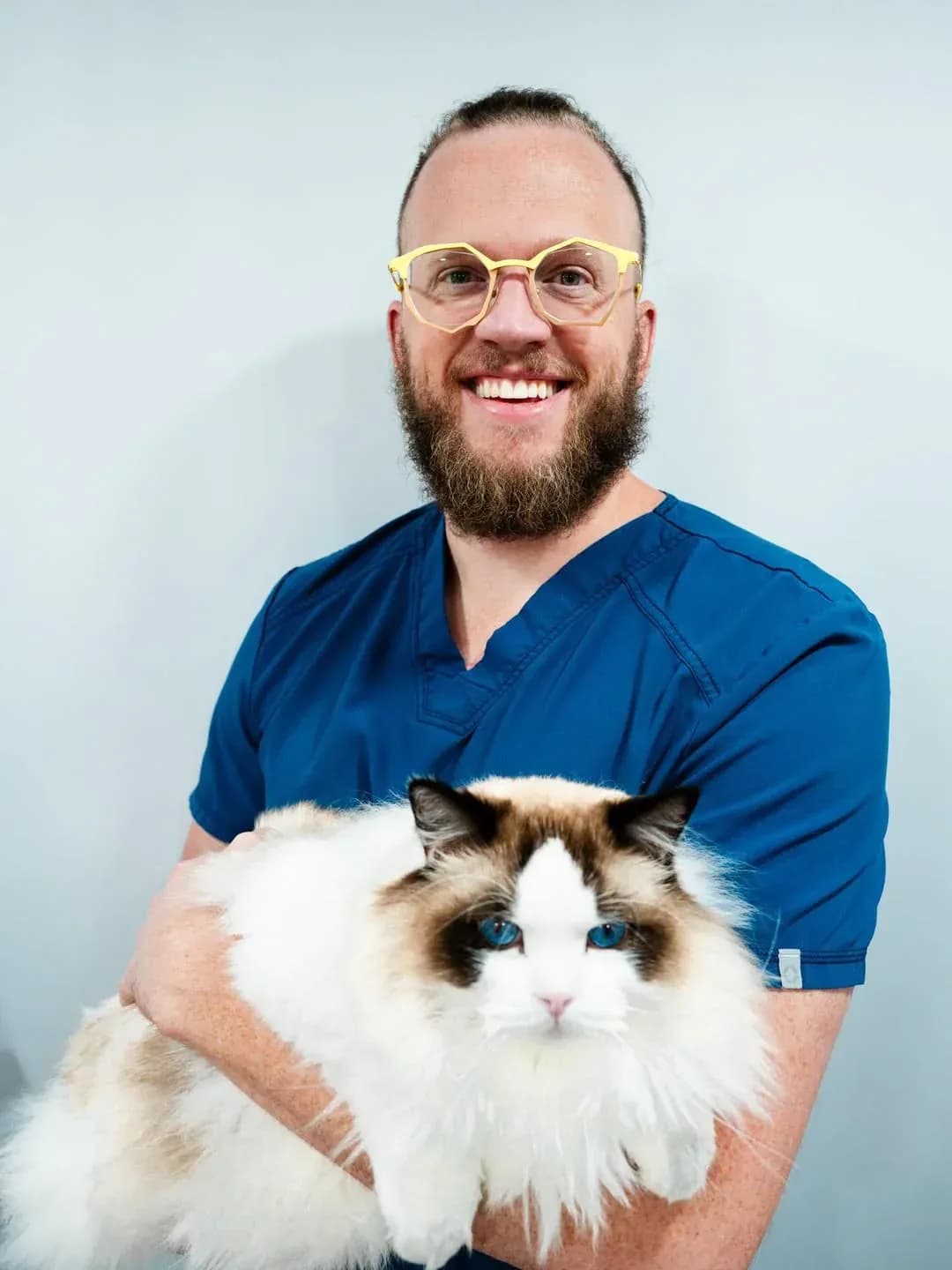
Ask A Vet articles are written by Dr Duncan Houston BVSc, a practising veterinarian, unless another author is named in the byline.