


The Truth About Dairy Products and Cats: Vet Nutrition & Digestive Guide 2025 🐱🥛
By Dr. Duncan Houston, BVSc
🔍 Why Cats and Dairy Doesn’t Mix
Cats are obligate carnivores—they evolved to eat meat, not milk. Many adult cats lack sufficient lactase—the enzyme needed to digest lactose in dairy. When lactose isn’t broken down in the small intestine and reaches the colon, bacteria ferment it, causing gas, pain, and diarrhea 🐾.
- Kittens produce high lactase while nursing, but this declines after weaning。
- Piers (mature cats) are often lactose intolerant—especially when drinking cow’s milk unexpectedly。
1. Lactose Intolerance in Cats
a. Common Signs
- 💩 Diarrhea—often watery or mucoid, within hours.
- 💨 Flatulence, abdominal bloating, discomfort.
- 😿 Vomiting, decreased appetite, lethargy with ongoing ingestion.
b. Why It Happens
- 🔻 After weaning, lactase enzyme levels drop—most cats produce little to none by adulthood.
- 🧬 Genetic variability explains why some can tolerate small amounts.
2. Dairy Products: Which Are Riskier?
- Cow’s milk – highest lactose; most likely to cause symptoms.
- Cheese – lower lactose due to fermentation; hard cheeses (e.g., cheddar) usually tolerated in small amounts.
- Yogurt – fermented and contains probiotics; lactose reduced but still may upset sensitive cats.
- Cream & ice cream – very high fat; can cause diarrhea and pancreatitis.
- Milk substitutes – plant-based (almond, oat) lack animal nutrition and electrolytes; not ideal as a water source.
3. Safe Dairy Treats—What, How Much & When
- “Lactose-free cat milk” – treated to remove lactose; still should be a treat, not a daily drink.
- Hard cheese cubes – 1–2 small pieces occasionally; monitor for constipation.
- Plain yogurt – 1 tsp; choose unsweetened, low-fat varieties with live cultures and no xylitol.
- Sour cream – limited tolerance (½ tsp), offers less lactose than regular cream.
💡 Tip: Offer new dairy slowly and observe for 24–48 hours for digestive changes.
4. Nutritional Risks of Dairy
- 🧂 Dairy can unbalance a cat’s diet—missing taurine, essential fatty acids and high-quality animal protein.
- ⚠ Calorie-dense treats may contribute to obesity if offered too often.
- 🍶 High-fat products may trigger pancreatitis in susceptible cats.
- ❗ For lactose-intolerant cats, repeated dairy can damage the gut lining—leading to chronic IBD.
5. Alternatives & Better Hydration Solutions 🥤
- Water is essential: fresh, clean water should always be available in multiple bowls or pet fountains to encourage hydration.
- Broth treats: Offer low-sodium chicken or beef broth (no onion/garlic) for flavor without lactose.
- Cat-specific milk substitutes: Use sparingly as treats, not staples.
- Cat grass, tuna juice – occasional nibble treats that add flavor & moisture.
6. When Dairy Upsets a Cat’s System
- Watch for diarrhea: especially loose stools within 8–12 hours.
- Vomiting or licking lips may indicate nausea.
- Take action: withhold dairy for 48 hours; offer bland meals (boiled chicken, rice).
- Rehydrate carefully: offer water; if vomiting persists, consult your veterinarian.
7. Ask A Vet Remote Monitoring 🐾📲
- 📸 Use the app to upload photos/descriptions of stool consistency and frequency.
- 🔔 Set feeding reminders or hydration schedules.
- 🧭 Track treat intake and symptoms in-app logs.
- 📊 Get expert triage to determine if symptoms require an in-clinic visit.
8. FAQs
Can kittens drink cow’s milk?
Only under veterinary supervision. The high lactose content may still cause upset even in kittens. Kitten milk replacers are safer and nutritionally balanced.
Is goat’s milk better?
Goat’s milk has slightly less lactose but still not recommended for cats. Only safe in very small amounts, and only if tolerated.
What about specialty “cat milk”?
Products labeled "lactose-free" or "cat milk" are safer as occasional treats but should never replace fresh water as a regular drink.
My cat drinks milk and seems fine. Should I stop?
If your cat tolerates small amounts with no symptoms, occasional treats are OK. But it should never overtake water consumption or displace a balanced diet.
9. Final Take-Home Tips ✅
- Water always wins: Make fresh water more appealing than milk.
- Treat smart: Offer dairy sparingly, observe for reactions.
- Know your cat: Many cats don’t tolerate lactose—only feed what your cat can digest.
- Ask A Vet support: Use remote tools to track digestive health and plan dietary changes safely.
Conclusion
While the image of a cat lapping milk endures, the truth is that most adult cats lack the enzyme to digest lactose—and can suffer digestive upset. In 2025, we recommend water as the primary drink and, at most, safe lactose‑free dairy treats occasionally. Monitor reactions, offer nutritionally sound alternatives, and rely on Ask A Vet for expert, remote guidance to keep your cat’s digestive health top‑notch 🐱❤️📲.
© 2025 AskAVet.com • Download the Ask A Vet app for symptom tracking, treat logging, hydration reminders, and personalized nutrition guidance anytime 🐾📲
This article is general veterinary education and does not diagnose or treat an individual animal. Always confirm medication names, doses and interactions with the veterinarian who knows your pet.
If your animal is struggling to breathe, collapsed, bleeding heavily, seizing, or has eaten something toxic, contact your vet or the nearest emergency clinic now.
Animal Poisons Helpline (AU) 1300 869 738 · Animal Poisons Helpline (NZ) 0800 869 738 · ASPCA Animal Poison Control (US) (888) 426-4435
More from Ask A Vet
For everyday pet care, one scan or tap of the smart pet ID tag opens your pet's free profile on any phone, no app needed; the GPS pet tracker logs live location and activity trends; and the Ask A Vet app keeps your pet's records and routines together.
 QR Code Dog & Cat ID Tag with NFC, HangingView ID Tag
The ASK A VET™ Smart ID Tag is a QR scan or NFC tap on any phone, no app needed, with a free profile you can update anytime.
 Dog & Cat GPS Tracker for Their CollarView tracker
The ASK A VET™ Tracker logs live location and activity trends, so a change in routine never goes unnoticed.
 Talk to a Vet Online: The Ask A Vet AppExplore the app
Ask questions, speak with vets, and keep your pet's records and routines together with Ask A Vet.
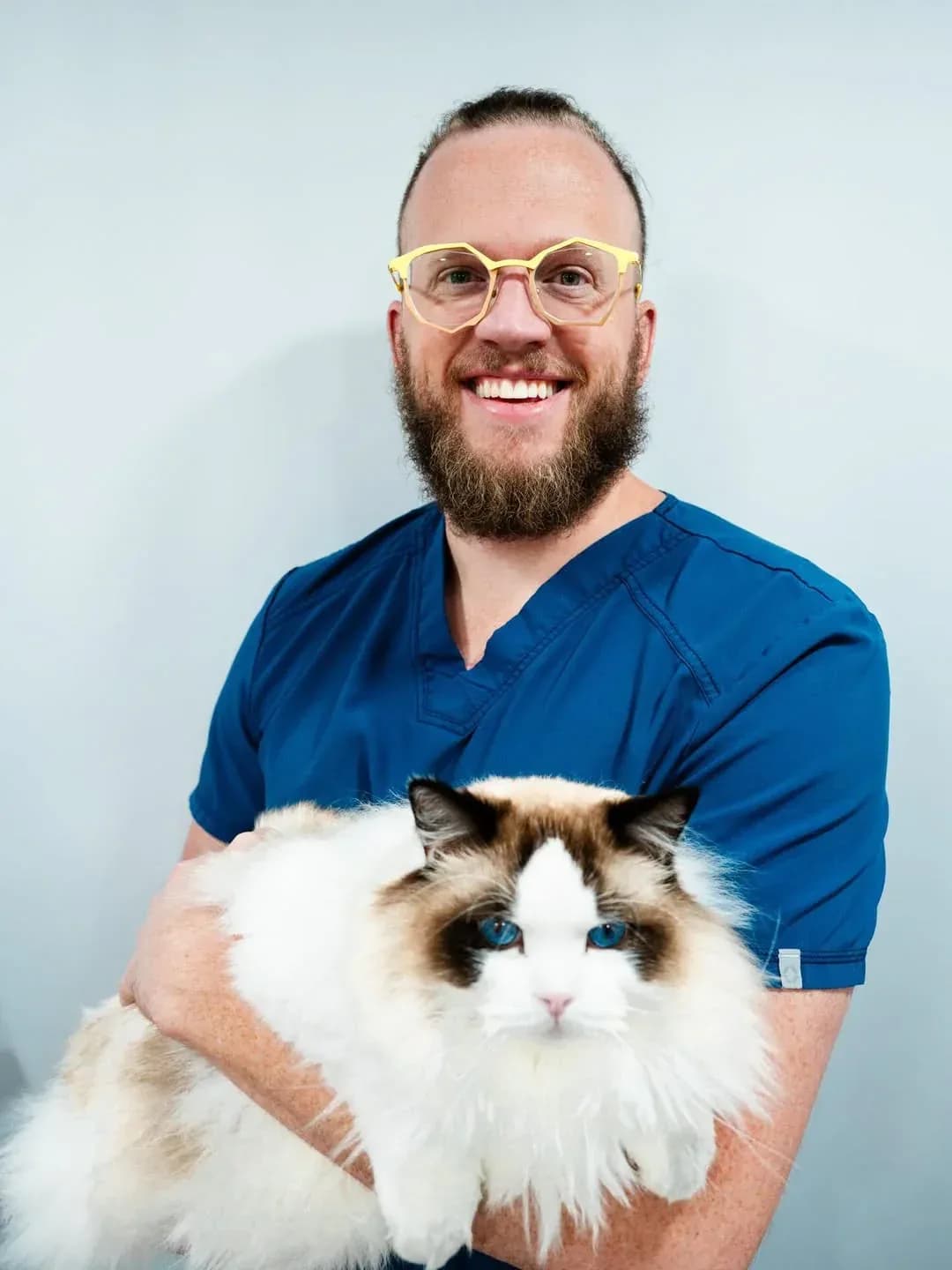
Ask A Vet articles are written by Dr Duncan Houston BVSc, a practising veterinarian, unless another author is named in the byline.