






The Vet’s 2025 Guide to Sildenafil 🐶🐱: Uses, Dosage & Safety by Dr Duncan Houston BVSc
👋 Hi there, pet parents! I’m Dr Duncan Houston BVSc. Let’s explore how Sildenafil helps dogs and cats with serious conditions like pulmonary hypertension and megaesophagus—while keeping them safe and thriving in 2025!
🔍 What Is Sildenafil?
Sildenafil is a **phosphodiesterase (PDE-5) inhibitor** that relaxes and widens blood vessels—especially in the lungs—reducing pressure and easing strain on the heart. In veterinary medicine, it’s used off-label for dogs and occasionally cats to treat pulmonary hypertension and megaesophagus :contentReference[oaicite:3]{index=3}.
🐕🐈 Common Uses
1. Pulmonary Hypertension (PH)
High blood pressure in the lungs forces the right heart to work harder. Sildenafil eases vessel tension, improving exercise tolerance, energy, and quality of life in pets :contentReference[oaicite:4]{index=4}.
2. Megaesophagus (Dogs)
This esophageal weakness makes swallowing and food transit difficult. Sildenafil relaxes the esophageal sphincter, aiding food passage and reducing regurgitation risk :contentReference[oaicite:5]{index=5}.
💊 Dosage Guidelines
- 🐶 **Dogs, PH**: 1–3 mg/kg orally every 8–12 hours :contentReference[oaicite:6]{index=6}.
- 🐕 **Dogs, Megaesophagus**: 1 mg/kg every 12 hours :contentReference[oaicite:7]{index=7}.
- 🐱 **Cats, PH**: 1–2 mg/kg every 12 hours, often off-label :contentReference[oaicite:8]{index=8}.
Medication typically takes effect within 1–2 hours, with observable symptom improvement in days :contentReference[oaicite:9]{index=9}.
🕒 How to Administer
- Give on an empty stomach (1 hour before or 2 hours after food). If upset, give with a light meal :contentReference[oaicite:10]{index=10}.
- Use tablets, compounded suspensions, or injectables as directed :contentReference[oaicite:11]{index=11}.
- Shake liquid formulations well before dosing :contentReference[oaicite:12]{index=12}.
- If a dose is missed, give it when remembered unless it's close to the next scheduled dose—never double-dose :contentReference[oaicite:13]{index=13}.
⚠️ Possible Side Effects
Sildenafil is usually well tolerated but watch for:
- 🤢 Mild GI upset (vomiting, diarrhea, appetite loss)
- 🌺 Flushed skin, nasal congestion, dizziness
- 💓 Low blood pressure signs: weakness, collapse, fainting—especially if combined with other BP-lowering drugs :contentReference[oaicite:14]{index=14}.
- 🛌 Prolonged erection—rare in pets, but possible :contentReference[oaicite:15]{index=15}.
Stop medication and call your vet if you see severe side effects or suspect overdose :contentReference[oaicite:16]{index=16}.
🔀 Drug Interactions & Precautions
Sildenafil can interact dangerously with:
- Other hypotensives (nitrates, alpha blockers, amlodipine)
- Drugs like cimetidine, erythromycin, itraconazole, phenobarbital, rifampin :contentReference[oaicite:17]{index=17}.
- Low BP, dehydration, heart disease, or bleeding disorders ↑ risks :contentReference[oaicite:18]{index=18}.
Always disclose ALL medications, supplements, or flea products to your vet :contentReference[oaicite:19]{index=19}.
📈 Monitoring & Follow-Up
- 🏥 Baseline diagnostics: BP, heart/lung imaging, esophagus assessment.
- 📅 Regular checks: BP, breathing, cough, weight, appetite.
- 📱 Use the Ask A Vet app to log symptoms, side effects & get refill reminders.
Goals: improved breathing for PH; reduced regurgitation & better weight gain in megaesophagus.
🏡 Supporting Care at Home
- 💤 Rest & calm environment—limit intense exercise
- 🧩 Small frequent meals—especially for megaesophagus
- 🐾 Enrichment with Woopf puzzle toys to support mood and nutrition
- 🌿 Add Purrz supplements to support cardiac wellness if recommended
📰 FAQs
🔹 Can it be crushed?
Yes—tablets can be crushed and mixed with food; use a dosing syringe for liquids :contentReference[oaicite:20]{index=20}.
🔹 Is it safe for pregnant pets?
There are no established safety studies—it’s used only if benefit outweighs risk; always consult your vet :contentReference[oaicite:21]{index=21}.
🔹 Should it be given with food?
On an empty stomach is best, but giving with food is okay if pets experience GI upset :contentReference[oaicite:22]{index=22}.
🔹 What if my pet has liver or kidney disease?
Effects may last longer—dose adjustments and monitoring are essential :contentReference[oaicite:23]{index=23}.
🎯 Final Thoughts from Dr. Duncan
Sildenafil is a valuable tool in our veterinary toolkit, helping dogs and cats breathe easier and live better with pulmonary hypertension or megaesophagus 🌟. When used responsibly, with proper dosing, monitoring, and supportive care (Ask A Vet, Woopf, Purrz), it offers remarkable quality-of-life improvements 🐾💖.
Have questions or need tailored guidance? Visit AskAVet.com or download the Ask A Vet app to chat with a vet anytime 📲.
Stay caring and hopeful—
Dr Duncan Houston BVSc 🩺🐶🐱
This article is general veterinary education and does not diagnose or treat an individual animal. Always confirm medication names, doses and interactions with the veterinarian who knows your pet.
If your animal is struggling to breathe, collapsed, bleeding heavily, seizing, or has eaten something toxic, contact your vet or the nearest emergency clinic now.
Animal Poisons Helpline (AU) 1300 869 738 · Animal Poisons Helpline (NZ) 0800 869 738 · ASPCA Animal Poison Control (US) (888) 426-4435
More from Ask A Vet
For everyday pet care, one scan or tap of the smart pet ID tag opens your pet's free profile on any phone, no app needed; the GPS pet tracker logs live location and activity trends; and the Ask A Vet app keeps your pet's records and routines together.
 QR & NFC Pet ID Tag for Dogs and CatsView ID Tag
The ASK A VET™ Smart ID Tag is a QR scan or NFC tap on any phone, no app needed, with a free profile you can update anytime.
 GPS Pet Tracker for Dogs and CatsView tracker
The ASK A VET™ Tracker logs live location and activity trends, so a change in routine never goes unnoticed.
 Talk to a Vet Online: The Ask A Vet AppExplore the app
Ask questions, speak with vets, and keep your pet's records and routines together with Ask A Vet.
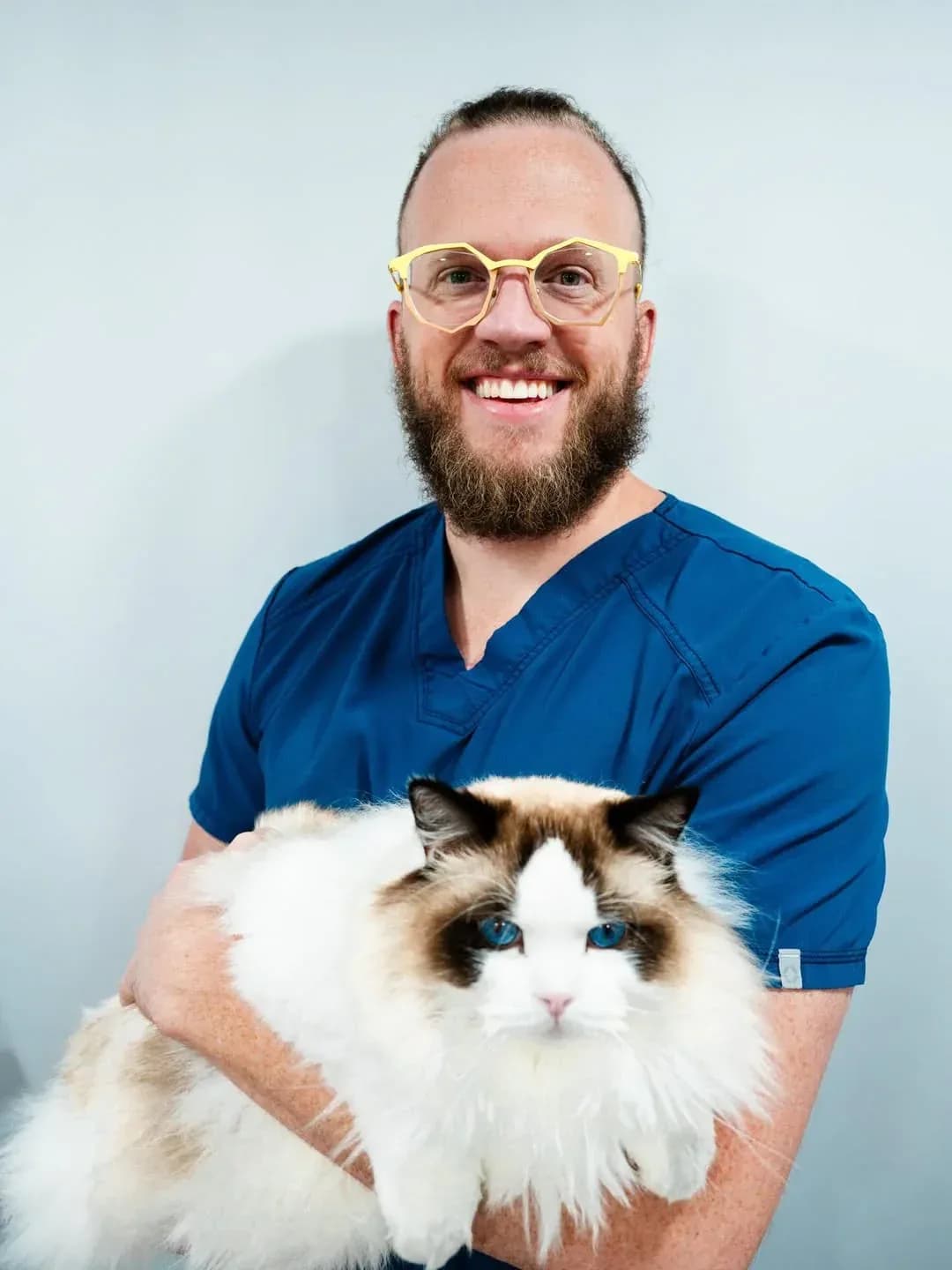
Ask A Vet articles are written by Dr Duncan Houston BVSc, a practising veterinarian, unless another author is named in the byline.