


Vet 2025 Guide: Why Is My Cat Eating Litter? — Vet‑Led Insights on Pica, Health & Redirection 🐱💡
By Dr Duncan Houston, BVSc — Professional Veterinarian & Founder 💙 It’s alarming to see your cat nibbling on litter, but this behavior is more common than you might think. In veterinary terms, ingesting non‐food items is called **pica**. In 2025, vets recognize litter‐eating as a possible sign of underlying medical conditions—such as anemia, nutrient deficiency, or kidney disease—as well as stress, boredom, or simple curiosity. This guide explores the causes, assessment, and vet‐led solutions to ensure your cat’s safety and emotional wellness.
🔍 1. What Is Cat Litter Pica?
Pica describes the compulsion to eat non‐nutritive substances—like fabric, plastic—or litter :contentReference[oaicite:3]{index=3}. Kittens might try it out of curiosity, but in adult cats, it often signals deeper issues.
📚 2. Common Causes Behind Litter Eating
- Curiosity or play: Young kittens often explore litter while learning their box habits :contentReference[oaicite:4]{index=4}.
- Food‐based litter appeal: Natural litters (corn, wheat, walnut) may smell or taste edible :contentReference[oaicite:5]{index=5}.
- Nutritional deficiency: Vets suspect nutrient needs when cats eat clay litter rich in minerals :contentReference[oaicite:6]{index=6}.
- Anemia or chronic disease: Conditions like anemia, kidney disease, or feline leukemia can trigger litter eating :contentReference[oaicite:7]{index=7}.
- Stress or anxiety: Pica may manifest during household changes or stress :contentReference[oaicite:8]{index=8}.
- Behavioral compulsion: Chronic pica may persist even after stress resolution :contentReference[oaicite:9]{index=9}.
⚠️ 3. Why It’s Concerning
- Gastrointestinal blockage: Clay litters expand and harden, risking obstruction :contentReference[oaicite:10]{index=10}.
- Toxic exposure: Spoiled plant-based litters may harbor toxins like aflatoxins :contentReference[oaicite:11]{index=11}.
- Nutrient imbalance: Cats eating litter might be compensating for dietary inadequacies :contentReference[oaicite:12]{index=12}.
🔬 4. Vet‑Led Diagnostic Checklist
- Physical exam: assess body condition, gums (anemia indicator), hydration.
- Bloodwork/urine: CBC, renal values, FeLV/FIV tests :contentReference[oaicite:13]{index=13}.
- Fecal exam: rule out parasites causing pica.
- Nutritional assessment: review diet quality with vet.
Vet‑Led Tip: Sudden onset pica always warrants immediate veterinary attention; for chronic cases, explore both medical and behavioral factors.
✅ 5. Behavior & Environment Solutions
- Swap litter type: Choose non‐clumping, non‐food-based litters (e.g., paper, wood pellets).
- Provide safe chewing options: Cat grass, dental chews, and rubber toys ease oral fixation :contentReference[oaicite:14]{index=14}.
- Enrichment & play: Counter boredom with interactive toys, puzzle feeders, regular play sessions.
- Stress reduction: Use pheromone diffusers, safe zones, and maintain routines.
- Supervised litter time: Call the cat out when they sniff or chew, then redirect to play or treats :contentReference[oaicite:15]{index=15}.
- Monitor & log: Use Ask A Vet app to record litter‐eating instances and triggers.
📋 6. Case Study: “Sammy’s Mineral Craving”
Scenario: 5‑year‑old Sammy began eating clay litter after a diet switch.
Vet Findings: Mild anemia and magnesium deficiency identified.
Plan: High‑quality diet supplement, non‐clumping paper litter, added enrichment and grass pot.
Result: Sammy stopped eating litter in 10 days, stayed healthy and engaged.
🌟 7. Why This Matters in 2025
- Holistic vet care: Links behavior, environment, and medical insight for cat wellness.
- Prevents serious risks: Blocks, nutrient deficiency, or toxins caught early.
- Strong owner‑vet partnership: Behavior logs aid tailored interventions.
- Enriched lifestyle: A well-supported cat is healthier, happier, and shows fewer destructive habits.
Addressing litter eating swiftly and with vet‑led care protects your cat’s wellbeing and helps rebuild safe, enjoyable litter habits. 🐾
Notice your cat eating litter? Visit AskAVet.com or download the Ask A Vet app 📱 to share videos or behavior logs and receive personalized vet‑led advice for safe, happy litter habits in 2025 and beyond. 💙🐱
This article is general veterinary education and does not diagnose or treat an individual animal. Always confirm medication names, doses and interactions with the veterinarian who knows your pet.
If your animal is struggling to breathe, collapsed, bleeding heavily, seizing, or has eaten something toxic, contact your vet or the nearest emergency clinic now.
Animal Poisons Helpline (AU) 1300 869 738 · Animal Poisons Helpline (NZ) 0800 869 738 · ASPCA Animal Poison Control (US) (888) 426-4435
More from Ask A Vet
For everyday pet care, one scan or tap of the smart pet ID tag opens your pet's free profile on any phone, no app needed; the GPS pet tracker logs live location and activity trends; and the Ask A Vet app keeps your pet's records and routines together.
 Hanging QR & NFC Pet ID TagView ID Tag
The ASK A VET™ Smart ID Tag is a QR scan or NFC tap on any phone, no app needed, with a free profile you can update anytime.
 Dog & Cat GPS Tracker for Their CollarView tracker
The ASK A VET™ Tracker logs live location and activity trends, so a change in routine never goes unnoticed.
 Talk to a Vet Online: The Ask A Vet AppExplore the app
Ask questions, speak with vets, and keep your pet's records and routines together with Ask A Vet.
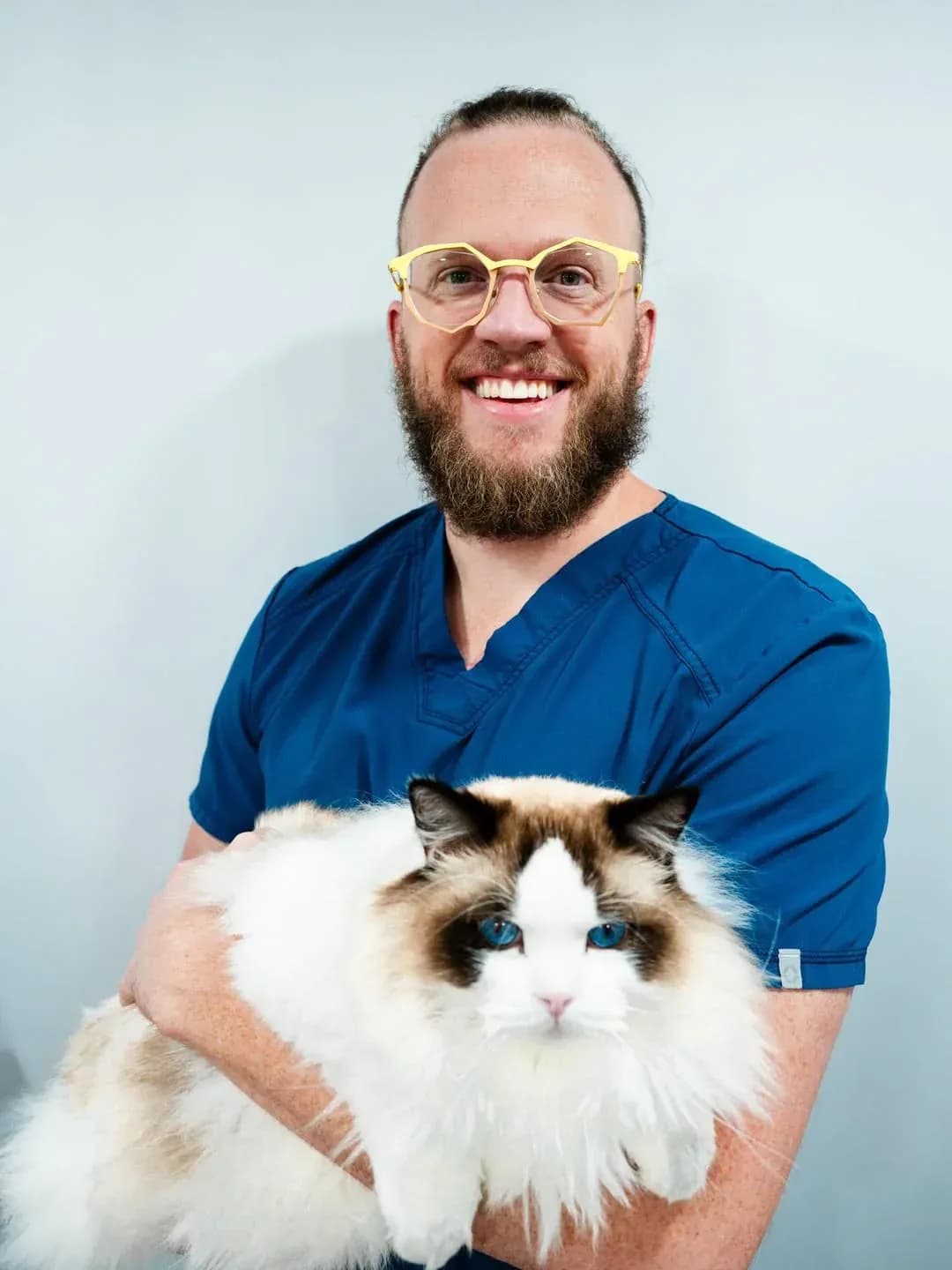
Ask A Vet articles are written by Dr Duncan Houston BVSc, a practising veterinarian, unless another author is named in the byline.