


By Dr Duncan Houston
A tight clump of fur can pull on the skin with every movement. Matting is therefore a comfort and skin-health issue, even when the coat looks tidy from a distance.
Quick Answer
Small loose tangles may be manageable with gentle routine grooming, but tight mats against the skin need professional assessment. Do not cut them with scissors, yank them apart or force a distressed pet to tolerate brushing. Contact your vet for pain, sores, odour, wet skin or sudden loss of self-grooming. Severe matting may require clipping with appropriate pain relief or sedation.
Why mats develop
Loose hair can become trapped and compacted through friction, moisture and movement. Common areas include behind ears, under collars or harnesses, armpits and around the rear. Long, dense and curly coats often need frequent attention, but any pet can develop local tangles.
Reduced grooming can also reflect arthritis, dental pain, obesity or illness, particularly in cats. AAHA's senior assessment guidance supports looking at comfort and physical function when daily habits change.
Decide what kind of help is needed
| Finding | Next step |
|---|---|
| Loose surface tangle, comfortable pet, normal skin | Try a brief gentle grooming session and stop at resistance |
| Dense mat close to skin or a broad felted coat | Arrange professional removal; do not pull or cut |
| Pain, sores, swelling, urine or faecal contamination | Contact your vet promptly |
| Maggots, major bleeding, severe weakness or inability to pass urine | Seek urgent veterinary care |
Why scissors are dangerous
Skin can be drawn into a mat and hidden within it. What appears to be a gap between fur and skin may not be safe. Even rounded scissors can cause a serious cut if the animal moves.
Cats Protection advises veterinary help for matted cats and warns against trying to brush or cut out tight knots. Clippers also require skill; guards do not eliminate the risk of injury.
For a loose tangle, keep the session gentle
- Choose a quiet place with secure footing.
- Let your pet settle and briefly inspect the area without pulling.
- Use a tool suited to the coat and work only where it moves comfortably.
- Reward cooperation and take breaks.
- Stop if the tangle is fixed, the skin cannot be seen safely, or your pet flinches, struggles or tries to leave.
A product labelled for dogs may be unsuitable for cats. Avoid household oils, solvents or unverified detanglers, and follow species-specific instructions. Soaking or vigorous rubbing can make existing matting more difficult to manage.
What professional care involves
A groomer may help with an otherwise comfortable dog's routine coat management. A painful pet, a heavily matted cat or an animal with skin disease should first be assessed by a vet. Removal may reveal inflammation or wounds that need treatment.
Discuss the shortest comfortable procedure, whether sedation is appropriate and how the skin will be protected afterwards. Coat length is secondary to welfare. Never give a sedative from another pet or an old prescription without advice.
Build a prevention routine that fits the coat
PDSA's grooming guidance emphasises different needs for different coat types. Ask for a demonstration of brushing and combing through the coat without scraping skin, rather than brushing only the top layer.
Check friction areas regularly, keep bedding clean and deal with wet or soiled fur promptly. Dry gently and avoid hot air or unattended dryers. A manageable professional trim may be more comfortable than maintaining a long coat that repeatedly mats.
RSPCA cat grooming guidance supports regular gentle care and attention to skin changes. Short sessions are preferable to a prolonged struggle.
Common mistakes
Avoid treating matting as purely cosmetic, blaming a pet for resisting painful brushing, or assuming every breed needs the same appointment interval. Sudden recurrent mats despite a good routine deserve a health review.
Frequently asked questions
Can short-haired pets get mats?
Yes, particularly with trapped loose hair, soiling or reduced grooming.
Will bathing remove a tight mat?
No. Ask for advice before bathing a matted coat.
Does every matted pet need sedation?
No. The decision depends on extent, pain, health and handling tolerance.
Can I simply leave the mat until it sheds?
Do not rely on that. Tight mats can persist and worsen.
Early help usually makes coat care easier. Aim for comfortable skin and a routine your pet can tolerate.
Explore ASK A VET™ for support preparing grooming and skin-care questions.
This article is general veterinary education and does not diagnose or treat an individual animal. Always confirm medication names, doses and interactions with the veterinarian who knows your pet.
If your animal is struggling to breathe, collapsed, bleeding heavily, seizing, or has eaten something toxic, contact your vet or the nearest emergency clinic now.
Animal Poisons Helpline (AU) 1300 869 738 · Animal Poisons Helpline (NZ) 0800 869 738 · ASPCA Animal Poison Control (US) (888) 426-4435
More from Ask A Vet
For everyday pet care, one scan or tap of the smart pet ID tag opens your pet's free profile on any phone, no app needed; the GPS pet tracker logs live location and activity trends; and the Ask A Vet app keeps your pet's records and routines together.
 Hanging QR & NFC Pet ID TagView ID Tag
The ASK A VET™ Smart ID Tag is a QR scan or NFC tap on any phone, no app needed, with a free profile you can update anytime.
 Dog & Cat GPS Tracker for Their CollarView tracker
The ASK A VET™ Tracker logs live location and activity trends, so a change in routine never goes unnoticed.
 Talk to a Vet Online: The Ask A Vet AppExplore the app
Ask questions, speak with vets, and keep your pet's records and routines together with Ask A Vet.
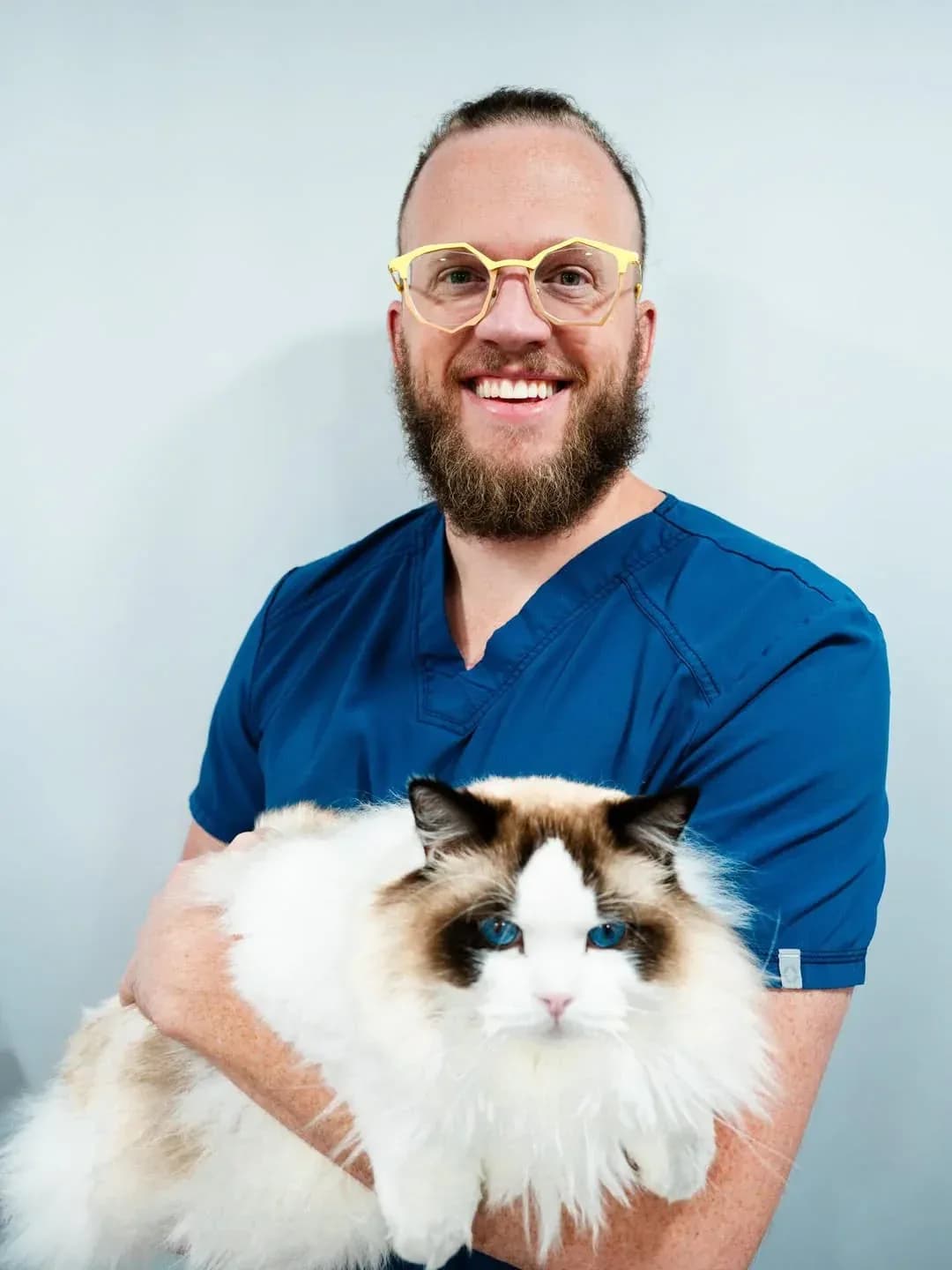
Ask A Vet articles are written by Dr Duncan Houston BVSc, a practising veterinarian, unless another author is named in the byline.