


By Dr Duncan Houston
A harness can make walks more manageable, but the words no-pull do not guarantee a comfortable fit or a dog who has learned to walk on a loose lead. Choose equipment by how it works on your individual dog, then pair it with clear, rewarding practice.
Quick Answer
A well-fitted harness can reduce pressure on the neck and help you manage a dog who pulls. Front attachments may redirect the body, while back attachments change how lead tension is applied. No harness is automatically injury-proof or a substitute for training; check freedom of movement, security and skin comfort.
Understand the design
| Feature | Potential use | What to watch |
|---|---|---|
| Front lead attachment | May help redirect forward pulling | Twisting, straps crossing the legs or altered movement |
| Back attachment | Everyday walking or appropriate long-line use | May provide less directional control for a strong puller |
| Two attachment points | Allows more than one handling option | Extra lead management and correct fitting |
| Tightening components | Marketed as discouraging pulling | Pressure, pinching or discomfort; avoid relying on pain to stop pulling |
Labels such as ergonomic or non-restrictive are not enough on their own. Body shape, strap placement and movement under tension all matter.
Check fit while standing and moving
- Measure according to the manufacturer's size guide and adjust all available straps.
- Keep pressure away from the throat and avoid straps rubbing behind the front legs.
- Check that the harness stays centred without cutting in or hanging loosely.
- Watch the dog walk, turn, sit and lower their head.
- Check carefully that they cannot back out, without deliberately frightening or pulling them.
A finger-gap check is only a starting point, not proof of safety. Recheck growing puppies and dogs whose weight or coat changes. Inspect clips, stitching and attachment rings for damage before walks.
Introduce it without a struggle
Let your dog investigate the harness, then reward brief contact. Build gradually towards putting the head through or fastening straps, depending on the design. If the dog freezes, scratches repeatedly or moves awkwardly, pause and reassess fit and training.
Do not force the harness over a worried dog's head each day. A different design may help, and sudden handling resistance should prompt consideration of pain.
Teach loose-lead walking
Begin in a quiet space. Reward a slack lead and voluntary attention after just a few steps, then release the dog to sniff. If tension builds, pause or change direction gently when safe, and reward renewed slack. Increase distractions gradually.
The dog does not need to remain in a strict heel position throughout every walk. Allow comfortable exploration within the lead's range. If pulling is driven by fear or frustration, create distance from the trigger rather than repeatedly stopping close to it.
Safety limits and common mistakes
A walking harness is not automatically approved for car restraint, lifting or pulling sports. Use equipment designed and fitted for the intended task. Avoid attaching a long line to a front point in a way that twists the dog when they reach its end.
Stop using equipment that causes sores, coughing, limping or changed movement and seek advice. A dog who can pull the handler over needs a safer management plan and qualified support. Harnesses do not establish that a reactive dog can safely greet others.
Frequently asked questions
Will a harness teach my dog to pull?
Learning depends on what happens during walks. Rewarding slack lead and managing access to interesting places remains important.
Is a front clip right for every dog?
No. Fit, movement, medical needs and handling requirements differ.
Can my dog wear it all day?
Remove unnecessary equipment during unsupervised rest to reduce rubbing and snagging risk, unless there is a specific supervised care reason.
The useful harness is the one that stays secure, allows comfortable movement and supports a practical training plan.
Further reading
For more practical guidance on caring for your dog, explore ASK A VET™. If your dog needs urgent treatment, contact your veterinary clinic directly.
This article is general veterinary education and does not diagnose or treat an individual animal. Always confirm medication names, doses and interactions with the veterinarian who knows your pet.
If your animal is struggling to breathe, collapsed, bleeding heavily, seizing, or has eaten something toxic, contact your vet or the nearest emergency clinic now.
Animal Poisons Helpline (AU) 1300 869 738 · Animal Poisons Helpline (NZ) 0800 869 738 · ASPCA Animal Poison Control (US) (888) 426-4435
More from Ask A Vet
For everyday pet care, one scan or tap of the smart pet ID tag opens your pet's free profile on any phone, no app needed; the GPS pet tracker logs live location and activity trends; and the Ask A Vet app keeps your pet's records and routines together.
 Hanging QR & NFC Pet ID TagView ID Tag
The ASK A VET™ Smart ID Tag is a QR scan or NFC tap on any phone, no app needed, with a free profile you can update anytime.
 GPS Pet Tracker for Dogs and CatsView tracker
The ASK A VET™ Tracker logs live location and activity trends, so a change in routine never goes unnoticed.
 Talk to a Vet Online: The Ask A Vet AppExplore the app
Ask questions, speak with vets, and keep your pet's records and routines together with Ask A Vet.
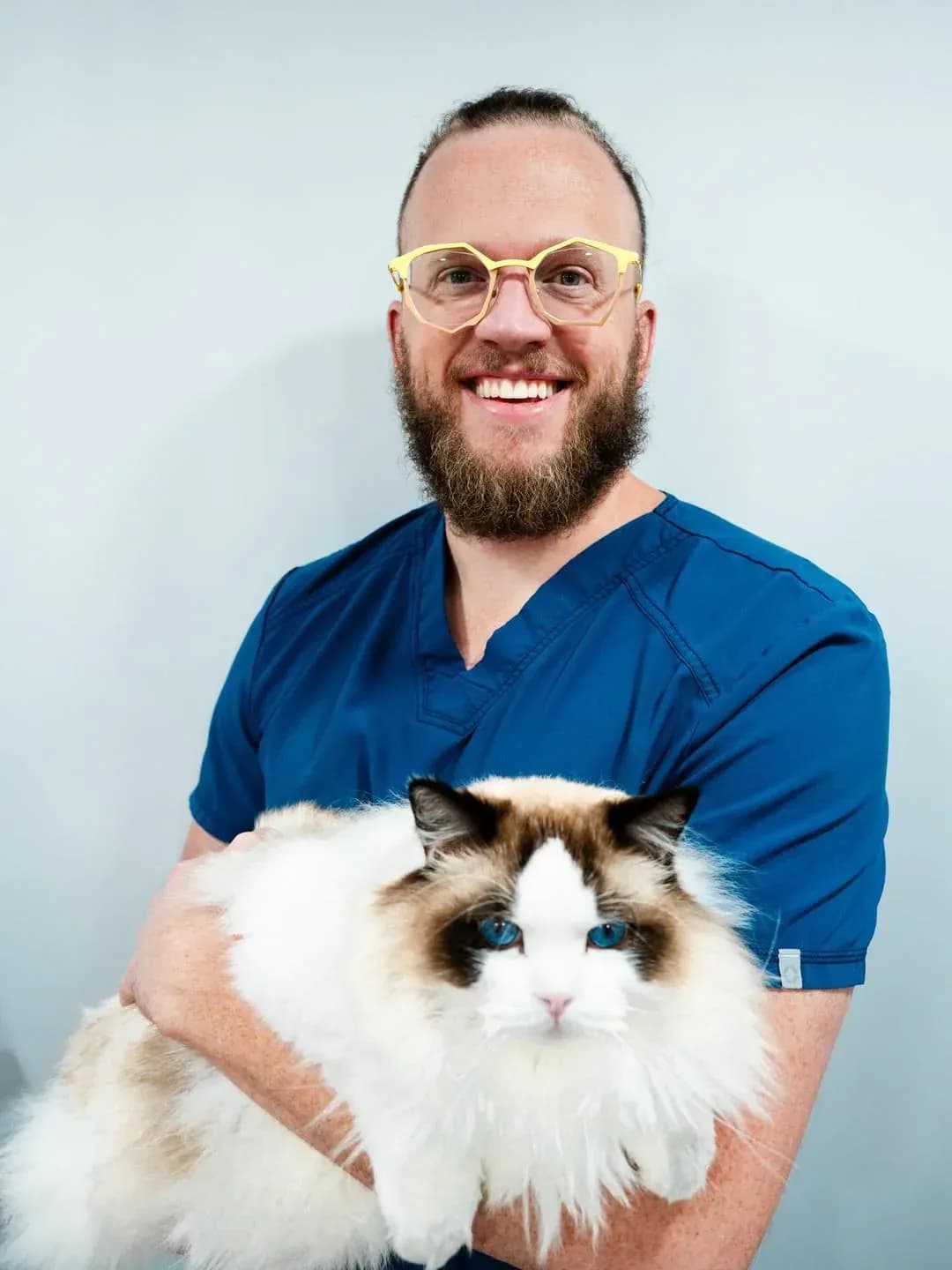
Ask A Vet articles are written by Dr Duncan Houston BVSc, a practising veterinarian, unless another author is named in the byline.