


Vet-Approved Guide: Prebiotics, Probiotics, and Postbiotics—What’s the Difference? 🦠🐶🐱
Written in the veterinary voice of Dr Duncan Houston BVSc 🩺🐾
Gut health has become one of the most talked-about topics in pet wellness—and for good reason 🐾💚. As a veterinarian, I see daily how closely digestion, immunity, skin health, behavior, and overall vitality are connected to the health of the gut.
Pet parents are increasingly encountering terms like prebiotics, probiotics, and postbiotics 🦠✨. While they sound similar, they play very different roles inside your pet’s body. Understanding these differences empowers you to make smarter, more confident choices when supporting your pet’s digestive and immune health.
This vet-approved guide explains what prebiotics, probiotics, and postbiotics are, how they work, how they differ, and how they support whole-body health in dogs and cats 🐶🐱.
Why Gut Health Matters So Much 🧠🫃
Your pet’s gut is far more than a digestion tube—it’s a complex ecosystem responsible for:
- 🫃 Digesting and absorbing nutrients
- 🛡️ Supporting immune defenses
- 🧠 Influencing mood and behavior
- ✨ Supporting skin and coat health
More than half of your pet’s immune system is closely linked to the gut 🛡️. When the gut microbiome is balanced, pets are more resilient, energetic, and comfortable. When it’s disrupted, problems can appear far beyond the digestive tract.
The Gut Microbiome Explained 🦠🌱
::contentReference[oaicite:0]{index=0}The gut microbiome refers to the trillions of microorganisms living in your pet’s digestive tract 🦠. This includes beneficial bacteria, neutral organisms, and potentially harmful microbes.
In a healthy gut, beneficial bacteria dominate, keeping harmful microbes in check. This balance is influenced by diet, stress, medications, environment, age, and overall health.
Prebiotics, probiotics, and postbiotics all support this ecosystem—but in different ways.
What Are Probiotics? 🦠🐾
Probiotics are live beneficial microorganisms that help populate the gut with healthy bacteria 🦠✨.
How Probiotics Work
- 🦠 Add beneficial bacteria to the gut
- ⚖️ Help restore microbial balance
- 🛡️ Support immune defenses
Probiotics are especially helpful after:
- 💊 Antibiotic use
- 😟 Stressful events
- 🤢 Digestive upset
Vet Insight 🩺: Not all probiotics survive digestion—quality, strain selection, and dosing matter.
Benefits of Probiotics for Pets 🐶🐱
When chosen correctly, probiotics can support:
- 💩 Healthy stool consistency
- 🛡️ Immune system balance
- ✨ Skin and coat health
- 😺 Improved appetite and comfort
Probiotics are living organisms, which means they require careful handling and storage to remain effective.
What Are Prebiotics? 🌿🦠
Prebiotics are non-digestible fibers that act as food for beneficial gut bacteria 🌿.
Instead of adding new bacteria, prebiotics help existing beneficial microbes thrive.
How Prebiotics Work
- 🌿 Feed beneficial bacteria
- 📈 Encourage healthy bacterial growth
- ⚖️ Improve microbiome stability
Common sources include plant fibers and naturally occurring compounds that reach the colon intact.
Benefits of Prebiotics for Pets 🌱🐾
Prebiotics support gut health by strengthening the foundation of the microbiome.
- 🫃 Improve digestion efficiency
- 🛡️ Enhance immune resilience
- 💩 Promote regular bowel movements
- 🧠 Support the gut–brain connection
Because prebiotics are not alive, they are generally stable and gentle.
What Are Postbiotics? ⚡🦠
::contentReference[oaicite:1]{index=1}Postbiotics are the beneficial compounds produced by probiotic bacteria during fermentation ⚡.
These include:
- ⚡ Short-chain fatty acids
- 🧬 Enzymes
- 🛡️ Antimicrobial peptides
Postbiotics deliver benefits without introducing live bacteria, making them especially stable and predictable.
Benefits of Postbiotics for Pets 🐾✨
Postbiotics support health by acting directly on the gut lining and immune system.
- 🛡️ Strengthen gut barrier integrity
- 🔥 Reduce inflammation
- 🧠 Support immune signaling
- 🫃 Improve digestive comfort
Because they are not alive, postbiotics are not affected by stomach acid or storage conditions.
Prebiotics vs Probiotics vs Postbiotics ⚖️🦠
Although related, these three play distinct roles.
- 🦠 Probiotics: Add beneficial bacteria
- 🌿 Prebiotics: Feed beneficial bacteria
- ⚡ Postbiotics: Deliver beneficial bacterial byproducts
Think of it this way:
- 🐝 Probiotics = the bees
- 🌼 Prebiotics = the flowers
- 🍯 Postbiotics = the honey
Each plays a unique and valuable role.
Dogs vs Cats: Gut Health Differences 🐶🐱
Dogs and cats both benefit from microbiome support, but their digestive systems differ.
Dogs 🐶
- More adaptable gut microbiomes
- Often respond quickly to probiotics
Cats 🐱
- More sensitive digestion
- Benefit from gentle, stable support
Choosing species-appropriate formulas is essential.
When Each Type Is Most Helpful ⏳🐾
- 🦠 Probiotics: After antibiotics, stress, illness
- 🌿 Prebiotics: Long-term digestive balance
- ⚡ Postbiotics: Immune and gut barrier support
Many modern supplements combine more than one for layered support.
Safety and Tolerance 🛡️🐾
Gut-support supplements are generally safe when used appropriately.
- ✅ Start slowly
- ✅ Monitor stool and appetite
- ✅ Choose high-quality products
Vet Tip 🩺: Loose stools at the start usually resolve as the gut adjusts.
How to Choose the Right Gut Support 🏷️🦠
Not all supplements are created equal.
- 🔍 Transparent labeling
- 🌿 Thoughtful ingredient selection
- 🐾 Species-specific formulas
A balanced approach often works better than relying on a single ingredient.
When to Ask for Professional Guidance 📲🩺
If your pet has ongoing digestive issues, allergies, or immune concerns, professional advice is important.
AskAVet.com allows you to get personalized guidance tailored to your pet’s needs 📲🐾.
The Ask A Vet app helps you:
- 📸 Share supplement labels
- 🕒 Get clear, timely advice
- 🐶🐱 Support gut health with confidence
Final Thoughts: Building a Healthier Gut From the Inside Out 🦠💚
Prebiotics, probiotics, and postbiotics are powerful tools when used correctly 🦠✨.
By understanding how each works, you can build a smarter, more effective gut health strategy that supports digestion, immunity, and overall wellbeing.
Dr Duncan Houston BVSc 🩺 believes gut health is one of the most impactful areas of preventive pet care.
For expert reassurance and tailored support, visit AskAVet.com and download the Ask A Vet app today 📲🐾.
Because a healthy gut helps your pet thrive—from the inside out 🐶🐱✨.
This article is general veterinary education and does not diagnose or treat an individual animal. Always confirm medication names, doses and interactions with the veterinarian who knows your pet.
If your animal is struggling to breathe, collapsed, bleeding heavily, seizing, or has eaten something toxic, contact your vet or the nearest emergency clinic now.
Animal Poisons Helpline (AU) 1300 869 738 · Animal Poisons Helpline (NZ) 0800 869 738 · ASPCA Animal Poison Control (US) (888) 426-4435
More from Ask A Vet
For everyday pet care, one scan or tap of the smart pet ID tag opens your pet's free profile on any phone, no app needed; the GPS pet tracker logs live location and activity trends; and the Ask A Vet app keeps your pet's records and routines together.
 QR Code Dog & Cat ID Tag with NFC, HangingView ID Tag
The ASK A VET™ Smart ID Tag is a QR scan or NFC tap on any phone, no app needed, with a free profile you can update anytime.
 Dog & Cat GPS Tracker for Their CollarView tracker
The ASK A VET™ Tracker logs live location and activity trends, so a change in routine never goes unnoticed.
 Talk to a Vet Online: The Ask A Vet AppExplore the app
Ask questions, speak with vets, and keep your pet's records and routines together with Ask A Vet.
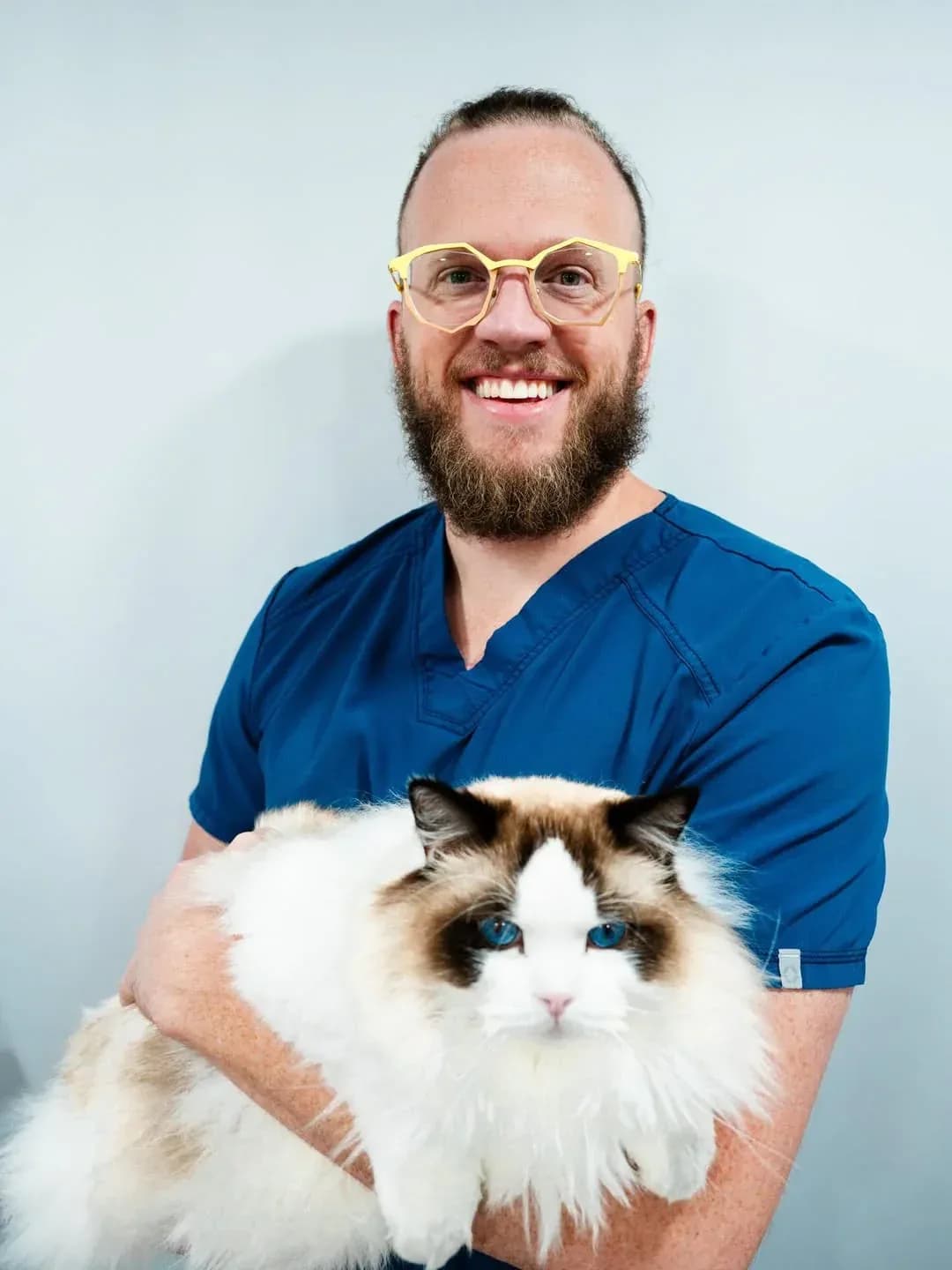
Ask A Vet articles are written by Dr Duncan Houston BVSc, a practising veterinarian, unless another author is named in the byline.