


Vet-Approved Guide: Superfoods for Pets – Myth or Reality? 🥦🐾
Written in the veterinary voice of Dr Duncan Houston BVSc 🩺🐶🐱
“Superfood” is one of the most popular buzzwords in modern nutrition 🥦✨. From smoothies and supplements to pet foods and treats, the term is everywhere—often promising incredible health benefits from a single ingredient.
As a veterinarian, I’m frequently asked questions like: Do pets really need superfoods? Are they actually beneficial? Or is this just clever marketing?
The honest answer is this: superfoods are both a myth and a reality—depending on how they’re used, understood, and integrated into a pet’s overall diet.
This vet-approved guide breaks down what superfoods really are, which ones can genuinely support pet health, which claims are exaggerated, and how to use whole foods safely and effectively without falling for nutritional hype 🐾💚.
What Does “Superfood” Actually Mean? 🤔🥦
There is no official scientific definition of a superfood.
In most cases, the term refers to foods that are:
- 🌿 Nutrient-dense
- 🧬 Rich in antioxidants
- 🛡️ Supportive of specific body systems
While many so-called superfoods are healthy, the term itself is largely a marketing label rather than a medical classification.
Vet Insight 🩺: No single food can replace a balanced, species-appropriate diet.
The Biggest Superfood Myth ❌🐾
The most common misconception is that adding a “superfood” can fix poor nutrition.
In reality:
- 🥣 A complete diet matters more than individual ingredients
- ⚖️ Balance always outweighs novelty
- 🧠 Overuse of trendy foods can create imbalances
Superfoods are best viewed as supporting players—not miracle cures.
Whole Foods vs Superfood Hype 🌿⚖️
Many superfoods are simply whole foods with strong nutrient profiles.
Examples include:
- 🥦 Vegetables rich in antioxidants
- 🐟 Fish rich in omega-3s
- 🫐 Fruits containing polyphenols
These foods can be beneficial—but only when used appropriately for the species.
Dogs vs Cats: Superfood Use Is Not the Same 🐶🐱
This is where pet nutrition differs dramatically from human trends.
Dogs 🐶
- Omnivores with carnivorous bias
- Can utilize some plant nutrients
- Tolerate a wider variety of whole foods
Cats 🐱
- Obligate carnivores
- Require animal-based nutrition
- Limited ability to process plant matter
Vet Tip 🩺: A “superfood” for humans may be unnecessary—or inappropriate—for pets.
Common Superfoods for Pets: Reality Check 🥦🐾
::contentReference[oaicite:0]{index=0}Let’s look at some of the most commonly discussed pet “superfoods” and what they actually do.
Pumpkin 🎃
Claim: Digestive miracle
Reality: Pumpkin is a gentle fiber source that can support stool consistency in some pets.
- ✅ Helpful for mild constipation or loose stools
- ⚠️ Not a cure for chronic digestive disease
Used in small amounts, pumpkin can be beneficial—but more is not better.
Blueberries 🫐
Claim: Antioxidant powerhouse
Reality: Blueberries contain antioxidants that may support cellular health—primarily in dogs.
- 🐶 Safe for dogs in moderation
- 🐱 Largely unnecessary for cats
They should never replace animal-based nutrition.
Salmon & Fish 🐟
Claim: Coat, brain, and joint support
Reality: This is one of the most evidence-supported “superfoods.”
- 🐟 Rich in omega-3 fatty acids
- 🦴 Supports joints and inflammation balance
- ✨ Improves skin and coat health
Fish-based nutrition is far more relevant than most plant-based superfoods.
Kale & Leafy Greens 🥬
Claim: Detox and immune support
Reality: These foods are often unnecessary and sometimes problematic.
- 🐶 Small amounts may be tolerated
- 🐱 Not biologically required
- ⚠️ Can interfere with mineral balance if overused
Leafy greens are far from essential in pet diets.
Turmeric 🌿
Claim: Anti-inflammatory powerhouse
Reality: Turmeric contains compounds that influence inflammation, but:
- ⚠️ Bioavailability is low without proper formulation
- ⚖️ Incorrect dosing can cause digestive upset
Turmeric should never be added casually without professional guidance.
Chia Seeds & Flax 🌱
Claim: Omega-3 support
Reality: These contain plant-based omega-3s that pets convert poorly.
- 🐶 Limited benefit
- 🐱 Minimal value
Fish-based sources are far superior.
Organ Meats: The True “Superfood” 🥩✨
Ironically, one of the most powerful superfoods for pets isn’t trendy at all.
Organ meats provide:
- 🧬 Bioavailable vitamins and minerals
- 🛡️ Immune-supporting nutrients
- 🧠 Essential amino acids
When included appropriately, organ meats are far more impactful than most plant-based superfoods.
The Danger of Superfood Overload ⚠️🐾
More is not better when it comes to nutrition.
Overusing superfoods can lead to:
- ⚖️ Nutrient imbalances
- 🫃 Digestive upset
- 🧠 False sense of dietary security
Pets need consistency—not constant novelty.
Supplements vs Whole Foods 🌿🧪
Whole foods and supplements serve different purposes.
- 🥦 Whole foods: gentle, low-dose support
- 🧪 Supplements: targeted, measured nutrition
Using both strategically is often more effective than relying on either alone.
How to Use Superfoods Safely 🛡️🐾
If you choose to include superfoods, follow these principles:
- ⚖️ Use small amounts
- 🥣 Never replace balanced meals
- 🐶🐱 Choose species-appropriate options
- 🕒 Introduce slowly
Vet Tip 🩺: Treat superfoods like supplements—not staples.
When Superfoods Make Sense ✅🐾
Superfoods may be useful when:
- 🐾 Supporting mild digestive issues
- ✨ Enhancing skin and coat health
- 🦴 Supporting joints and aging pets
They should always complement a solid nutritional foundation.
When Superfoods Are a Red Flag 🚩🐾
Be cautious if you see:
- ❗ Claims of “complete nutrition” from one ingredient
- ❗ Diets heavy on plant matter for cats
- ❗ Marketing without transparency
Health doesn’t come from buzzwords—it comes from balance.
When to Seek Professional Guidance 📲🩺
If you’re considering adding superfoods or supplements to your pet’s diet, professional advice is invaluable.
AskAVet.com provides convenient access to veterinary guidance 📲🐾.
The Ask A Vet app allows you to:
- 📸 Share ingredient labels
- 🕒 Get personalized nutrition advice
- 🐶🐱 Avoid unnecessary risks
Final Thoughts: Superfoods Are Tools, Not Magic 🥦💚
Superfoods aren’t inherently bad—but they’re often misunderstood 🐾✨.
When used wisely, certain whole foods can support digestion, skin, joints, and immunity. When overused or misapplied, they can distract from what truly matters: a balanced, species-appropriate diet.
Dr Duncan Houston BVSc 🩺 believes real pet nutrition isn’t about trends—it’s about consistency, quality, and understanding biology.
For expert reassurance and personalized guidance, visit AskAVet.com and download the Ask A Vet app today 📲🐾.
Because the healthiest pets aren’t chasing superfoods—they’re supported by smart, balanced care 🐶🐱✨.
This article is general veterinary education and does not diagnose or treat an individual animal. Always confirm medication names, doses and interactions with the veterinarian who knows your pet.
If your animal is struggling to breathe, collapsed, bleeding heavily, seizing, or has eaten something toxic, contact your vet or the nearest emergency clinic now.
Animal Poisons Helpline (AU) 1300 869 738 · Animal Poisons Helpline (NZ) 0800 869 738 · ASPCA Animal Poison Control (US) (888) 426-4435
More from Ask A Vet
For everyday pet care, one scan or tap of the smart pet ID tag opens your pet's free profile on any phone, no app needed; the GPS pet tracker logs live location and activity trends; and the Ask A Vet app keeps your pet's records and routines together.
 Hanging QR & NFC Pet ID TagView ID Tag
The ASK A VET™ Smart ID Tag is a QR scan or NFC tap on any phone, no app needed, with a free profile you can update anytime.
 Dog & Cat GPS Tracker for Their CollarView tracker
The ASK A VET™ Tracker logs live location and activity trends, so a change in routine never goes unnoticed.
 Talk to a Vet Online: The Ask A Vet AppExplore the app
Ask questions, speak with vets, and keep your pet's records and routines together with Ask A Vet.
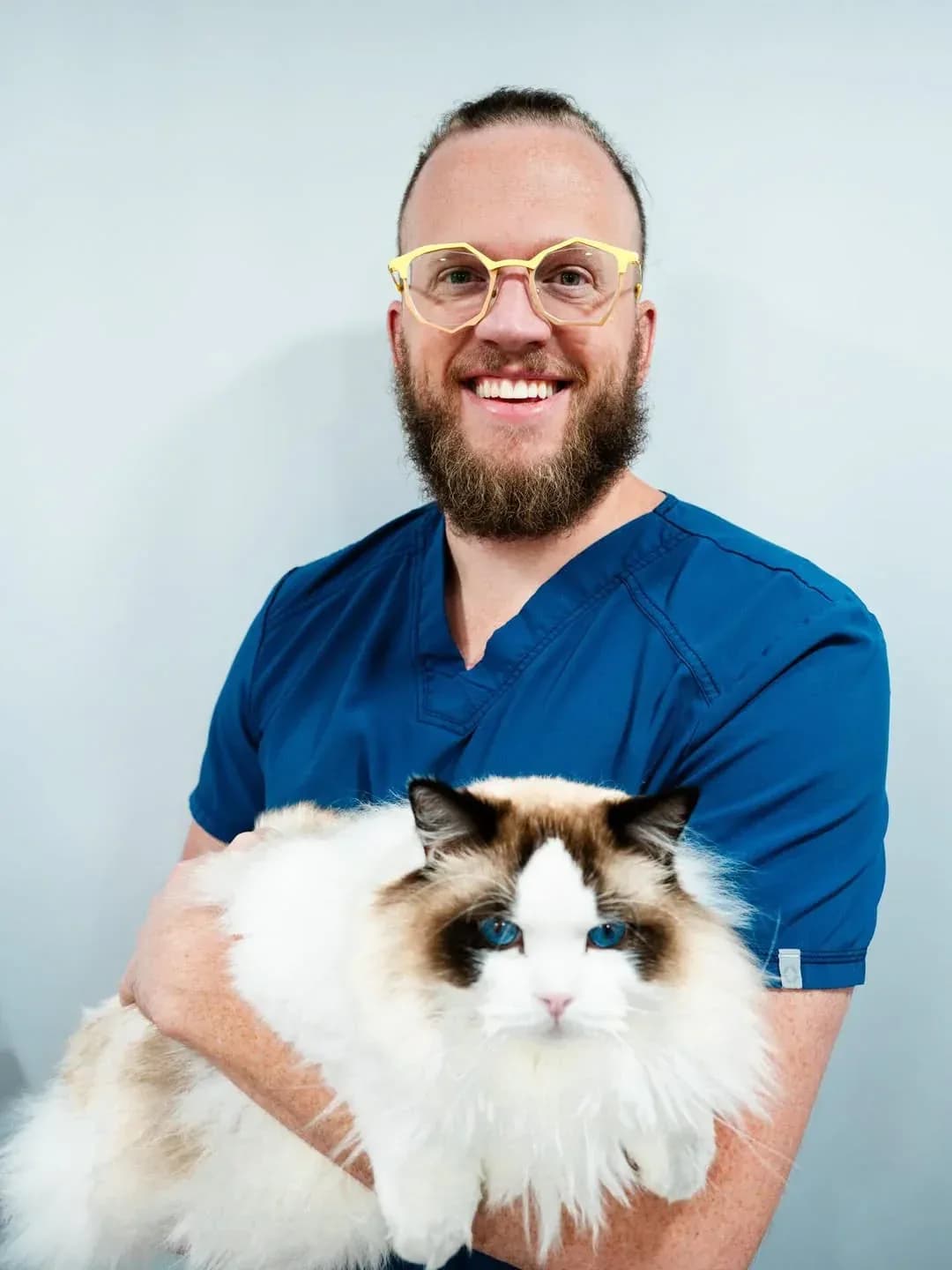
Ask A Vet articles are written by Dr Duncan Houston BVSc, a practising veterinarian, unless another author is named in the byline.