


By Dr Duncan Houston
The loss of a small pet can leave a surprisingly large space in everyday life. Feeding sounds, familiar routines and a quiet place in the enclosure can all bring the loss into focus. The size or lifespan of the animal does not measure the importance of the relationship.
Whether your companion died suddenly or after a period of illness, you may be managing practical decisions while feeling shocked, sad or uncertain. You do not need to work through everything at once.
Quick Answer
Grief after losing a small pet is real, and there is no single timetable for recovery. Ask your veterinary team about aftercare and any health concerns for surviving animals, and seek support from people who understand the bond. A surviving rabbit or guinea pig that stops eating needs prompt veterinary attention rather than an assumption that grief alone explains it.
Making room for different feelings
Sadness, numbness, anger, relief after a difficult illness and guilt can occur together or change from day to day. You might feel able to work normally yet find feeding time particularly hard. Another member of the household may respond very differently.
Cornell’s pet-loss resources describe grief as an individual process. There is no requirement to pass through a fixed series of stages or to feel better by a particular date. Allowing a difficult day does not mean that earlier progress has disappeared.
If you are replaying treatment decisions, consider asking the veterinary team for a follow-up conversation. A calm review of what was known at the time can be more useful than repeatedly imagining an outcome that nobody could guarantee.
Practical decisions after a death
Contact the clinic to discuss cremation, burial options and any local requirements. Ask what each service includes, how identification is handled and whether ashes can be returned if that matters to you. Costs and availability vary, so requesting a written explanation is reasonable.
After an unexpected death, ask whether a post-mortem examination could help explain the cause or guide care for other animals. If you want this investigated, obtain instructions promptly about handling and storage before arranging aftercare. Do not assume that every sudden death is infectious, or that another pet is automatically safe.
| Decision or concern | A useful question | Support to seek |
|---|---|---|
| Aftercare arrangements | What options and timeframes are available? | Veterinary team or an established aftercare provider |
| Unexpected death in a shared enclosure | Could surviving animals need examination or testing? | Veterinarian familiar with the species |
| Children asking what happened | What simple, truthful explanation fits their age? | Trusted adults and, if needed, a counsellor |
| Grief disrupting daily functioning | Who can help me manage meals, sleep and responsibilities? | Personal support network and a health professional |
| Considering another pet | Am I ready for a different individual and its needs? | Household discussion and species-specific advice |
Supporting children and other household members
Use clear, gentle language about death. Phrases such as “went to sleep” can confuse young children or make bedtime frightening. Answer the question being asked without adding detail they do not want, and let them know that their feelings are welcome.
A drawing, short letter or shared memory can give children a way to participate. Offer choices rather than requiring a memorial activity. Avoid promising that a new animal will remove the sadness, and do not make one person’s visible reaction the standard for everyone else.
Looking after surviving pets
Keep familiar routines, observe appetite and droppings, and monitor individual animals rather than the shared food bowl alone. Social species may need a carefully planned companionship discussion. The RSPCA’s rabbit companionship guidance explains why suitable rabbit company matters.
However, do not rush an unfamiliar animal straight into the enclosure. Introductions, health checks and quarantine advice depend on the species and situation. A companionship plan appropriate for rabbits is not automatically appropriate for a naturally solitary hamster.
Changes in eating, breathing, posture or toileting can indicate illness. If a rabbit, guinea pig or chinchilla eats less or produces markedly fewer droppings, contact a vet promptly. Severe weakness or breathing difficulty warrants emergency care. Ask the vet before allowing contact with a deceased companion if infection or poisoning is a possibility.
A manageable plan for the coming days
- Choose one person you can contact when the loss feels difficult, and explain what sort of support helps.
- Write down essential aftercare questions so you do not have to remember them during an emotional call.
- Keep basic routines for meals, sleep and any animals still in your care; ask for practical help where needed.
- Decide when to move belongings at your own pace. A temporary storage box is an option if an immediate decision feels too final.
- Consider a memory book, photograph or small ritual if it feels meaningful to you.
Common pressures to avoid
- Minimising the loss because the pet was small or inexpensive.
- Comparing your grief with someone else’s response.
- Making a rushed adoption to escape painful feelings.
- Interpreting a surviving pet’s physical symptoms as sadness without seeking advice.
When additional support can help
Pet-loss groups, bereavement resources and counselling offer different kinds of support. Veterinary social work services illustrate the support some hospitals provide; ask your own clinic about local options. If distress is persistently affecting your ability to function, contact a health professional. If you feel at immediate risk of harming yourself, seek emergency human health support where you live.
Frequently asked questions
Is it normal to grieve deeply for a guinea pig or hamster?
Yes. A close relationship and daily caregiving can create a strong bond regardless of the animal’s size.
When should I get another pet?
There is no universal waiting period. Cornell’s pet-loss guidance encourages considering individual readiness. Include the practical and social needs of any surviving animals in the decision.
Do I have to remove the enclosure immediately?
No, unless cleaning or removal is necessary for health or safety. You can decide how to handle belongings at a pace that works for your household.
Remembering a small companion and continuing daily life can happen together. Support, clear practical information and patience can make the next steps more manageable.
If you need help preparing questions about surviving pets or veterinary aftercare, ASK A VET™ can offer a supportive place to begin.
This article is general veterinary education and does not diagnose or treat an individual animal. Always confirm medication names, doses and interactions with the veterinarian who knows your pet.
If your animal is struggling to breathe, collapsed, bleeding heavily, seizing, or has eaten something toxic, contact your vet or the nearest emergency clinic now.
Animal Poisons Helpline (AU) 1300 869 738 · Animal Poisons Helpline (NZ) 0800 869 738 · ASPCA Animal Poison Control (US) (888) 426-4435
More from Ask A Vet
For everyday pet care, one scan or tap of the smart pet ID tag opens your pet's free profile on any phone, no app needed; the GPS pet tracker logs live location and activity trends; and the Ask A Vet app keeps your pet's records and routines together.
 QR Code Dog & Cat ID Tag with NFC, HangingView ID Tag
The ASK A VET™ Smart ID Tag is a QR scan or NFC tap on any phone, no app needed, with a free profile you can update anytime.
 Dog & Cat GPS Tracker for Their CollarView tracker
The ASK A VET™ Tracker logs live location and activity trends, so a change in routine never goes unnoticed.
 Talk to a Vet Online: The Ask A Vet AppExplore the app
Ask questions, speak with vets, and keep your pet's records and routines together with Ask A Vet.
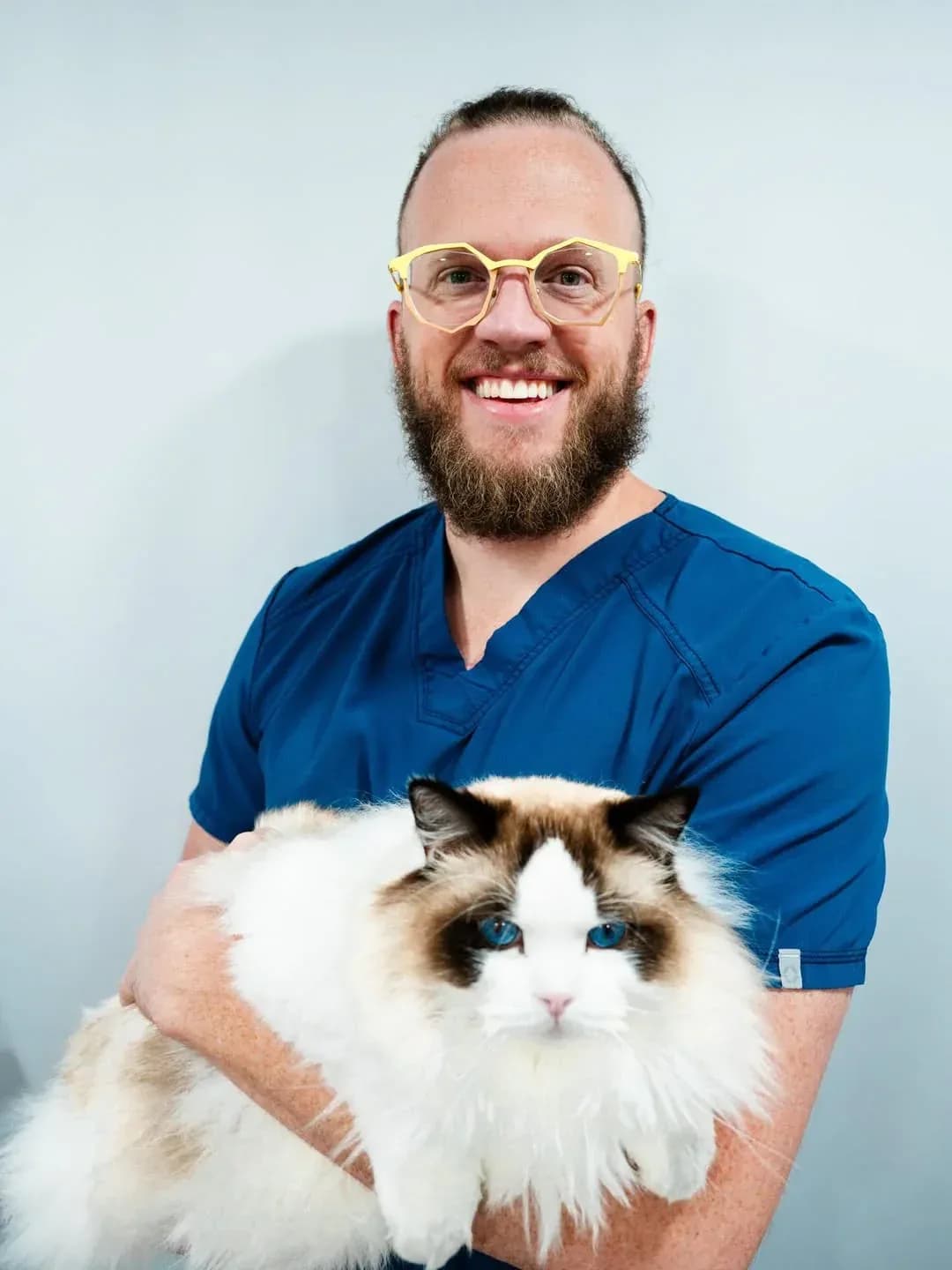
Ask A Vet articles are written by Dr Duncan Houston BVSc, a practising veterinarian, unless another author is named in the byline.