





By Dr Duncan Houston
Pumpkin can make a useful ingredient for homemade dog treats, but the rest of the recipe matters just as much. Peanut butter adds calories, some dogs cannot tolerate yoghurt, and a large biscuit can use up a small dog's treat allowance.
These three recipes offer a baked biscuit, a soft apple and pumpkin mash, and a frozen option. Choose ingredients your dog already tolerates and keep portions small.
Quick Answer
Most healthy dogs can have small pumpkin treats made with plain cooked pumpkin or unsweetened pumpkin purée. Avoid pumpkin pie mix and check every packaged ingredient for xylitol, which is poisonous to dogs. Keep all treats and other extras together below 10% of your dog's daily calories, and ask your vet first if your dog has a medical condition or prescribed diet.
Which pumpkin and ingredients are suitable?
Choose a can labelled 100% pumpkin with no added sugar, salt or seasoning. Pumpkin pie filling and pie mix contain additional ingredients and should not be substituted. Their names alone do not tell you whether a particular product is toxic; the ingredient list and amount eaten determine the risk.
For homemade purée, use fresh food-quality pumpkin. Remove the stalk, skin and seeds, cook the flesh until tender, then mash and cool it. Avoid old carved pumpkins and anything mouldy.
- Peanut butter: choose a plain, smooth variety, ideally made only from peanuts. Check every jar for xylitol, also called birch sugar or wood sugar. A “natural” label does not establish safety.
- Applesauce: use plain, unsweetened sauce without spices or sweeteners. To make your own, remove the apple core and seeds before cooking.
- Yoghurt: use plain, unsweetened yoghurt made from pasteurised milk only if your dog tolerates dairy. It is optional.
- Extras: leave out chocolate, raisins, macadamia nuts, added salt and seasonings.
The FDA's xylitol advice explains why label checks matter. The ASPCA's food safety guidance also covers harmful ingredients and the digestive upset dairy can cause.
How many pumpkin treats can a dog have?
The allowance applies to all extras combined: homemade biscuits, training rewards, dental chews, table scraps and food used to give medicine. The WSAVA nutrition FAQs recommends keeping treats below 10% of daily calories while maintaining a complete and balanced main diet.
For example, if your vet has set a total daily allowance of 500 kcal, keep extras below 50 kcal. This is an example calculation, not a feeding target for every dog.
For a batch of biscuits, add up the calories in the measured ingredients using their labels, then divide by the number of evenly sized biscuits. Include any extra flour used. Break biscuits into smaller rewards and account for their calories within the day's food allowance. Without knowing biscuit size and ingredients, a fixed “two biscuits per day” rule is unreliable.
Recipe 1: Pumpkin and peanut butter biscuits
This egg-free biscuit recipe is adapted from PDSA's pumpkin dog treat recipe. The quantities make a batch to divide into many rewards, not one serving.
Ingredients
- 150 g whole wheat flour
- 50 g plain pumpkin purée
- 50 g plain peanut butter with no xylitol
- 1/2 teaspoon baking powder
- Up to 50 ml water, added only as needed
Method
- Preheat a conventional oven to 180°C, approximately 350°F, and line a baking tray.
- Combine the ingredients except water. Add water gradually until the mixture holds together as a dough.
- Roll out evenly and cut into small, flat biscuits. Avoid thick shapes with soft, uncooked centres.
- Bake for about 20 minutes, adjusting for biscuit thickness and your oven, until cooked through. Cool completely before serving.
Peanut butter makes these calorie-dense compared with plain pumpkin. Use small pieces. Dogs on a low-fat diet need their vet's agreement before having them.
Keep dogs away from uncooked dough and clean hands, bowls and work surfaces after preparation. Even an egg-free dough contains raw flour, which can carry harmful bacteria, as the FDA's flour safety guidance explains.
Recipe 2: Soft pumpkin and apple mash
This no-bake option keeps the pumpkin and apple combination simple, without making a hard biscuit.
Ingredients
- 2 tablespoons plain cooked pumpkin purée
- 1 tablespoon plain, unsweetened applesauce
Method
- Mix the cooled ingredients until smooth.
- Offer a small lick from a shallow dish as an introduction. The bowlful is a batch, not a recommended portion.
- Refrigerate the remainder promptly or freeze individual small portions.
Apples with their core and seeds removed are among the occasional fruit treats listed in PDSA's dog feeding advice. If apple is unfamiliar to your dog, try a little plain pumpkin on its own first.
Recipe 3: Frozen pumpkin and yoghurt portions
For a dog that already tolerates dairy, this uses the pumpkin and yoghurt combination in Woodgreen's frozen pumpkin treat idea, with a smaller batch and no added banana.
Ingredients
- 4 tablespoons plain cooked pumpkin purée
- 2 tablespoons plain, unsweetened yoghurt, or water for a dairy-free version
Method
- Mix until smooth, then divide into small, shallow portions in a food-safe silicone tray.
- Freeze until set, then transfer to a labelled freezer container.
- Before serving, soften a portion until it can be mashed with a spoon. Offer it in a dish and supervise.
Do not offer a large, rock-hard cube for chewing or swallowing whole. For dogs that gulp food or have sore teeth, use the thawed mash. Yoghurt in a snack should not be treated as a prescribed probiotic or a remedy for an upset stomach.
Check your dog's suitability before baking
| Your dog's situation | What matters | Best next step |
|---|---|---|
| Healthy, eating normally, ingredients already tolerated | Calories, texture and portion size | Start with a small taste and supervise. |
| Food allergy investigation, prescribed diet or previous pancreatitis | New ingredients may interfere with the diet plan. | Ask your vet which ingredients and quantities fit the plan before offering treats. |
| Puppy, difficulty chewing or a tendency to gulp | Developmental nutrition and choking or tooth injury risks | Prioritise the normal complete food; choose small, soft rewards suited to the individual dog. |
| Currently vomiting, passing diarrhoea or refusing food | An illness needs assessment before introducing a recipe. | Skip new treats and contact your vet according to the signs below. |
These checkpoints follow WSAVA's advice on medical diets, treat size and supervision. Homemade treats do not replace a complete meal.
How should homemade pumpkin treats be stored?
Treat these moist homemade foods as perishable. Cool baked biscuits promptly, then refrigerate in a clean, covered container. Freeze surplus portions promptly and thaw only what you need in the refrigerator.
As a practical application of FDA food storage guidance, keep the fridge at 4°C or below and refrigerate or freeze perishable food within two hours of preparation, or one hour in temperatures above 32°C. Do not leave a tray cooling overnight.
Follow the opened-ingredient storage instructions and use refrigerated batches promptly. These recipes have no laboratory-validated shelf life, so do not assume that baking makes them safe for weeks in a cupboard. Freeze extras instead of planning prolonged fridge storage. Discard leftovers from a licked dish and anything mouldy or of uncertain storage history; a normal smell does not prove safety.
What if a treat upsets your dog's stomach?
Stop the new treats and note the ingredients, quantity eaten and signs. A change in food or dairy intolerance may explain mild loose stools, but vomiting or diarrhoea can also reflect infection, parasites, pancreatitis or swallowed material. Adding more pumpkin can delay finding the cause.
If your dog has one slightly soft stool but remains bright, eating and drinking normally, monitor closely without offering more new foods. Contact your vet if signs recur, worsen or have not improved within 24 hours. Seek advice sooner for puppies, frail older dogs or dogs with another illness. PDSA's stomach-upset guidance explains these escalation points.
When is urgent help needed?
If xylitol ingestion is possible, contact a vet, emergency clinic or animal poison service immediately, even if your dog looks normal. Keep the packaging and report the amount and time eaten. The FDA warns that serious effects can be delayed.
Contact your vet urgently for repeated vomiting or other concerning signs, including blood in vomit or stool, a painful abdomen, marked lethargy or inability to keep water down. Collapse, seizures or difficulty breathing require immediate emergency care.
Common mistakes to avoid
- Assuming every pumpkin product is plain pumpkin.
- Serving the recipe batch as a portion or forgetting other daily rewards.
- Using dairy or peanut butter despite a prescribed diet or known intolerance.
- Giving hard frozen chunks to a dog with chewing or swallowing difficulties.
- Expecting pumpkin biscuits to treat digestive disease or clean teeth.
A simple plan for everyday treating
Check labels, choose one recipe and offer only a small taste first. Watch appetite, stools and comfort before offering it again. Pre-portion future rewards so everyone in the household uses the same daily allowance.
If extra ingredients do not suit your dog, reserve some of their measured usual food for training. Play, sniffing walks and attention also make useful rewards without adding calories.
Frequently asked questions
Can dogs eat canned pumpkin?
Yes, many healthy dogs can have a small amount of plain canned pumpkin. Check that it contains pumpkin without added seasonings or sweeteners, and include it in the total treat allowance.
Can pumpkin treats help a dog with diarrhoea?
These recipes are snacks, not a treatment plan. A dog with diarrhoea may need a specific diet or assessment for another cause. Avoid introducing rich or unfamiliar treats while your dog is unwell.
Can I make pumpkin dog treats without peanut butter?
Yes. Use the pumpkin and apple mash, or a small amount of plain cooked pumpkin. If your dog needs a restricted diet, check that even these ingredients are permitted.
Are frozen pumpkin treats good for senior dogs?
Age alone does not decide suitability. Let frozen portions soften fully for dogs with delicate or painful teeth, and arrange a dental examination if chewing seems uncomfortable.
How long do homemade pumpkin treats last?
There is no single reliable shelf life for different homemade recipes. Refrigerate promptly, follow ingredient storage instructions and freeze surplus portions rather than relying on cupboard storage.
Keep the recipe simple and the reward small
The best pumpkin treat fits your dog's normal diet, medical needs and way of eating. Use plain ingredients, count the calories and choose a texture your dog can manage comfortably.
For more practical guidance on everyday dog care, visit ASK A VET™. Your usual veterinary team can help you choose treats that fit your dog's individual feeding plan.
This article is general veterinary education and does not diagnose or treat an individual animal. Always confirm medication names, doses and interactions with the veterinarian who knows your pet.
If your animal is struggling to breathe, collapsed, bleeding heavily, seizing, or has eaten something toxic, contact your vet or the nearest emergency clinic now.
Animal Poisons Helpline (AU) 1300 869 738 · Animal Poisons Helpline (NZ) 0800 869 738 · ASPCA Animal Poison Control (US) (888) 426-4435
More from Ask A Vet
For everyday pet care, one scan or tap of the smart pet ID tag opens your pet's free profile on any phone, no app needed; the GPS pet tracker logs live location and activity trends; and the Ask A Vet app keeps your pet's records and routines together.
 QR & NFC Pet ID Tag for Dogs and CatsView ID Tag
The ASK A VET™ Smart ID Tag is a QR scan or NFC tap on any phone, no app needed, with a free profile you can update anytime.
 GPS Pet Tracker for Dogs and CatsView tracker
The ASK A VET™ Tracker logs live location and activity trends, so a change in routine never goes unnoticed.
 Talk to a Vet Online: The Ask A Vet AppExplore the app
Ask questions, speak with vets, and keep your pet's records and routines together with Ask A Vet.
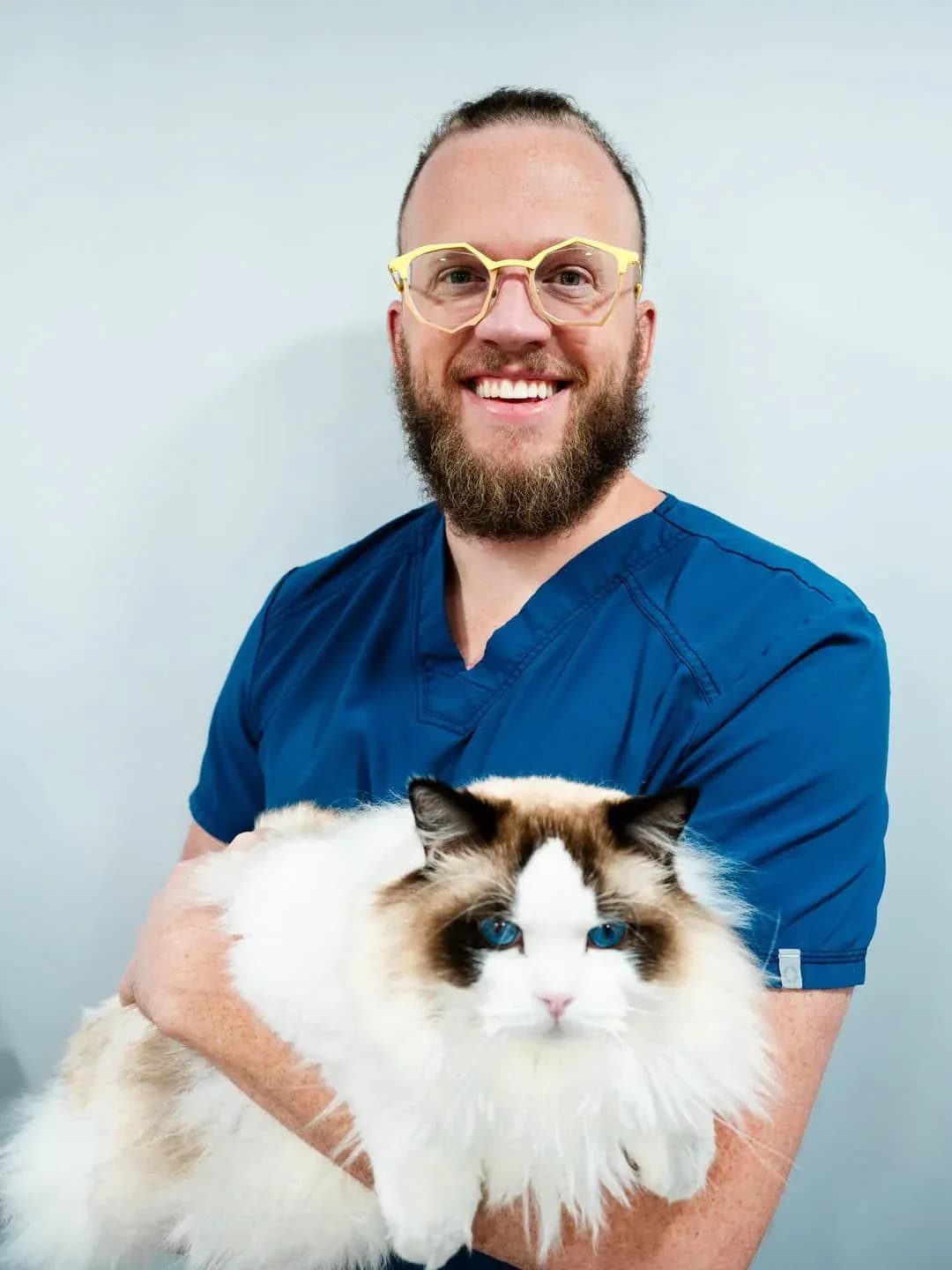
Ask A Vet articles are written by Dr Duncan Houston BVSc, a practising veterinarian, unless another author is named in the byline.