


🛁 Vet Guide 2025: How to Safely Bathe Your Cat 🐱🩺
By Dr. Duncan Houston BVSc – Veterinarian & Founder of Ask A Vet
Cats are renowned self-groomers, but sometimes a bath becomes necessary—after a messy adventure, exposure to toxins, or to treat skin issues. In this 2025 vet guide, we’ll walk through **when baths are needed**, **how to prepare**, and **step-by-step techniques** for a calm, cat- and owner-friendly experience. Let’s dive in! 🧴
🔍 1. When Does Your Cat Actually Need a Bath?
- Covered in substances they can’t clean—sticker, paint, oil, feces
- Skin issues: mites, ringworm, seborrhea, or greasy coats—often using medicated baths per vet’s advice :contentReference[oaicite:2]{index=2}
- Inability to groom—elderly, arthritic, obese cats may need help :contentReference[oaicite:3]{index=3}
- Hairless breeds (e.g., Sphynx) require regular cleaning to remove oil buildup :contentReference[oaicite:4]{index=4}
For typical healthy cats, baths are optional—overbathing can dry their skin. Veterinary guidance is essential. :contentReference[oaicite:5]{index=5}
🛠️ 2. Supplies You’ll Need
- Cat‑safe shampoo or medicated shampoo as prescribed :contentReference[oaicite:6]{index=6}
- No‑slip mat or towel in sink/tub :contentReference[oaicite:7]{index=7}
- Cup or gentle sprayer with lukewarm water :contentReference[oaicite:8]{index=8}
- Brush for pre-bath grooming
- Towels—multiple, especially for long-haired cats
- Optional: conditioner, low-heat blow dryer, treats 🎁
🧹 3. Pre-Bath Preparation
- Brush thoroughly to remove mats and loose hair :contentReference[oaicite:9]{index=9}
- Trim nails a day before to reduce scratches :contentReference[oaicite:10]{index=10}
- Test water temperature with your wrist—should feel warm, not hot :contentReference[oaicite:11]{index=11}
- Place towels and supplies within arm’s reach
- Introduce cat gradually to water: dripping sessions, treats, and calm talk :contentReference[oaicite:12]{index=12}
💧 4. Bathing—Step by Step
- Fill sink/tub with ~4 cm of warm water :contentReference[oaicite:13]{index=13}
- Gently lower your cat, with back toward you—support chest and hind end :contentReference[oaicite:14]{index=14}
- Wet coat using a cup or sprayer—avoid face and ears :contentReference[oaicite:15]{index=15}
- Apply cat-safe shampoo—massage into coat, avoiding head. Rinse thoroughly until water runs clear :contentReference[oaicite:16]{index=16}
- For extra dirty areas, use a second shampoo pass; treat face with a damp washcloth :contentReference[oaicite:17]{index=17}
- Rinse again completely—important to prevent skin irritation :contentReference[oaicite:18]{index=18}
- Apply conditioner if using—rinse fully :contentReference[oaicite:19]{index=19}
🧣 5. Drying & Post-Bath Care
- Wrap in towels—press gently to absorb water; avoid rubbing.
- Use a second towel if needed for long-haired cats :contentReference[oaicite:20]{index=20}
- Use blow dryer on lowest, coolest setting if tolerated :contentReference[oaicite:21]{index=21}
- Allow cat to self-groom, place in warm, draft-free area :contentReference[oaicite:22]{index=22}
- Offer treats and praise—help rebuild trust 🥰
🤫 6. Tips for a Calm CAT Bath
- Stay calm—cats pick up on stress :contentReference[oaicite:23]{index=23}
- Work quickly but gently—minimal duration reduces stress :contentReference[oaicite:24]{index=24}
- One or two helpers can help gently hold your cat :contentReference[oaicite:25]{index=25}
- Play catnip, soft music, or talk gently to soothe :contentReference[oaicite:26]{index=26}
- Consider professional groomers or vet visits if too difficult :contentReference[oaicite:27]{index=27}
📆 7. Bathing Frequency & Types
- General: every 4–6 weeks at most—overbathing can dry skin :contentReference[oaicite:28]{index=28}
- Long-haired: every couple of months to avoid mats :contentReference[oaicite:29]{index=29}
- Hairless breeds: weekly to manage oil buildup :contentReference[oaicite:30]{index=30}
- Medicated baths: per vet prescription for skin conditions
- Emergency cleaning: after ingestion of toxins or sticky substances
⚠️ 8. When to Avoid an At-Home Bath
- Sick, very young kittens (<4 weeks), or recovering from surgery
- Severely anxious or aggressive cats—arrange professional help :contentReference[oaicite:31]{index=31}
- Sharp pain on contact or sudden shyness—could be illness
📲 Ask A Vet Support in 2025
Need help deciding if your cat needs a bath, or want step-by-step guidance during the bath? The Ask A Vet app connects you with licensed veterinarians anytime—helping with med‑bath protocols, stress-reduction strategies, and grooming tools recommendations. 🐾📞
🧠 Final Thoughts
Bathing your cat is not a trivial task—but with proper prep, gentle technique, and consistent reassurance, it can be a safe and low-stress experience. Remember—most cats groom themselves finely, so bathe only when necessary. When in doubt, consult a vet or professional groomer to protect your cat’s well-being and your bond. 🧡
Download the Ask A Vet app today for personalized bathing guides, grooming tips, and professional support—because every cat deserves calm care. 🐱💦
This article is general veterinary education and does not diagnose or treat an individual animal. Always confirm medication names, doses and interactions with the veterinarian who knows your pet.
If your animal is struggling to breathe, collapsed, bleeding heavily, seizing, or has eaten something toxic, contact your vet or the nearest emergency clinic now.
Animal Poisons Helpline (AU) 1300 869 738 · Animal Poisons Helpline (NZ) 0800 869 738 · ASPCA Animal Poison Control (US) (888) 426-4435
More from Ask A Vet
For everyday pet care, one scan or tap of the smart pet ID tag opens your pet's free profile on any phone, no app needed; the GPS pet tracker logs live location and activity trends; and the Ask A Vet app keeps your pet's records and routines together.
 Hanging QR & NFC Pet ID TagView ID Tag
The ASK A VET™ Smart ID Tag is a QR scan or NFC tap on any phone, no app needed, with a free profile you can update anytime.
 Dog & Cat GPS Tracker for Their CollarView tracker
The ASK A VET™ Tracker logs live location and activity trends, so a change in routine never goes unnoticed.
 Talk to a Vet Online: The Ask A Vet AppExplore the app
Ask questions, speak with vets, and keep your pet's records and routines together with Ask A Vet.
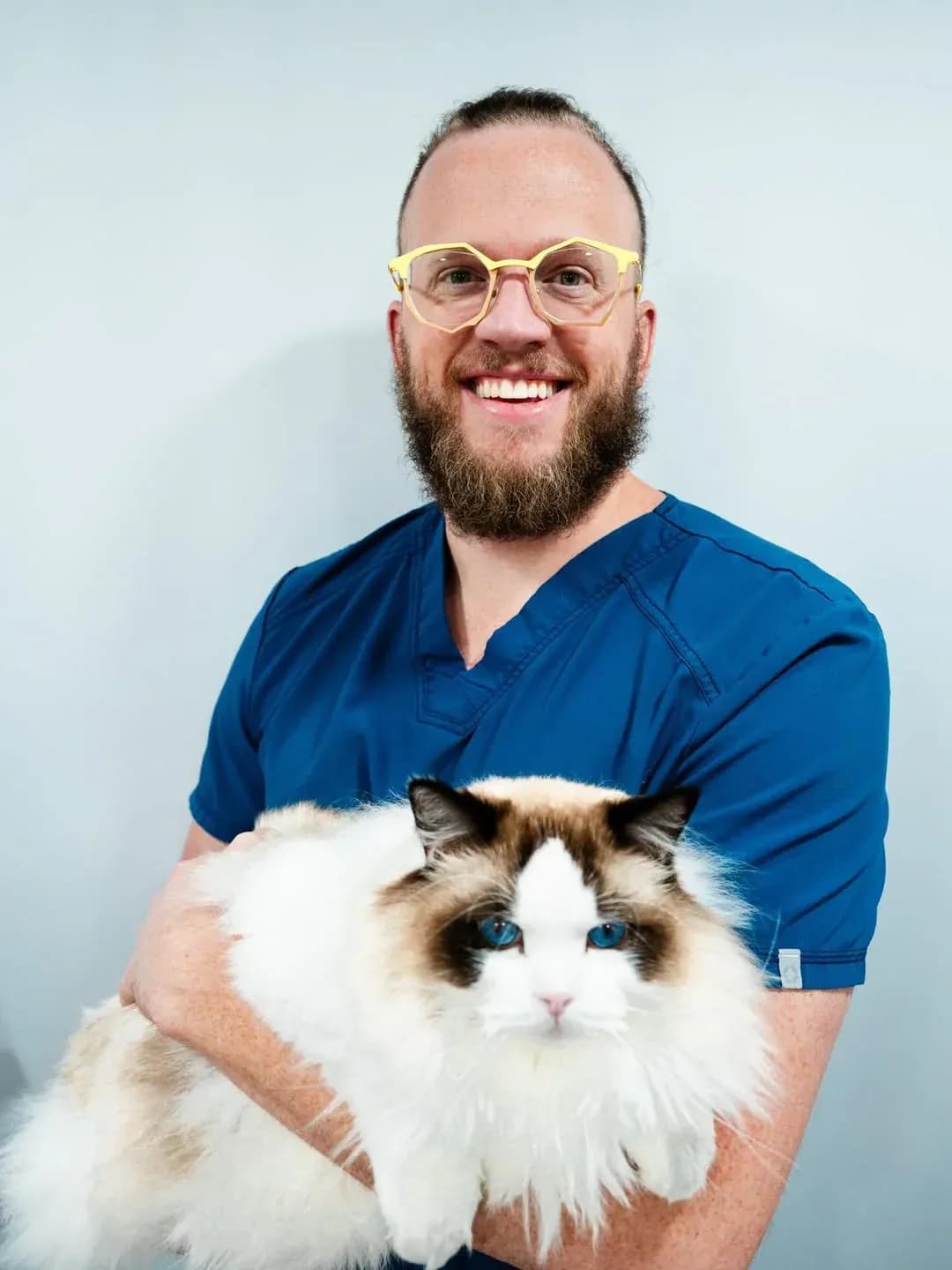
Ask A Vet articles are written by Dr Duncan Houston BVSc, a practising veterinarian, unless another author is named in the byline.