


Vet Guide to DL‑Methionine in 2025 🐾
Hi, I’m Dr Duncan Houston, BVSc—founder of Ask A Vet. This in-depth 2025 guide explains **DL‑Methionine**, an essential amino acid supplement (e.g., Methio‑Form®, Ammonil®) used as a urine acidifier to manage struvite bladder stones and urinary tract infections (UTIs) in dogs and cats. You’ll find clear info on its mechanism, dosing protocols, side effects, precautions, and monitoring strategies to support your pet’s urinary health. 💊🐶🐱
📘 What Is DL‑Methionine?
DL‑Methionine is a formulated amino acid supplement used in veterinary medicine to acidify urine in dogs and cats. While it is not an FDA-approved drug, it is available via prescription in veterinary formulations and sometimes OTC nutraceuticals :contentReference[oaicite:3]{index=3}.
✅ Why Use It?
- Struvite stones dissolution & prevention: these magnesium ammonium phosphate crystals form in alkaline urine and dissolve in acidic environments :contentReference[oaicite:4]{index=4}.
- Support UTI therapy: used alongside therapeutic urinary diets and appropriate antibiotics to help acidify urine and reduce stone reformation :contentReference[oaicite:5]{index=5}.
- Odor control: acidic urine may reduce strong urine odor in cats and dogs :contentReference[oaicite:6]{index=6}.
📐 How It Works
When metabolized, DL‑Methionine releases sulfuric acid, lowering urinary pH. This creates an acidic environment that dissolves existing struvite stones and prevents new ones from forming :contentReference[oaicite:7]{index=7}.
📋 Dosing Recommendations
- Dogs: typically ½ tablet per 10 lb body weight (e.g., 500 mg tablets) 1–2 times daily with food; adjust based on urine pH monitoring :contentReference[oaicite:8]{index=8}.
- Cats: usually 1 tablet per 10 lb (200 mg or 500 mg tablets), once or twice daily with food :contentReference[oaicite:9]{index=9}.
- Administration with food helps reduce GI upset :contentReference[oaicite:10]{index=10}.
- Duration varies: typically continue until stones dissolve (weeks to months), then taper to maintenance while monitoring pH :contentReference[oaicite:11]{index=11}.
- Missed dose? Give when remembered, unless close to next—do not double dose :contentReference[oaicite:12]{index=12}.
⚠️ Side Effects & Risks
- GI upset: vomiting, diarrhea, reduced appetite :contentReference[oaicite:13]{index=13}.
- Acidosis (rare): over-acidification—watch for lethargy, weakness, cramps :contentReference[oaicite:14]{index=14}.
- Neurological signs in overdose: incoordination, tremors, seizures, cyanosis—seek immediate veterinary care :contentReference[oaicite:15]{index=15}.
🚫 Who Shouldn’t Use It
- Kittens: juvenile cats should not be treated—risk of stunted growth and toxicity :contentReference[oaicite:16]{index=16}.
- Avoid in pets with chronic renal, hepatic, or pancreatic disease due to acidification risk :contentReference[oaicite:17]{index=17}.
- Not effective for other stones like oxalate or urate :contentReference[oaicite:18]{index=18}.
ℹ️ Drug & Diet Interactions
- Acidifying diets and OTC methionine-containing products may further lower urine pH —monitor to avoid over-acidification :contentReference[oaicite:19]{index=19}.
- Aminoglycosides (e.g., gentamicin) or quinidine may interact—consult your vet :contentReference[oaicite:20]{index=20}.
- Exercise caution in diabetic or acidotic patients :contentReference[oaicite:21]{index=21}.
🩺 Monitoring & Veterinary Care
- **Urine pH:** Monitor weekly during active treatment—target pH ~6.0–6.5 :contentReference[oaicite:22]{index=22}.
- **Urinalysis & culture:** assess infection and crystal status monthly or per vet recommendation.
- **Physical health:** monitor appetite, water intake, and alertness; watch for GI or signs of acidosis.
- **Routine labs:** especially if used long-term or in pets with kidney/liver concerns :contentReference[oaicite:23]{index=23}.
- **Stone recheck:** ultrasound or radiographs to confirm dissolution and determine continued need.
🏡 Practical Examples
🐶 Dog With Struvite Stones
- Started on 500 mg DL‑Methionine every 12 h plus urinary diet; urine pH monitored weekly; stones resolved in 4 weeks. Maintenance dose lowered to once daily with continued diet.
🐱 Cat With Recurrent UTIs
- Cat received 200 mg DL‑Methionine once daily with food for 6 weeks. pH dropped from 7.5 to 6.2; no recurrence over 3 months and maintenance dose adjusted to every other day.
❓ FAQs
Is DL‑Methionine a medication or supplement?
It’s a supplement—not FDA-approved as a drug—but often prescribed by vets to treat urinary conditions :contentReference[oaicite:24]{index=24}.
How long until it works?
Urine pH typically drops within days; stone dissolution may take several weeks depending on stone burden and diet compliance :contentReference[oaicite:25]{index=25}.
Can I give my pet human products?
No—veterinary use requires vet-prescribed formulations; human products vary in dosage and may cause toxicity :contentReference[oaicite:26]{index=26}.
What about urinary odor?"
Yes! Acidic urine often has less odor; OTC “grass-saver” treats may help but don’t replace medical DL‑Methionine dosing :contentReference[oaicite:27]{index=27}.
📌 Final Takeaways
- DL‑Methionine is an effective amino‑acid urine acidifier used to dissolve and prevent struvite stones in dogs and cats.
- Typical dose: ½ tablet per 10 lb (dog) or 1 tablet per 10 lb (cat), 1–2× daily with food; adjust using urine pH monitoring.
- Risk of GI upset, acidosis, or neurologic signs—especially in overdoses—requires veterinary supervision.
- Not suitable for kittens or pets with liver, kidney, or pancreatic disease.
- Used with diet and antibiotics, it can support long-term bladder health and reduce odor.
Considering DL‑Methionine for your pet’s bladder issues? Download the Ask A Vet app for dosing reminders, pH tracking tools, side‑effect alerts, and 24/7 veterinary support—keeping your dog or cat’s urinary health on track in 2025 and beyond. 🐾❤️
This article is general veterinary education and does not diagnose or treat an individual animal. Always confirm medication names, doses and interactions with the veterinarian who knows your pet.
If your animal is struggling to breathe, collapsed, bleeding heavily, seizing, or has eaten something toxic, contact your vet or the nearest emergency clinic now.
Animal Poisons Helpline (AU) 1300 869 738 · Animal Poisons Helpline (NZ) 0800 869 738 · ASPCA Animal Poison Control (US) (888) 426-4435
More from Ask A Vet
For everyday pet care, one scan or tap of the smart pet ID tag opens your pet's free profile on any phone, no app needed; the GPS pet tracker logs live location and activity trends; and the Ask A Vet app keeps your pet's records and routines together.
 Hanging QR & NFC Pet ID TagView ID Tag
The ASK A VET™ Smart ID Tag is a QR scan or NFC tap on any phone, no app needed, with a free profile you can update anytime.
 Dog & Cat GPS Tracker for Their CollarView tracker
The ASK A VET™ Tracker logs live location and activity trends, so a change in routine never goes unnoticed.
 Talk to a Vet Online: The Ask A Vet AppExplore the app
Ask questions, speak with vets, and keep your pet's records and routines together with Ask A Vet.
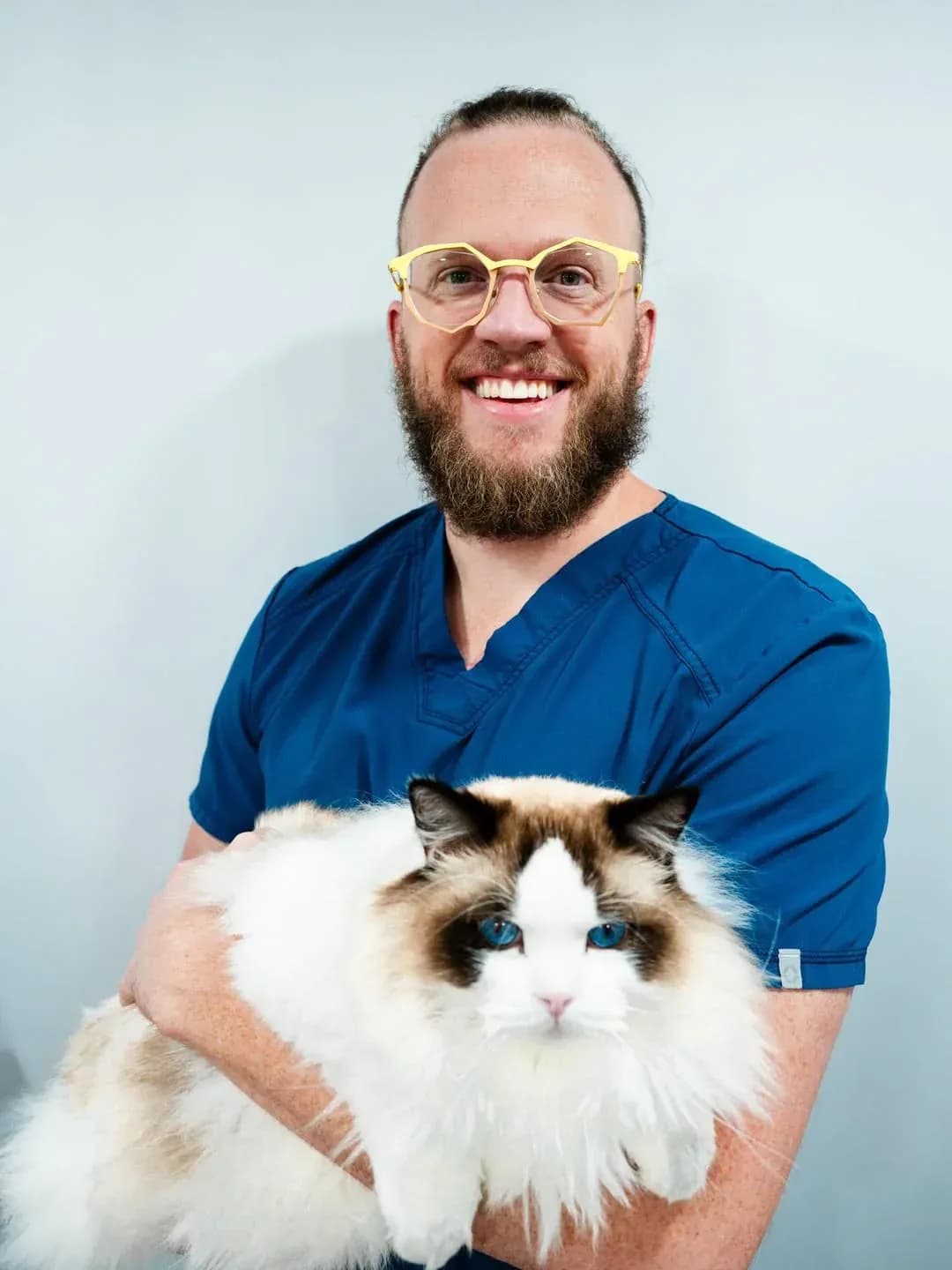
Ask A Vet articles are written by Dr Duncan Houston BVSc, a practising veterinarian, unless another author is named in the byline.