


Vet’s 2025 Guide to Canine Periodontal Disease 🦷 Healthy Gums for Happy Dogs🩺
By Dr. Duncan Houston BVSc
💡 Introduction
Periodontal disease is the most common oral condition in dogs—affecting over 80% by age 3—ranging from reversible gingivitis to irreversible bone loss (periodontitis).
1. Understanding Periodontal Disease
It begins with plaque—sticky bacterial film—hardening into calculus. This triggers inflammation of the gums, periodontal ligament, cementum, and bone.
2. Stages of Disease 🚦
- Stage 1 – Gingivitis: red, swollen gums, bleeding; fully reversible with care.
- Stage 2 – Early periodontitis: bone loss around teeth, deeper pockets needing professional cleanings.
- Stage 3 – Moderate: increased pocket depth, gum recession, may need extractions and radiographs.
- Stage 4 – Advanced: severe bone loss, tooth mobility/loss, systemic infection risk.
Visual analogues: pictured stages in slideshow above.
3. Clinical Signs & Systemic Risks
- Bad breath, red or bleeding gums, and discolored teeth.
- Pain signs: dropping food, pawing mouth, and ear scratching.
- Loose teeth, jaw fractures, difficulty chewing.
- Serious links with heart, kidney, and liver disease due to bacteremia.
4. Diagnosis in 2025 🩺
- Routine awake dental exams; full oral health under anesthesia with radiographs (AAHA guidelines).
- Periodontal probing and intraoral X‑rays to assess disease severity.
- New OraStripdx test detects thiol markers for early periodontal disease—results in 10 s in-clinic, no anesthesia 🇺🇸🇬.
5. Treatment Approaches
5.1 Professional Cleaning
- Performed under general anesthesia for full cleaning above/below gumline, polishing, and radiographic assessment.
- May include root planing, bone grafts, extractions for moderate-to-severe cases.
5.2 Home Prevention
- Daily tooth brushing with canine toothpaste—a key preventive tool.
- Chemical and mechanical aids: VOHC-approved diets, chews, water additives, and wipes.
- Supplements like ProDen PlaqueOff can support oral hygiene.
6. Prevention Protocol
- Start dental care early—even in puppies—build a brushing habit slowly.
- Small/toy breeds need more frequent attention—annual dental checks from 1 year, large breeds from 2 years.
- Combine home care and annual COHAT/COPAT cleanings under anesthesia.
7. Monitoring & Long-term Care
- Track breath, chewing behavior, drooling, and pawing via Ask A Vet.
- Upload dental photos and responses to cleaning reminders.
- Receive alerts for signs needing follow-up or repeat cleans.
- Annual home tests like OraStripdx can flag issues early.
🔍 Key Takeaways
- Periodontal disease is nearly universal in adult dogs and impacts health beyond the mouth.
- Reversible with early intervention; irreversible damage requires professional dental care.
- Brushing daily is the gold standard—support with VOHC-approved products.
- Annual anesthetized dental cleaning is essential, guided by AAHA recommendations.
- New saliva tests like OraStripdx help detect disease early and non-invasively.
- Ask A Vet enhances care with reminders, photo tracking, and symptom alerts.
🩺 Conclusion ❤️
Healthy gums mean a healthier dog. In 2025, advances like early detection tools, professional COHAT services, and daily home care empowered by Ask A Vet are changing canine dental health outcomes. With routine brushing, timely vet visits, and smart monitoring, you can help your dog enjoy a pain-free mouth and better overall well-being. 🐶✨
Dr Duncan Houston BVSc – advocating for comprehensive, compassionate dental health in dogs.
Explore more at AskAVet.com and download the Ask A Vet app for tailored dental reminders, photo-sharing, and expert guidance in maintaining your dog's oral health. ❤️
This article is general veterinary education and does not diagnose or treat an individual animal. Always confirm medication names, doses and interactions with the veterinarian who knows your pet.
If your animal is struggling to breathe, collapsed, bleeding heavily, seizing, or has eaten something toxic, contact your vet or the nearest emergency clinic now.
Animal Poisons Helpline (AU) 1300 869 738 · Animal Poisons Helpline (NZ) 0800 869 738 · ASPCA Animal Poison Control (US) (888) 426-4435
More from Ask A Vet
For everyday pet care, one scan or tap of the smart pet ID tag opens your pet's free profile on any phone, no app needed; the GPS pet tracker logs live location and activity trends; and the Ask A Vet app keeps your pet's records and routines together.
 QR Code Dog & Cat ID Tag with NFC, HangingView ID Tag
The ASK A VET™ Smart ID Tag is a QR scan or NFC tap on any phone, no app needed, with a free profile you can update anytime.
 Dog & Cat GPS Tracker for Their CollarView tracker
The ASK A VET™ Tracker logs live location and activity trends, so a change in routine never goes unnoticed.
 Talk to a Vet Online: The Ask A Vet AppExplore the app
Ask questions, speak with vets, and keep your pet's records and routines together with Ask A Vet.
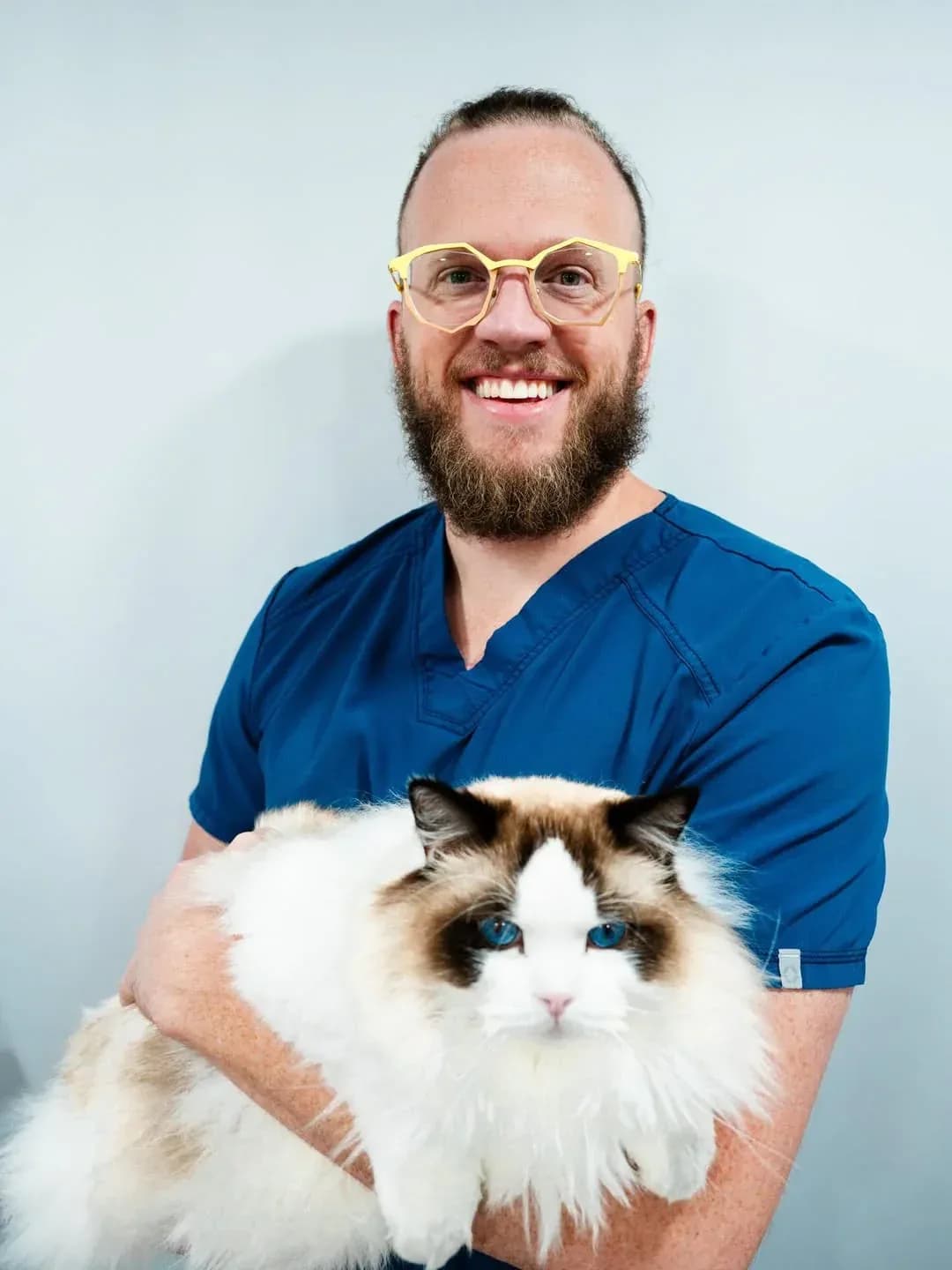
Ask A Vet articles are written by Dr Duncan Houston BVSc, a practising veterinarian, unless another author is named in the byline.