


Vet’s 2025 Guide to Canine Salmonella Infection Causes, Diagnosis & Care
By Dr. Duncan Houston BVSc
What Is Salmonella Infection?
Salmonellosis is caused by the bacterium Salmonella spp., which affects the intestinal tract of dogs and can range from asymptomatic to severe systemic illness.
How Do Dogs Become Infected?
- Consumption of raw/undercooked meat, eggs, or dried pig ears.
- Exposure to fecal-contaminated environments—common on farms or after ingestion of infected animals.
Who's at Higher Risk?
- Puppies, seniors, or immunocompromised dogs—more likely to develop symptoms.
- High-exposure dogs: raw-fed, kennel-housed, or hunt dogs.
Clinical Signs
- 📌 Gastrointestinal: vomiting, diarrhea (often watery or bloody), abdominal pain.
- Systemic signs: fever, lethargy, anorexia, dehydration, possibly enlarged lymph nodes or increased heart rate.
- Severe cases may progress to septicemia, shock, or even death if untreated.
Diagnostic Approach
- Medical history & examination: diet, diarrhea onset, raw food exposure.
- Stool culture to confirm Salmonella presence.
- Bloodwork: CBC, biochemistry, dehydration assessment.
- Rule out other causes (parasites, food intolerance, Addison’s, etc.) via fecal tests and imaging.
Treatment Guidelines
1. Supportive Care
- IV or subQ fluids to correct dehydration and electrolytes.
- Control nausea/vomiting; provide easily digestible diet.
2. Antibiotics (If Needed)
Reserved for dogs showing systemic signs (fever, septicemia).
- Cephalosporins or ampicillin commonly used; the clinic may avoid routine antibiotics in mild cases.
- Risks: antibiotic-resistant strains and prolonged bacterial shedding.
3. Intensive Care
- Hospitalization for severe cases, sepsis or shock.
- May include feeding tubes, transfusions, NSAIDs.
Prognosis & Recovery
- Many dogs recover within days with care; severe cases take weeks.
- Asymptomatic dogs can remain carriers and intermittently shed bacteria.
- Septicemia carries a guarded to poor prognosis depending on organ involvement.
Prevention Strategies
- Avoid raw diets, undercooked meat, pig ears; fully cook home-prepared meals.
- Practice strict hygiene: wash hands, clean the environment,s and bedding after diarrhea episodes.
- Prompt feces removal and disinfection in kennels and yards.
- Avoid contact with wildlife, reptiles, or sick animals.
Ask A Vet Home Support
- 📊 Symptom logging: diarrhea frequency, vomiting, water intake, appetite.
- 🕒 Care reminders: fluid therapy, diet transitions, vet check-ups.
- 📸 Photo uploads: for stool consistency and hydration checks.
- 🔔 Alerts: dehydration signs, persistent fever or bloody stools.
- 📚 Educational resources: diet safety, cleaning protocols, carrier risk information.
Key Takeaways
- Salmonella in dogs stems from raw food or fecal exposure and ranges from no signs to severe disease.
- Watch for vomiting, diarrhea (often bloody), fever, and lethargy.
- Diagnosis via stool culture and lab tests; treatment is mostly supportive.
- Antibiotics only for systemic illness; watch for resistance and carrier status.
- Prevention: cooked diets, hygiene, and isolation; Ask A Vet app enhances home care and monitoring.
Final Thoughts
In 2025, canine salmonellosis is largely preventable with smart feeding choices and hygiene practices. Early detection and home monitoring with Ask A Vet ensures quick interventions, improved outcomes, and reduced risk to your human family. Let’s protect every pup—and every person in the home—from this hidden threat. 🐾✨
Visit AskAVet.com and download the Ask A Vet app to log symptoms, schedule reminders, upload updates, and stay connected with your vet—right from home. 📲
This article is general veterinary education and does not diagnose or treat an individual animal. Always confirm medication names, doses and interactions with the veterinarian who knows your pet.
If your animal is struggling to breathe, collapsed, bleeding heavily, seizing, or has eaten something toxic, contact your vet or the nearest emergency clinic now.
Animal Poisons Helpline (AU) 1300 869 738 · Animal Poisons Helpline (NZ) 0800 869 738 · ASPCA Animal Poison Control (US) (888) 426-4435
More from Ask A Vet
For everyday pet care, one scan or tap of the smart pet ID tag opens your pet's free profile on any phone, no app needed; the GPS pet tracker logs live location and activity trends; and the Ask A Vet app keeps your pet's records and routines together.
 QR Code Dog & Cat ID Tag with NFC, HangingView ID Tag
The ASK A VET™ Smart ID Tag is a QR scan or NFC tap on any phone, no app needed, with a free profile you can update anytime.
 Dog & Cat GPS Tracker for Their CollarView tracker
The ASK A VET™ Tracker logs live location and activity trends, so a change in routine never goes unnoticed.
 Talk to a Vet Online: The Ask A Vet AppExplore the app
Ask questions, speak with vets, and keep your pet's records and routines together with Ask A Vet.
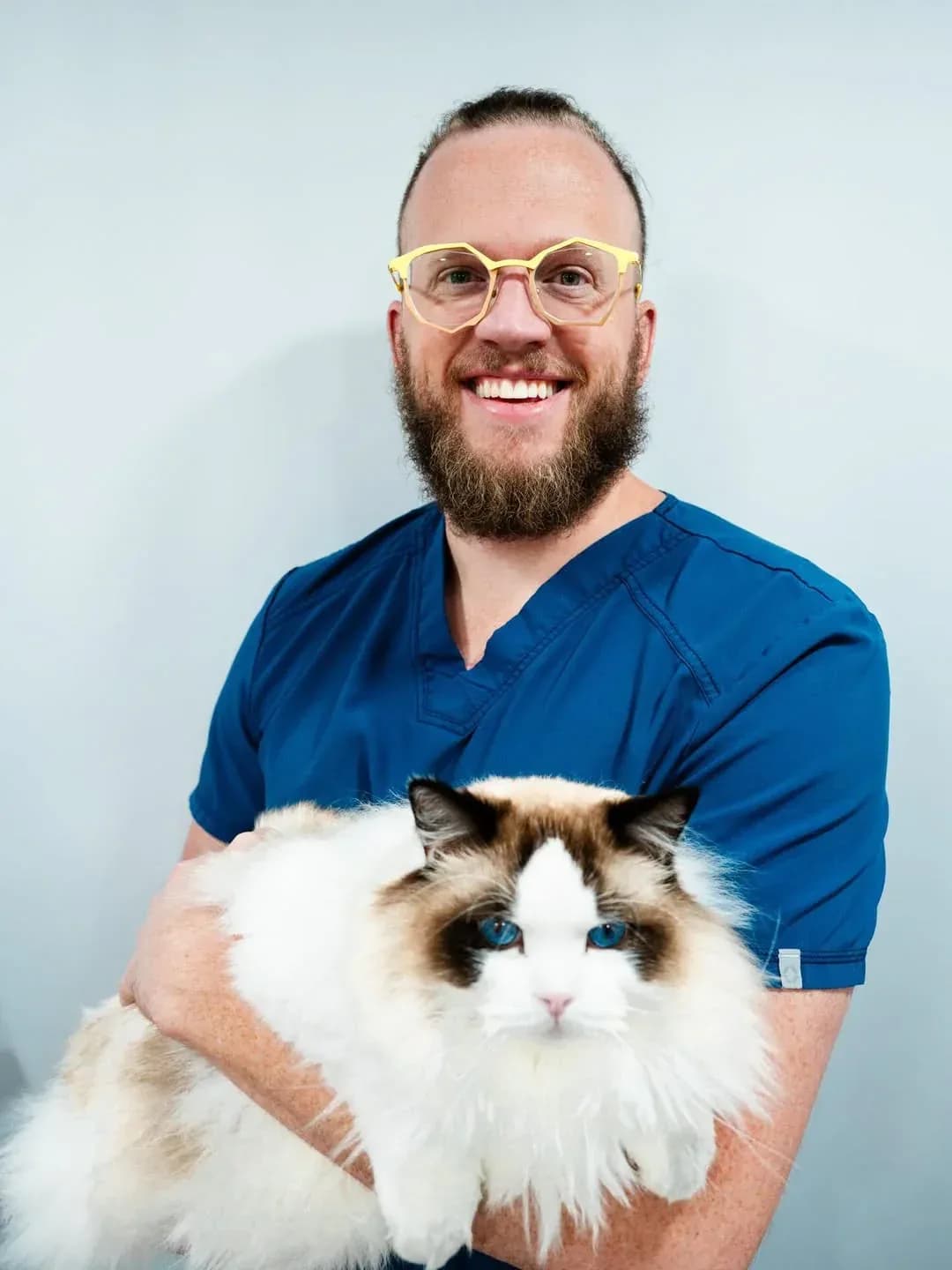
Ask A Vet articles are written by Dr Duncan Houston BVSc, a practising veterinarian, unless another author is named in the byline.