


Veterinary Guide to Canine Hypoalbuminemia 2025 🐶💧🩺
By Dr. Duncan Houston BVSc
🧬 What Is Hypoalbuminemia?
Hypoalbuminemia is a state of abnormally low blood albumin, usually < 2.5 g/dL, that reduces oncotic pressure and can lead to edema, effusions, and systemic illness. Albumin is a negative acute-phase protein, so it may drop in inflammation even without severe underlying disease.
👥 Which Dogs Are Affected?
- Critically ill dogs with liver, kidney, or GI disease.
- Dogs with protein-losing nephropathy (PLN) or enteropathy (PLE), liver insufficiency or vascular disease.
- Inflammatory or infectious conditions causing albumin loss or redistribution.
- Mild cases can occur with malnutrition or acute inflammation but rarely drop below 2.1 g/dL.
⚠️ Signs & Complications
- Peripheral edema, ascites, pleural effusion—transudative fluid from reduced colloid pressure.
- Effusions can impair breathing, mobility, wound healing, and tissue perfusion.
- Other non-specific signs: lethargy, inappetence, weight loss, weakness.
- Concurrent issues: low ionized calcium, zinc deficiency, altered drug binding.
🔍 Diagnostic Evaluation
- History & Physical: note edema patterns, possible protein loss, underlying disease.
- Bloodwork: CBC, biochemistry—albumin, globulins, ALT/ALP, BUN; inflammation or organ dysfunction clues.
- Urinalysis + UPC: check proteinuria—UPC > 5 suggests PLN; rule out hematuria or infection.
- Imaging: abdominal and thoracic ultrasound/x-ray to detect effusions or liver/kidney abnormalities.
- Specific tests: bile acids, liver function, fecal α₁-antitrypsin for PLE.
- Biopsies: liver, kidney, or intestinal tissue—if indicated, to confirm diagnosis.
🛠️ Treatment Strategies
1. Target the Underlying Cause
- PLN: immunosuppression (steroids, ACE inhibitors) after infectious causes ruled out.
- PLE/IBD/lymphangiectasia: steroid therapy, dietary management—novel/hypoallergenic/low-fat.
- Liver disease/shunts: treat infections, chelate copper, or surgically correct shunts.
- Vascular/effusive disease: manage peritonitis, vasculitis, chylous or pyothorax conditions.
- Inflammation caused hypoalbuminemia: treat infection/inflammation and provide supportive care.
2. Manage Edema & Effusions
- Drain effusions as needed and monitor regularly.
- Use colloids (hetastarch) cautiously to boost oncotic pressure.
- Albumin infusions reserved for refractory cases—safe canine albumin agents exist; human/bovine products risk reactions.
3. Supportive Nutritional Care
- Enteral nutrition early in critical cases; consider parenteral support if needed.
- Adjust diet based on condition: renal-friendly for PLN, hypoallergenic/low-fat for PLE, hepatoprotective for liver disease.
- Watch for micronutrient deficiencies and supplement accordingly.
4. Regular Monitoring
- Recheck albumin, kidney/liver values, UPC, and clinical signs every 2–4 weeks early, then as treatment allows.
- Image effusions and organ status periodically.
- Adjust treatment based on lab trends and clinical response.
📈 Prognosis
- Cause-dependent; PLN and PLE can improve with targeted treatment.
- Severe liver or renal failure has more guarded prognosis.
- Albumin below 2.0 g/dL increases the risk of edema-related complications and poorer outcomes.
- Supplemental albumin may help acute critical cases but doesn’t improve long-term outcomes if the underlying disease untreated.
📱 Ask A Vet Telehealth Integration
- 📸 Upload labs, UPC results, and effusion images for remote vet review.
- 🔔 Medication/diet reminders, scheduled UPC or albumin retesting notifications.
- 🩺 Virtual check-ins: monitor edema, breathing, appetite, vitals.
🎓 Case Spotlight: “Bella” the Cocker Spaniel
Bella, a 5-year-old Cocker, presented with ascites and edema. Labs showed albumin 1.8 g/dL, UPC = 6.2. Diagnosis: PLN. Treatment included prednisone taper, ACE inhibitor, renal diet. Colloid bolus given once. Ask A Vet coordinated telehealth lab reviews, diet reminders. Within 2 months, albumin normalized to 2.8 g/dL and edema resolved 🐾.
🔚 Key Takeaways
- Hypoalbuminemia is a sign, not a disease—investigate underlying cause (renal, GI, hepatic, vasculature, inflammation).
- Edema/effusions arise from low oncotic pressure; treat symptomatically and address protein loss.
- Therapy includes disease-specific treatment, nutrition, supportive care, and monitoring.
- Albumin infusions are risky and rarely beneficial long-term; reserved for critical cases.
- Ask A Vet telehealth ensures continuity: lab interpretation, diet, fluid control, supplement delivery, and remote tracking 📲🐕
Dr Duncan Houston BVSc, founder of Ask A Vet. Download the Ask A Vet app to help your dog with hypoalbuminemia—receive lab reviews, fluid management plans, diet guidance, medication reminders, and long-term monitoring for healthier outcomes 🐶📲
This article is general veterinary education and does not diagnose or treat an individual animal. Always confirm medication names, doses and interactions with the veterinarian who knows your pet.
If your animal is struggling to breathe, collapsed, bleeding heavily, seizing, or has eaten something toxic, contact your vet or the nearest emergency clinic now.
Animal Poisons Helpline (AU) 1300 869 738 · Animal Poisons Helpline (NZ) 0800 869 738 · ASPCA Animal Poison Control (US) (888) 426-4435
More from Ask A Vet
For everyday pet care, one scan or tap of the smart pet ID tag opens your pet's free profile on any phone, no app needed; the GPS pet tracker logs live location and activity trends; and the Ask A Vet app keeps your pet's records and routines together.
 QR Code Dog & Cat ID Tag with NFC, HangingView ID Tag
The ASK A VET™ Smart ID Tag is a QR scan or NFC tap on any phone, no app needed, with a free profile you can update anytime.
 Dog & Cat GPS Tracker for Their CollarView tracker
The ASK A VET™ Tracker logs live location and activity trends, so a change in routine never goes unnoticed.
 Talk to a Vet Online: The Ask A Vet AppExplore the app
Ask questions, speak with vets, and keep your pet's records and routines together with Ask A Vet.
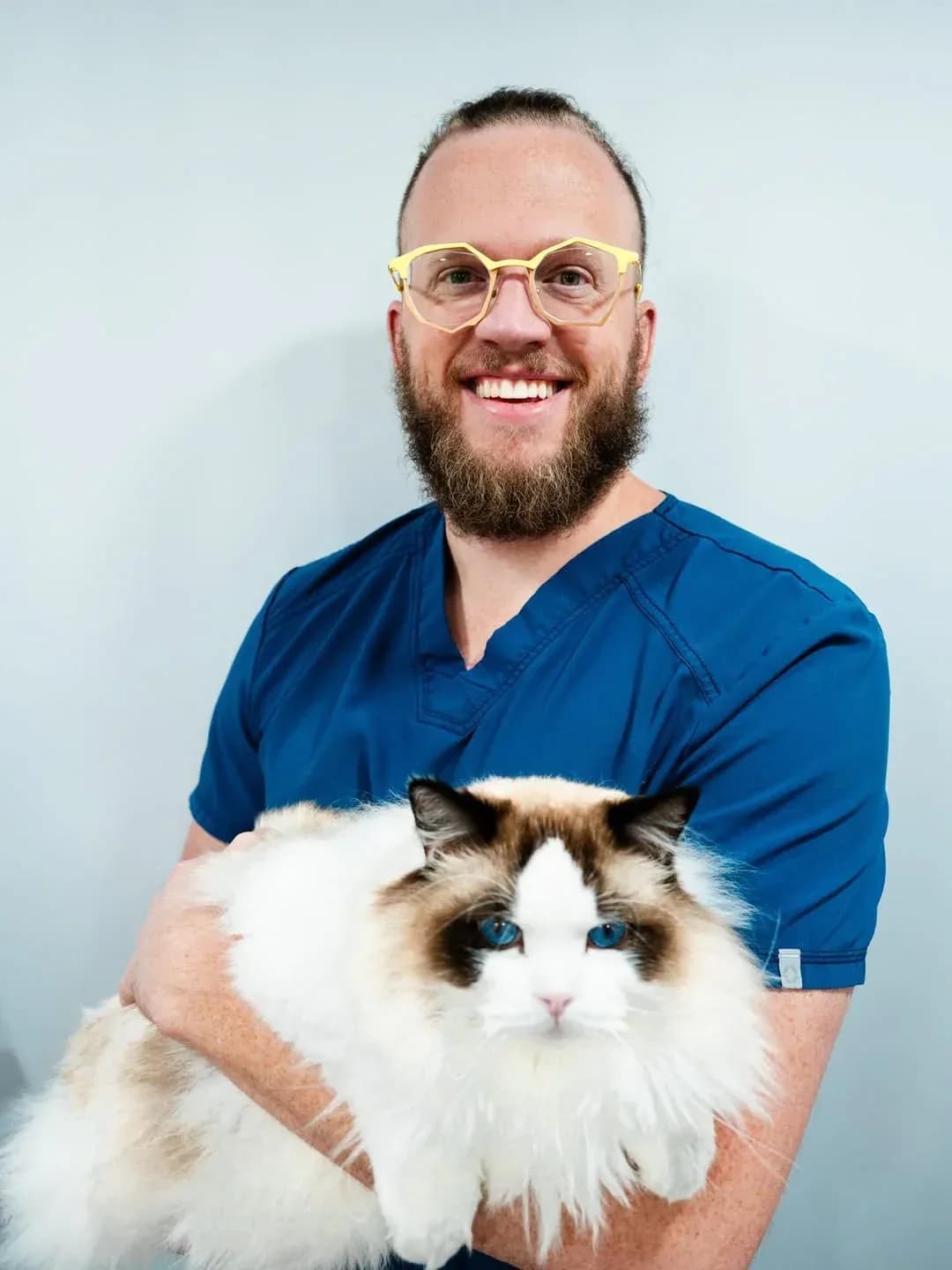
Ask A Vet articles are written by Dr Duncan Houston BVSc, a practising veterinarian, unless another author is named in the byline.