




What Is Taurine Deficiency and How Can It Affect Your Pet? 🐱🐶❤️
Taurine is a vital amino acid that plays an essential role in your pet’s heart function, vision, reproduction, and nervous system health ❤️🧠. While many pet owners have heard of taurine, few realise just how critical it is — particularly for cats.
Taurine deficiency can lead to serious, sometimes irreversible health problems if left unrecognised. The good news is that it’s largely preventable with appropriate nutrition and awareness 💚.
In this comprehensive guide, we’ll explore what taurine is, why it matters, which pets are most at risk, how deficiency develops, and what you can do to protect your dog or cat 🐾✨.
What Is Taurine? 🧬🐾
Taurine is a sulfur-containing amino acid. Unlike most amino acids, it is not used to build proteins but instead supports a variety of critical biological functions.
In pets, taurine contributes to:
- Heart muscle contraction ❤️
- Retinal (eye) function 👁️
- Bile acid formation for digestion 🧪
- Neurological development 🧠
- Immune system regulation 🛡️
Because taurine supports multiple organ systems, deficiency can have widespread consequences.
Why Taurine Is Essential for Cats 🐱
Cats are obligate carnivores and cannot synthesise sufficient taurine on their own. They must obtain it directly from animal-based protein sources.
If dietary taurine intake is inadequate, cats can develop deficiency relatively quickly.
This makes proper formulation of feline diets absolutely critical.
What About Dogs? 🐶
Dogs can synthesise taurine from other amino acids (methionine and cysteine), but certain breeds and dietary patterns may predispose them to deficiency.
Risk factors in dogs include:
- Grain-free or boutique diets lacking balance 🌾❌
- Large and giant breeds 🐕🦺
- Underlying digestive disorders 🦠
- Genetic predisposition 🧬
While less common than in cats, taurine deficiency in dogs can still be serious.
Signs of Taurine Deficiency in Pets 🚨🐾
1. Dilated Cardiomyopathy (DCM) ❤️
Taurine deficiency is strongly associated with a form of heart disease called dilated cardiomyopathy.
Signs may include:
- Lethargy 😴
- Exercise intolerance 🐕
- Coughing 🤧
- Breathing difficulty 😮💨
- Collapse in severe cases ⚠️
2. Retinal Degeneration 👁️
Cats may develop progressive retinal degeneration, leading to vision loss.
Early signs:
- Difficulty seeing in dim light 🌙
- Clumsiness or bumping into objects 🐾
3. Reproductive Issues 🐾
In breeding animals, deficiency can affect fertility and fetal development.
How Does Taurine Deficiency Develop? 🧠
Most cases arise from nutritionally imbalanced diets — particularly:
- Homemade diets without proper supplementation 🍲
- Poorly formulated commercial foods 🏷️
- Diets low in animal-based protein 🥩
Even well-meaning diet changes can create imbalance if not carefully planned.
Diagnosing Taurine Deficiency 🧪🐾
Diagnosis typically involves:
- Blood taurine measurement 🩸
- Cardiac ultrasound if DCM suspected 🩻
- Ophthalmic examination 👁️
Early detection improves outcomes significantly.
Treatment and Management 🩺🐶🐱
If deficiency is identified, taurine supplementation is typically initiated immediately.
In many cases:
- Cardiac function may improve ❤️
- Energy levels increase ⚡
- Progression may slow significantly ⏳
However, retinal damage is often irreversible if advanced.
How to Prevent Taurine Deficiency 🌿🐾
1. Feed Balanced, Species-Appropriate Diets 🍲
Choose nutritionally complete commercial foods that meet established standards.
2. Be Cautious With Homemade Diets 🥣
Homemade feeding requires precise supplementation planning.
3. Monitor Heart Health in At-Risk Breeds ❤️
Regular health checks allow early detection of cardiac changes.
4. Avoid Unverified Boutique Diets 🚫
Not all specialty diets are properly formulated.
Is Taurine Supplementation Safe? 💊🐾
Taurine supplementation is generally very safe when dosed appropriately. Excess taurine is typically excreted in urine.
However, supplementation should be guided by professional advice, especially if heart disease is suspected.
Taurine and Grain-Free Diet Concerns 🌾🐶
Some grain-free diets have been associated with diet-related DCM in dogs, potentially linked to taurine metabolism or ingredient formulation.
This does not mean all grain-free diets are harmful — but diet quality and balance are critical.
When to Seek Veterinary Advice 🩺🐾
Contact a professional if your pet shows:
- Persistent lethargy 😴
- Exercise intolerance 🐕
- Vision changes 👁️
- Chronic coughing 🤧
Early evaluation can dramatically improve outcomes.
A Final Word on Taurine 💕🐾
Taurine deficiency is serious — but highly preventable. With balanced nutrition and early awareness, you can protect your pet’s heart, vision, and long-term vitality 🐶🐱❤️.
If you’re unsure whether your pet’s diet is properly balanced, AskAVet.com and the Ask A Vet app provide personalised guidance to help you make confident decisions 📱🐾.
For trusted advice on nutrition, supplementation, and heart health, visit AskAVet.com and download the Ask A Vet app today. 📲🐶🐱
— Dr Duncan Houston BVSc 🩺💚
This article is general veterinary education and does not diagnose or treat an individual animal. Always confirm medication names, doses and interactions with the veterinarian who knows your pet.
If your animal is struggling to breathe, collapsed, bleeding heavily, seizing, or has eaten something toxic, contact your vet or the nearest emergency clinic now.
Animal Poisons Helpline (AU) 1300 869 738 · Animal Poisons Helpline (NZ) 0800 869 738 · ASPCA Animal Poison Control (US) (888) 426-4435
More from Ask A Vet
For everyday pet care, one scan or tap of the smart pet ID tag opens your pet's free profile on any phone, no app needed; the GPS pet tracker logs live location and activity trends; and the Ask A Vet app keeps your pet's records and routines together.
 QR & NFC Pet ID Tag for Dogs and CatsView ID Tag
The ASK A VET™ Smart ID Tag is a QR scan or NFC tap on any phone, no app needed, with a free profile you can update anytime.
 GPS Pet Tracker for Dogs and CatsView tracker
The ASK A VET™ Tracker logs live location and activity trends, so a change in routine never goes unnoticed.
 Talk to a Vet Online: The Ask A Vet AppExplore the app
Ask questions, speak with vets, and keep your pet's records and routines together with Ask A Vet.
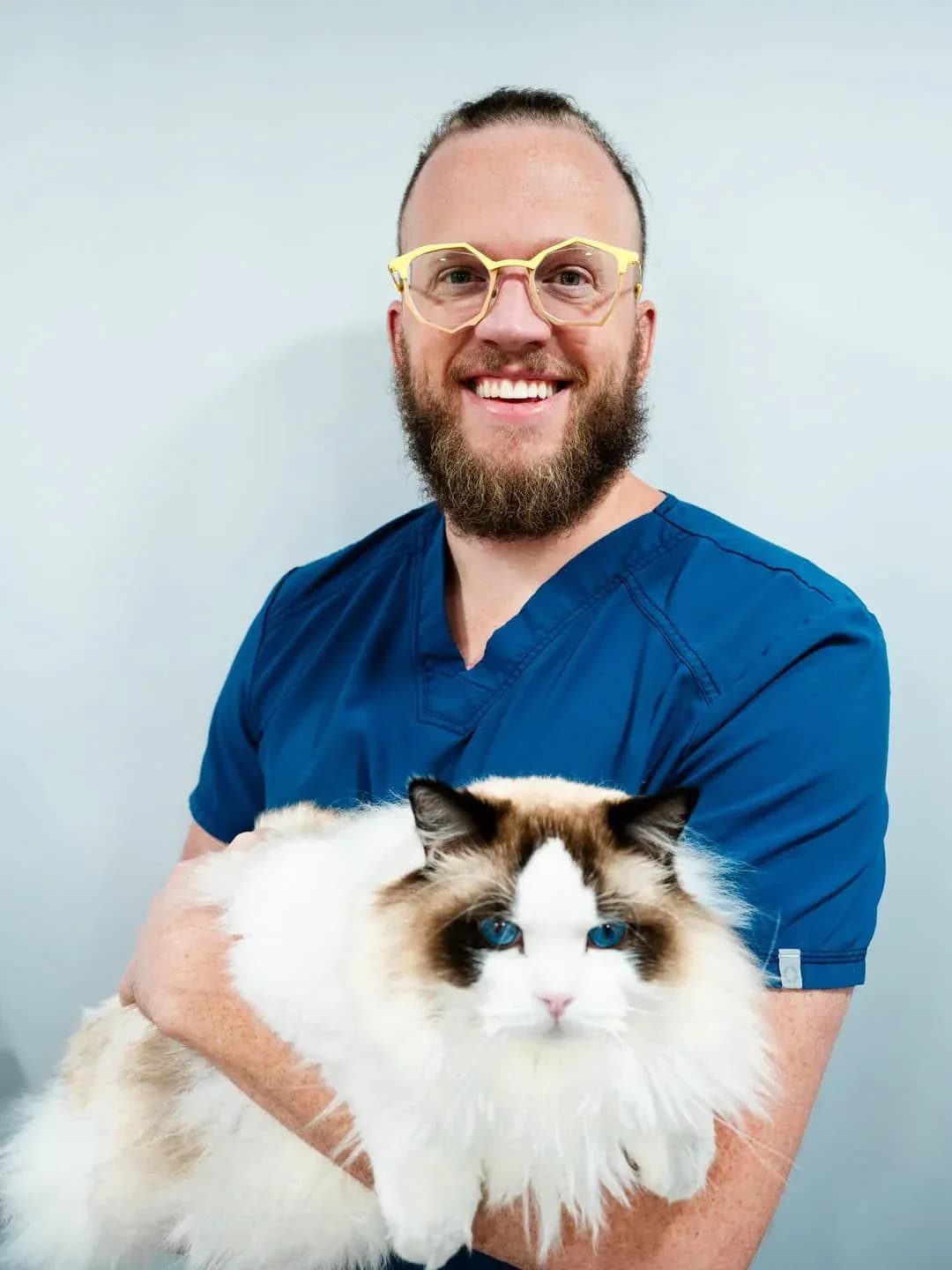
Ask A Vet articles are written by Dr Duncan Houston BVSc, a practising veterinarian, unless another author is named in the byline.