


Neck & Back Pain in Cats: 2025 Vet Insights 🐱🔬
Hello! I’m Dr Duncan Houston BVSc, feline veterinarian and founder of Ask A Vet. In 2025, neck and back pain in cats remains a complex and under-recognized issue. Whether caused by muscle strain, intervertebral disc disease (IVDD), congenital malformations like atlantoaxial instability, trauma, infection, or arthritis, spinal pain can lead to stiffness, lameness, altered posture, reluctance to jump, and decreased appetite. This guide covers causes, clinical signs, diagnostics (neurologic exam, imaging), treatment options (pain meds, surgery, rehab), emerging therapies, and how tools like Ask A Vet, Woopf & Purrz support healing at home. 💙
📌 Causes of Neck & Back Pain
- Muscle strains/sprains: Overexertion from jumping, stretching or minor trauma—common and often overlooked :contentReference[oaicite:3]{index=3}.
- IVDD: Degeneration or herniation of spinal discs leading to nerve compression and sudden pain :contentReference[oaicite:4]{index=4}.
- Atlantoaxial instability: Malformation between C1–C2 vertebrae causing spinal compression—severe neck pain, collapse, possible paralysis :contentReference[oaicite:5]{index=5}.
- Trauma/fractures: From falls, bites, vehicular injury; may cause spinal misalignment or nerve damage :contentReference[oaicite:6]{index=6}.
- Infections: Discospondylitis, osteomyelitis, meningitis may involve vertebrae and meninges—causing spinal pain :contentReference[oaicite:7]{index=7}.
- Arthritis/spondylosis: Degenerative joint change leading to stiffness—often subtle :contentReference[oaicite:8]{index=8}.
- Neoplasia: Tumors in bone or spinal canal leading to pain, gait changes :contentReference[oaicite:9]{index=9}.
🔍 Clinical Signs of Spinal Pain
- Stiff gait, reluctant to jump/climb, arched or hunched posture :contentReference[oaicite:10]{index=10}.
- Vocalizations (crying out) when moving neck or spine :contentReference[oaicite:11]{index=11}.
- Reduced activity, appetite decline, hiding behavior :contentReference[oaicite:12]{index=12}.
- Neurologic signs like limb weakness, ataxia, proprioceptive deficits, variable tail control :contentReference[oaicite:13]{index=13}.
- In severe cases, paralysis or loss of sensation :contentReference[oaicite:14]{index=14}.
🔬 Diagnostic Workflow
- History & physical exam: Note onset, trauma, behavior change.
- Neurologic exam: Evaluate reflexes, proprioception, tail tone :contentReference[oaicite:15]{index=15}.
- Imaging: Radiographs to detect fractures, disc space narrowing, spondylosis or osteomyelitis :contentReference[oaicite:16]{index=16}.
- Advanced imaging (CT/MRI): For detailed assessment of disc herniation, spinal cord compression, malformations, tumors :contentReference[oaicite:17]{index=17}.
- Myelography/EMG/nerve conduction: Optional for functional and dynamic assessment :contentReference[oaicite:18]{index=18}.
- Lab tests: CBC, biochemistry to exclude infection, inflammation, metabolic causes :contentReference[oaicite:19]{index=19}.
🛠 Treatment Approaches
A. Medical Management
- Pain relief via NSAIDs (meloxicam, robenacoxib), gabapentin, amitriptyline; opioids if needed :contentReference[oaicite:20]{index=20}.
- Emerging Solensia (frunevetmab), a monoclonal antibody for osteoarthritis pain relief in cats :contentReference[oaicite:21]{index=21}.
- Strict rest with crate confinement, padded bedding, and no jumping :contentReference[oaicite:22]{index=22}.
- Physical rehabilitation: gentle range-of-motion, hydrotherapy, strengthening :contentReference[oaicite:23]{index=23}.
- Address urinary/bowel issues if nerve-related.
B. Surgical Intervention
- Disc surgery (discectomy) for IVDD :contentReference[oaicite:24]{index=24}.
- Dorsal laminectomy for spinal decompression :contentReference[oaicite:25]{index=25}.
- Atlantoaxial stabilization for CA instability cases :contentReference[oaicite:26]{index=26}.
- Surgical debridement for infections; tumor excision/radiation where indicated :contentReference[oaicite:27]{index=27}.
- Prognosis post-surgery: 70–85 % regain function/incontinence control within weeks.
C. Combined Rehabilitation
- Integration of medical therapy, surgery, and rehab—manual therapy, laser, acupuncture, PEMF.
- Weight management and nutrition remain foundational.
📈 Prognosis & Monitoring
- Medical therapy yields improvement in ~50–60 % of mild cases :contentReference[oaicite:28]{index=28}.
- Surgery often provides good neurologic recovery in >70 % of cats.
- Monthly early follow-ups focus on gait, pain, bladder function; long-term focus on joint support.
🏠 At‑Home Care & Telehealth
- Ask A Vet: Guides pain management, exercise restriction, bladder/bowel support, and triage.
- Woopf: Delivers meds, supplements, harnesses, bedding, rehab devices.
- Purrz: Monitors mobility, litter habits, activity, pain indicators and alerts when status changes.
🛡 Prevention & Lifestyle Tips
- Maintain healthy weight to reduce spinal load.
- Provide ramps, soft surfaces, and discourage high jumps.
- Regular joint-supportive supplements (omega‑3, joint blends).
- Be cautious with children/pets during recovery.
🔬 2025 Innovations
- Frunevetmab injection (Solensia) effective for arthritis-related back pain :contentReference[oaicite:29]{index=29}.
- Emerging MC implants and 3D-printed spinal implants for precise decompression.
- Wearable gait monitors (via Purrz) and telehealth for remote monitoring.
- Minimal-access decompression (endoscopic techniques) under early clinical trial.
✅ Vet‑Approved Care Roadmap
- Recognize changes—stiffness, vocalization, reluctance to move.
- Veterinary evaluation with physical/neurologic exam and imaging.
- Choose initial medical or surgical pathway depending on severity.
- Implement rest, pain control, rehab; consider surgery if no improvement.
- Support care with Ask A Vet, Woopf & Purrz at home.
- Monitor regularly, re-assess treatment response, adjust as necessary.
- Maintain long-term spinal support and review at-risk behaviors/environment.
✨ Final Thoughts from Dr Houston
Neck and back pain in cats can stem from diverse causes, but with precise diagnosis, medical or surgical intervention, and supportive rehabilitation—facilitated by telehealth tools like Ask A Vet, Woopf and Purrz—most cats can regain comfort and mobility. Your careful observation and partnership with your vet make all the difference. 💙🐾
Need help creating a care plan? Visit AskAVet.com or download our app for guided rehab routines, pain management reminders, monitoring support, and expert oversight throughout your cat’s recovery journey.
This article is general veterinary education and does not diagnose or treat an individual animal. Always confirm medication names, doses and interactions with the veterinarian who knows your pet.
If your animal is struggling to breathe, collapsed, bleeding heavily, seizing, or has eaten something toxic, contact your vet or the nearest emergency clinic now.
Animal Poisons Helpline (AU) 1300 869 738 · Animal Poisons Helpline (NZ) 0800 869 738 · ASPCA Animal Poison Control (US) (888) 426-4435
More from Ask A Vet
For everyday pet care, one scan or tap of the smart pet ID tag opens your pet's free profile on any phone, no app needed; the GPS pet tracker logs live location and activity trends; and the Ask A Vet app keeps your pet's records and routines together.
 Hanging QR & NFC Pet ID TagView ID Tag
The ASK A VET™ Smart ID Tag is a QR scan or NFC tap on any phone, no app needed, with a free profile you can update anytime.
 GPS Pet Tracker for Dogs and CatsView tracker
The ASK A VET™ Tracker logs live location and activity trends, so a change in routine never goes unnoticed.
 Talk to a Vet Online: The Ask A Vet AppExplore the app
Ask questions, speak with vets, and keep your pet's records and routines together with Ask A Vet.
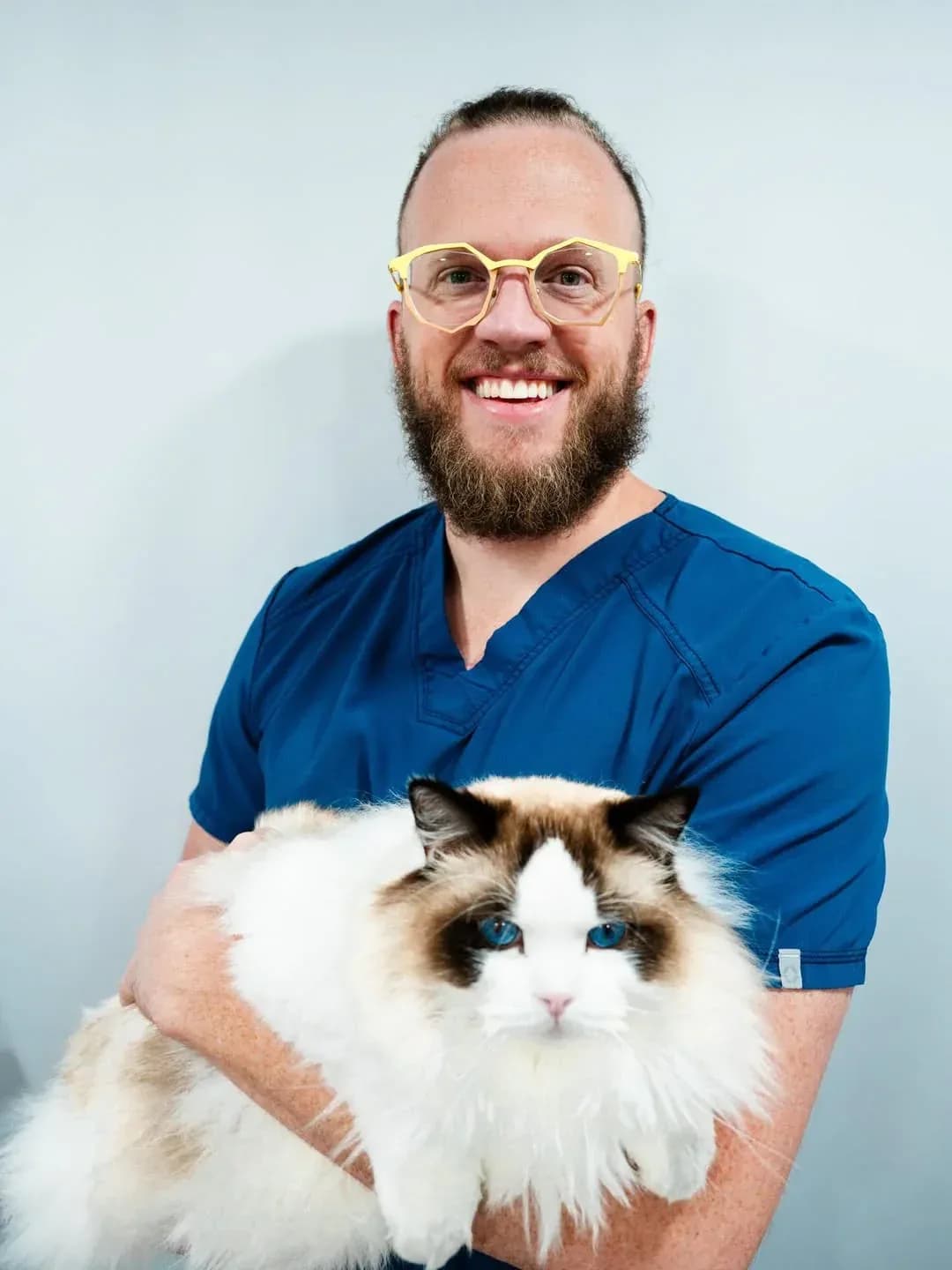
Ask A Vet articles are written by Dr Duncan Houston BVSc, a practising veterinarian, unless another author is named in the byline.