
Pet Food Transition Calculator
Switching your pet's food too fast is one of the most common causes of diarrhoea and vomiting. This tool builds a safe, day-by-day transition plan — adjusted for your pet's gut.
Who is switching food?
Enter your pet's details. The plan updates for raw, cooked, kibble or wet food — and slows down automatically if your pet has a sensitive gut.

What are they switching from and to?
The bigger the change in food format, the longer the plan runs.

How much do they eat each day?
Use the daily totals, not the per-meal amounts — the plan splits them for you.

Both amounts must be a number greater than zero, or the plan cannot be built.
How much of the OLD food your pet eats daily now.
The FULL daily amount of the new food once switched. Raw & cooked weigh more than kibble — use the new food's feeding guide.
How long should the switch take?
This is filled in from your answers. Change it if you need to, then build the plan.

(auto-set — you can override)
Transition length must be between 4 and 45 days.
Here is the day-by-day plan
Follow one row a day. Every amount below is already split across the meals you chose.
Your transition plan
Swipe the table sideways to see every column.
| Day | Mix (old → new) | Current food · per meal | New food · per meal | What to do |
|---|
Weigh food with kitchen scales for accuracy — cups are wildly inconsistent. Feed each meal at your pet's normal times.
Probiotic support
The golden rule: if the poop goes soft, pause — don't push
If stool turns loose or your pet seems off at any step, hold at the current ratio for 2–3 days until droppings firm up again, then continue. If it stays loose, drop back one step. A slow transition that works beats a fast one that lands you at the vet.
Normal & expected in the first few days
- Slightly softer stool or a bit more gas as the gut adjusts
- Keen appetite for the new food (especially raw/cooked)
- Minor changes in stool colour and volume, particularly moving to raw
Stop the transition and call a vet if you see
- Vomiting more than once or twice, or that won't settle
- Watery diarrhoea lasting more than 48 hours, or any blood in stool or vomit
- Not eating, lethargy, painful or bloated belly, or collapse
- Cats: refusing food for more than 24 hours — never let a cat go without eating (risk of hepatic lipidosis)
- Puppies, kittens, seniors or unwell pets going downhill — they dehydrate fast

Your plan will appear here
Build the plan and every day of the switch is listed in order: the old-to-new mix, the amount per meal and what to watch that day.

Talk. Track. Trust.
A food switch is easier to judge day by day
Track your pet’s food, stool, weight and symptoms in one place, and message a certified vet when something’s not right.
Download ASK A VET today

This calculator gives general guidance for healthy transitions and is not a substitute for individual veterinary advice. Pets with diagnosed disease, on medication, pregnant, very young or very old should be transitioned under the guidance of their own vet. Always ensure fresh water and handle raw food hygienically.
How the food transition plan works

The plan is a mixing schedule: one row per day, from the first day of the switch to the day the new food is the only food in the bowl. Day one starts at 10% new food, the last day is 100% new food, and the days in between step up evenly. The summary above the table shows that step as an average daily increase, which is simply the switch spread across the length you are using.
The transition length is filled in from your answers before you touch it. It starts from the gut-health answer — a healthy gut gets the shortest plan, a sensitive stomach a longer one, a history of diarrhoea longer again, and a diagnosed digestive disease the longest — then adds days for how far the food format moves (dry, wet, cooked, raw), more days again when raw food is on either side of the switch, and more for a cat moving to or from raw. Whatever you enter, the plan runs for between 4 and 45 days. The summary compares your length with the recommended one, so shortening it is visible rather than silent.
The amounts are worked out from the two daily totals you enter, not from the food packet: each day the old food is that day’s share of your current daily amount and the new food is its share of your target daily amount. Both are then divided by the number of meals you chose, so the table shows what to weigh into each meal with the whole day underneath it.
What the last column adds
- Day one carries the mixing note, because the two foods have to go in as one meal.
- A check-in day sits at the halfway point of whatever length you are running.
- When you told the tool there is a history of diarrhoea or a diagnosed digestive disease, the probiotic note appears early in the plan.
- The final row is marked as the day the switch is complete.
Nothing is stored: the plan is rebuilt in your browser each time you press build, so changing an answer and building again simply replaces it.
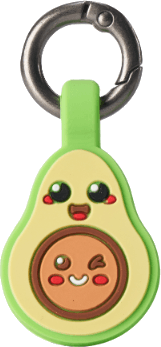
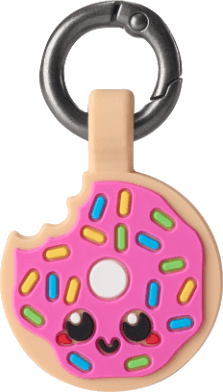
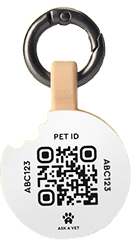
Ask A Vet also makes a GPS Tracker for dogs and cats. See the GPS Tracker
