


By Dr Duncan Houston
A senior cat may leave a little more food each day or feel bonier along the spine before the change becomes obvious on a scale. Those details deserve attention.
The right feeding plan keeps your cat nourished and comfortable while addressing any disease. Changing food alone cannot explain or treat every loss of appetite.
Quick Answer
Feed your senior cat a complete diet suited to their body condition, appetite and medical needs. Do not automatically reduce protein or calories because of age. Moist food can contribute water and may be easier to eat, but new pickiness, muscle loss or weight loss needs veterinary assessment rather than repeated food changes.
What changes with age?
Cats over 10 are generally considered senior, but their needs vary considerably. Some gain excess fat through reduced activity, while others lose weight or muscle. Body weight alone can miss muscle loss when fat mass is increasing.
The feline senior-care guidelines emphasise nutritional assessment alongside pain, disease and quality of life. A useful plan includes weight trends, muscle condition and how much the cat actually eats.
What should senior cats eat?
Start with a complete food that your cat accepts and that meets their nutritional needs. A “senior” label is not a substitute for reviewing calorie density, nutrient content and medical suitability. Cats need adequate protein to maintain tissues; restricting it without a reason can be counterproductive.
Wet food can supply additional water, and soft textures may help a cat eat while dental problems are being investigated. Dry food is not automatically unsuitable. The choice should reflect intake, health, preferences and any prescribed diet.
For home cooking, use a recipe formulated for the individual cat by a suitably qualified veterinary nutrition professional. Meat alone, or meat with vegetables, is not complete feline nutrition. Follow the recipe's supplements and preparation instructions exactly.
Does an older cat need a kidney diet?
Age alone is not a diagnosis of kidney disease. If chronic kidney disease is confirmed, a therapeutic renal diet may be an important part of treatment. It manages several nutrients, including phosphorus, rather than simply being “low protein”.
Diet transitions need patience, especially if nausea is present. Tell your vet if the prescribed food is not being eaten; do not allow prolonged inadequate intake while trying to enforce a perfect diet. The team can address nausea, texture, transition pace and other options.
Which feeding changes need a vet?
| Change | Possible explanation | Action |
|---|---|---|
| Stable appetite and weight, but a preference for another texture | Preference or subtle oral discomfort | Discuss it at assessment; monitor intake and chewing. |
| Weight or muscle loss, increased thirst or more urine | Kidney disease, thyroid disease, diabetes or other illness | Arrange a prompt examination. |
| Markedly reduced intake, vomiting, drooling or difficulty eating | Nausea, dental pain or systemic disease | Call the clinic the same day. |
| Collapse, breathing difficulty, severe weakness or repeated vomiting | Potential emergency | Seek urgent care now. |
What can look like fussiness?
A cat who approaches the bowl and then turns away may feel nauseated. Dropping food or chewing awkwardly can indicate oral pain. Arthritis may make a distant bowl or slippery feeding area difficult to use.
Weight loss despite a strong appetite raises different concerns, including hyperthyroidism and diabetes. Gastrointestinal disease and cancer are further possibilities. Your vet may recommend examination, blood and urine testing, dental assessment or imaging depending on the findings.
When is this an emergency?
Contact your vet the same day if a senior cat stops eating or eats substantially less than usual. Do not wait several days. Cornell's guidance on appetite loss explains why inadequate intake can itself become dangerous.
Go urgently for collapse, difficult breathing, severe weakness, repeated vomiting or obvious distress. Do not force-feed or syringe water into a struggling or weak cat.
A practical feeding plan
- Measure food offered and leftovers so “eating some” can be translated into actual intake.
- Use small, fresh meals in a quiet location away from competition.
- Try gently warming suitable wet food to improve aroma, checking that it is not hot.
- Place food and water on accessible, non-slip surfaces. Offer several water locations.
- Record weight regularly and ask your vet to demonstrate body and muscle-condition checks.
- Discuss supplements before adding them, particularly with kidney disease or several medications.
Common mistakes
- Assuming every older cat needs fewer calories.
- Reducing protein or starting a renal diet without assessment.
- Covering declining appetite with increasingly rich toppers.
- Believing moisture-rich food prevents kidney disease.
- Feeding raw meat because it seems more natural; raw diets carry contamination risks.
Supporting appetite beyond the bowl
Regular health checks, treatment of pain and nausea, dental care and easy access to resources matter as much as flavour. Preserve familiar routines and offer gentle play, comfortable rest and manageable enrichment. Introduce changes gradually to avoid unnecessary stress.
Frequently asked questions
Should all senior cats eat less protein?
No. Protein needs and any restrictions depend on the individual cat and diagnosed disease.
Is wet food always best?
It can help water intake and palatability, but a suitable food that the cat eats reliably is essential. Some cats do well with a combination.
Can I add supplements to homemade food?
Use the exact supplements in a professionally formulated recipe. Random additions do not reliably balance it.
What if my cat is losing muscle but not weight?
Arrange an assessment. Changes in fat and muscle can offset each other on the scale.
A senior feeding plan should adapt to the cat in front of you. Notice declining intake early and address its cause while keeping meals accessible and nutritionally appropriate.
ASK A VET™ can support you with questions about your senior cat's feeding routine and veterinary follow-up.
This article is general veterinary education and does not diagnose or treat an individual animal. Always confirm medication names, doses and interactions with the veterinarian who knows your pet.
If your animal is struggling to breathe, collapsed, bleeding heavily, seizing, or has eaten something toxic, contact your vet or the nearest emergency clinic now.
Animal Poisons Helpline (AU) 1300 869 738 · Animal Poisons Helpline (NZ) 0800 869 738 · ASPCA Animal Poison Control (US) (888) 426-4435
More from Ask A Vet
For everyday pet care, one scan or tap of the smart pet ID tag opens your pet's free profile on any phone, no app needed; the GPS pet tracker logs live location and activity trends; and the Ask A Vet app keeps your pet's records and routines together.
 Hanging QR & NFC Pet ID TagView ID Tag
The ASK A VET™ Smart ID Tag is a QR scan or NFC tap on any phone, no app needed, with a free profile you can update anytime.
 Dog & Cat GPS Tracker for Their CollarView tracker
The ASK A VET™ Tracker logs live location and activity trends, so a change in routine never goes unnoticed.
 Talk to a Vet Online: The Ask A Vet AppExplore the app
Ask questions, speak with vets, and keep your pet's records and routines together with Ask A Vet.
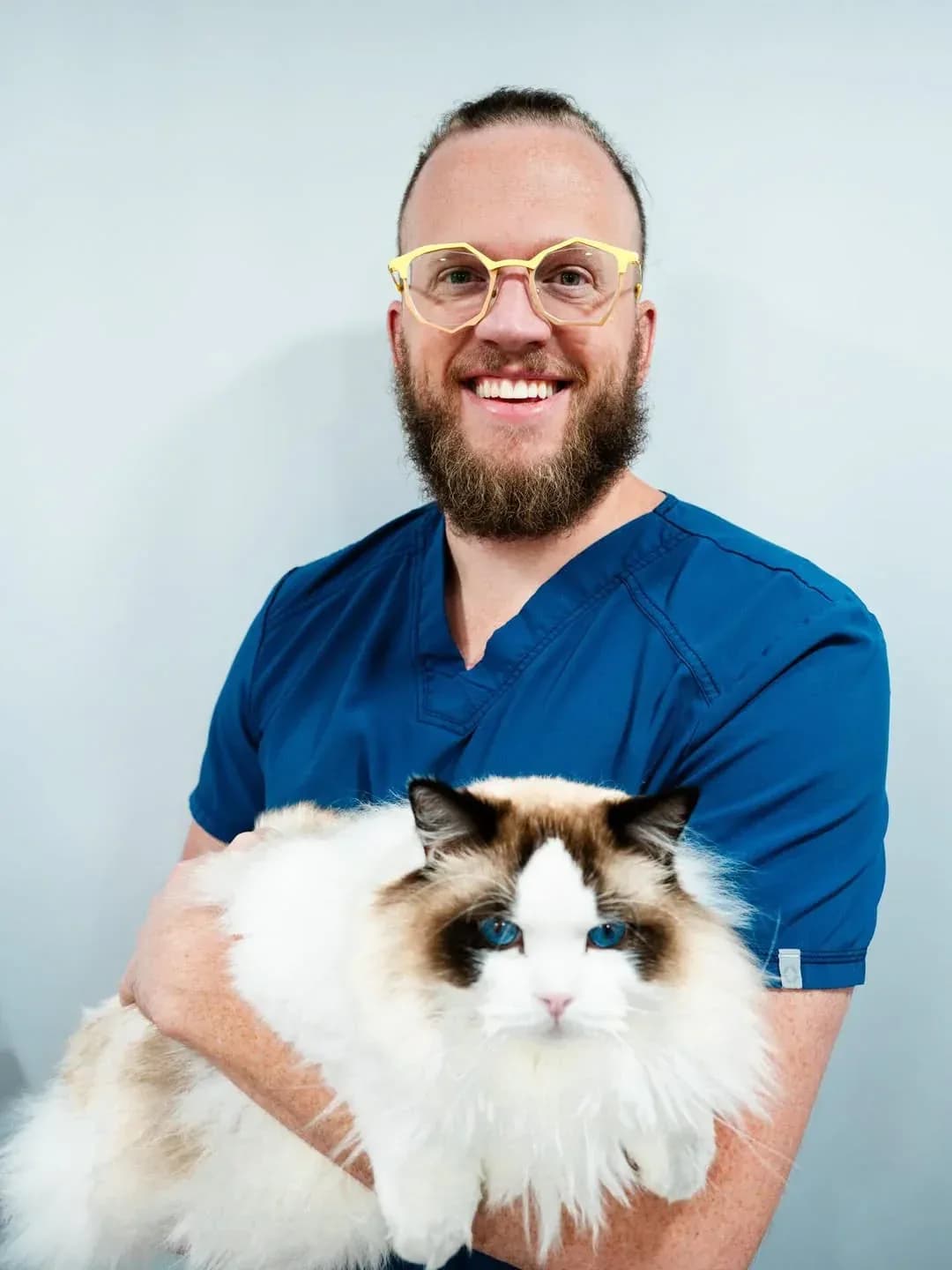
Ask A Vet articles are written by Dr Duncan Houston BVSc, a practising veterinarian, unless another author is named in the byline.