


By Dr Duncan Houston
A clump of fur on the floor is recognisable. A cat repeatedly crouching and hacking without producing anything is a different problem, and may be coughing rather than trying to bring up hair.
Hairball care should reduce swallowed hair while keeping other causes of vomiting and discomfort in view.
Quick Answer
Regular gentle brushing is a useful way to reduce the loose hair your cat swallows. Occasional hairballs can occur, especially in long-haired cats, but increasing episodes, repeated vomiting, weight loss or altered appetite need a veterinary check. Diet or hairball products should be chosen for the individual cat rather than added automatically. Repeated unproductive retching, marked lethargy or breathing difficulty needs urgent assessment.
Why do hairballs form?
Cats swallow hair while grooming, and much of it normally passes in the stool. Some collects in the stomach and may be brought up as a compact, often sausage-shaped clump. Long coats, shedding and excessive grooming can increase the amount swallowed.
Cornell's hairball overview describes these patterns. Finding hair in vomit does not prove it was the only reason for vomiting: a cat with another gastrointestinal problem also swallows fur.
How worried should you be?
| Pattern | Meaning | Action |
|---|---|---|
| Isolated hairball; normal appetite, activity and stools | May be an occasional grooming-related event. | Brush regularly and record further episodes. |
| Increasing hairballs, recurrent vomiting, constipation or excessive licking | Hair intake or an underlying condition needs assessment. | Book a veterinary appointment. |
| Repeated unsuccessful retching, poor appetite, pain or marked lethargy | Obstruction or another significant illness is possible. | Seek same-day urgent veterinary advice. |
| Open-mouth breathing, obvious breathing effort or collapse | Potential respiratory emergency. | Go to emergency care now. |
There is no single safe hairball frequency for every cat. A change from the usual pattern and accompanying symptoms are more useful than deciding that a weekly episode is always harmless.
What else can look like a hairball problem?
Coughing from asthma or other airway disease can resemble hacking. Vomiting may reflect parasites, food-responsive disease, constipation, intestinal inflammation, a foreign object or disease elsewhere in the body. Cornell's vomiting guidance explains why examination and targeted tests may be needed.
Excessive grooming can arise from fleas, allergy or pain. Stress is another possibility after medical causes have been considered. Bald patches and sore skin should not be dismissed as tidy grooming, as described in Cornell's overgrooming advice.
What can you do at home?
- Brush gently and consistently. Long-haired cats often benefit from daily sessions; adjust shorter coats to shedding and tolerance. Keep sessions brief and rewarding.
- Support normal hydration. Provide fresh water. A suitable complete wet food or water added to meals can increase dietary moisture, but is not a guaranteed hairball treatment.
- Watch the litter tray. Record stool frequency, straining and urine output alongside vomiting. Repeated straining without urine is an emergency, especially in male cats.
- Record episodes. Note whether hair, food or fluid appears, and take a short video of hacking if safe. Include appetite, weight and grooming changes.
- Address the trigger. Keep parasite prevention appropriate and provide comfortable resting places, play and predictable routines.
Do not cut tight mats close to the skin. Ask a veterinary team or experienced cat groomer for help.
Do fibre, oils or hairball remedies work?
Selected diets or veterinary hairball products may help some cats. The right choice depends on whether excessive hair ingestion, constipation or another condition is involved. More fibre is not always better, and adding pumpkin does not treat an obstruction.
Do not pour oil or liquid paraffin into your cat's mouth, use human laxatives or attempt an enema at home. Products can be aspirated or otherwise cause harm. Probiotics are not an established universal solution for hairballs.
When is this an emergency?
Seek immediate care for breathing difficulty, collapse, severe abdominal pain or repeated retching with deterioration. Contact your vet the same day for repeated vomiting, refusal of food or pronounced lethargy. Do not wait for several days without stool if your cat is also vomiting or uncomfortable.
Cornell's guidance on hairball complications notes that obstruction is possible and that hacking may have a respiratory cause. If string is visible at the mouth or anus, do not pull it; seek urgent advice.
Common mistakes to avoid
- Calling every vomiting or coughing episode a hairball.
- Trying repeated remedies while appetite or weight declines.
- Giving oils, laxatives or large amounts of fibre without advice.
- Ignoring bald patches, skin irritation or constipation.
Frequently asked questions
Can short-haired cats get hairballs?
Yes. Coat length affects risk, but short-haired cats also swallow fur.
Is weekly vomiting normal if there is hair in it?
Regular vomiting deserves discussion with your vet. Hair may be present even when another condition is contributing.
Can I give pumpkin every day?
Only as part of an appropriate plan. Fibre type and amount matter, and extras can displace balanced food.
How can I tell coughing from retching?
It can be difficult from description alone. A video helps your vet, but any breathing difficulty requires immediate care.
Reduce loose hair and monitor the whole cat. Repeated symptoms need an explanation, not simply a stronger hairball remedy.
ASK A VET™ supports practical decisions about grooming and digestive care. Share recurring episodes with your veterinary team so your cat gets help for the actual cause.
This article is general veterinary education and does not diagnose or treat an individual animal. Always confirm medication names, doses and interactions with the veterinarian who knows your pet.
If your animal is struggling to breathe, collapsed, bleeding heavily, seizing, or has eaten something toxic, contact your vet or the nearest emergency clinic now.
Animal Poisons Helpline (AU) 1300 869 738 · Animal Poisons Helpline (NZ) 0800 869 738 · ASPCA Animal Poison Control (US) (888) 426-4435
More from Ask A Vet
For everyday pet care, one scan or tap of the smart pet ID tag opens your pet's free profile on any phone, no app needed; the GPS pet tracker logs live location and activity trends; and the Ask A Vet app keeps your pet's records and routines together.
 Hanging QR & NFC Pet ID TagView ID Tag
The ASK A VET™ Smart ID Tag is a QR scan or NFC tap on any phone, no app needed, with a free profile you can update anytime.
 Dog & Cat GPS Tracker for Their CollarView tracker
The ASK A VET™ Tracker logs live location and activity trends, so a change in routine never goes unnoticed.
 Talk to a Vet Online: The Ask A Vet AppExplore the app
Ask questions, speak with vets, and keep your pet's records and routines together with Ask A Vet.
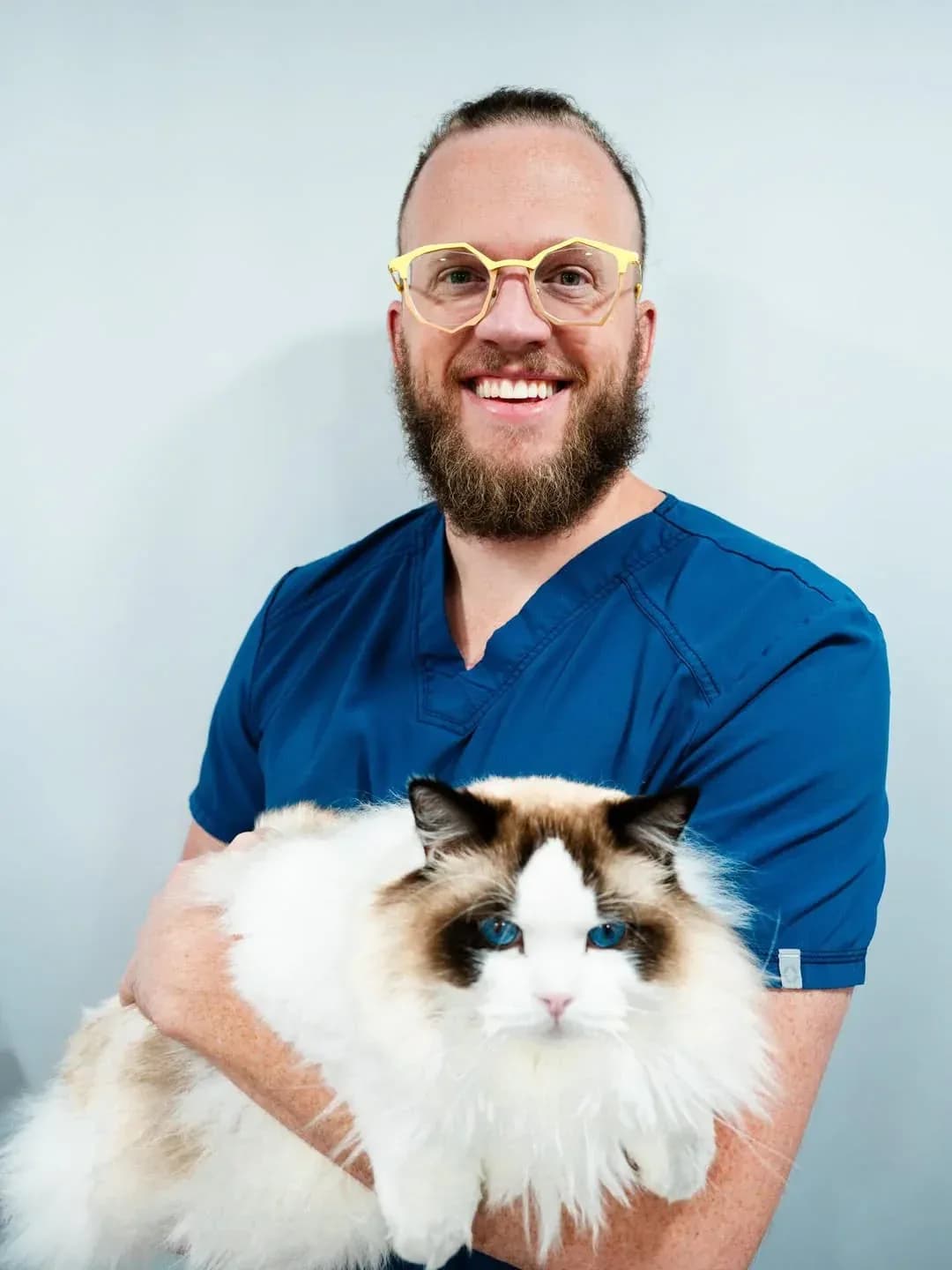
Ask A Vet articles are written by Dr Duncan Houston BVSc, a practising veterinarian, unless another author is named in the byline.