


By Dr Duncan Houston
After switching from dry food to a moist diet, you may notice that the water bowl needs refilling less often. Water in food counts towards intake, so this change can be expected.
However, the amount left in the bowl cannot confirm that your dog is healthy or hydrated. Appetite, urine output, illness and the weather all matter.
Quick Answer
Dogs eating moisture-rich canned or cooked food may drink less because some water comes from their meals. They still need fresh drinking water available at all times. A sudden unexplained change in drinking, reduced urination, vomiting, weakness or inability to keep water down needs veterinary advice, regardless of the diet.
Food moisture matters more than the word “natural”
Check the moisture information on the actual product. Canned and many fresh foods contain substantially more water than kibble, but the term “natural” does not specify water content, nutritional balance or safety. Dry food can support a healthy dog when the diet is appropriate and adequate drinking water is available.
There is no need to feed raw meat to provide water. WSAVA's raw-diet guidance describes infection and nutritional risks that remain even when a food has high moisture.
How much water does a dog need?
Requirements vary with size, food, activity, temperature, life stage and health. A veterinary maintenance estimate is around 60 mL/kg/day, but it is only a starting estimate and includes water from all sources. AAHA fluid guidance stresses individual assessment and adjustment for losses and illness.
Do not use a calculated amount as a daily maximum or force your dog to drink it. A hot, active dog and a resting dog eating wet food may have very different bowl intake. Puppies and dogs with disease need their own plan.
For example, 300 g of a food containing 75% moisture contributes approximately 225 mL of water. This calculation explains why bowl drinking may fall; it does not determine whether the dog's total intake is sufficient.
What changes need attention?
| Observation | Possible meaning | Action |
|---|---|---|
| Less bowl drinking after a wetter diet; normal eating, activity and urination | More water may be coming from food | Continue free access to water and monitor the trend. |
| Sticky gums, reduced urine, poor appetite or unusual lethargy | Dehydration or another illness is possible | Contact your vet the same day. |
| Persistent increase in thirst and urine volume | Heat, medication or a medical condition may contribute | Measure the pattern if practical and arrange assessment. |
| Collapse, confusion, repeated vomiting, breathing difficulty or straining without urine | Potential emergency | Seek immediate veterinary care. |
Can you check hydration at home?
Dry or sticky gums, sunken eyes and reduced skin elasticity can be concerning, but home checks are imperfect. Age, body condition and individual variation affect skin and gum findings. Normal-looking gums or urine do not reliably rule out early dehydration.
Look for changes together: eating less, vomiting, diarrhea, unusual tiredness and reduced urine output. If your dog is drinking more, do not restrict access. Cornell's guidance on increased thirst and urination explains why persistent changes may require investigation.
What else might explain a drinking change?
Warm weather and exercise increase losses. Nausea, dental discomfort or difficulty reaching the bowl can reduce intake. Kidney disease, diabetes, hormonal disease and some medicines can alter drinking and urination. A diet change may coincide with these problems without causing them.
Your vet may assess hydration and circulation, review medications and recommend blood and urine tests. Treatment addresses both the fluid imbalance and its cause.
When is this an emergency?
Collapse, marked weakness, confusion, severe breathing difficulty or repeated vomiting of water needs urgent care. A dog who repeatedly strains but cannot pass urine also needs immediate assessment.
After heat exposure, uncontrolled panting with weakness or altered awareness is an emergency. Move the dog away from heat, start cooling with water and airflow while contacting the emergency clinic, and follow their transport advice. Do not force water into the mouth.
Practical ways to support intake
- Keep clean, fresh water in easily reached bowls, including on trips.
- Offer regular water breaks and rest during activity. Use shade and avoid exercising in excessive heat.
- If appropriate for the diet, add plain water to a meal and serve it promptly.
- Wash bowls daily and check that other animals cannot block access.
- If asked to measure intake, record water offered and remaining over 24 hours, noting spills, shared bowls and moist food.
Cornell's summer safety advice also warns that swallowing excessive water during water play can be dangerous. Provide breaks rather than prolonged hose-catching or repetitive water retrieval.
Common mistakes
- Removing the bowl because the food is moist.
- Assuming fresh food prevents dehydration during illness.
- Using salty broth, sports drinks or dairy as routine hydration treatment.
- Forcing water by syringe into a weak or nauseated dog.
- Restricting water to manage excessive urination.
Frequently asked questions
Is drinking less after wet food normal?
It can be, if the dog remains well. An unexplained or persistent change with other symptoms needs assessment.
Does fresh food protect the kidneys?
Moisture can contribute to intake, but no general diet label guarantees kidney protection. Kidney disease requires an individual nutrition and hydration plan.
Can I just add water to kibble?
Often yes, if your dog accepts it. Follow storage and handling instructions and discard uneaten moistened food appropriately.
Should I offer broth if my dog refuses water?
First consider illness and call your vet if refusal persists or your dog is unwell. Broth is not a substitute for treating dehydration.
Use the bowl as one part of the picture. Comfortable eating, normal behaviour and a stable urine pattern are helpful observations, while illness or abrupt changes need investigation.
ASK A VET™ can support you with questions about your dog's hydration and feeding routine. Urgent signs need immediate veterinary care.
This article is general veterinary education and does not diagnose or treat an individual animal. Always confirm medication names, doses and interactions with the veterinarian who knows your pet.
If your animal is struggling to breathe, collapsed, bleeding heavily, seizing, or has eaten something toxic, contact your vet or the nearest emergency clinic now.
Animal Poisons Helpline (AU) 1300 869 738 · Animal Poisons Helpline (NZ) 0800 869 738 · ASPCA Animal Poison Control (US) (888) 426-4435
More from Ask A Vet
For everyday pet care, one scan or tap of the smart pet ID tag opens your pet's free profile on any phone, no app needed; the GPS pet tracker logs live location and activity trends; and the Ask A Vet app keeps your pet's records and routines together.
 Hanging QR & NFC Pet ID TagView ID Tag
The ASK A VET™ Smart ID Tag is a QR scan or NFC tap on any phone, no app needed, with a free profile you can update anytime.
 Dog & Cat GPS Tracker for Their CollarView tracker
The ASK A VET™ Tracker logs live location and activity trends, so a change in routine never goes unnoticed.
 Talk to a Vet Online: The Ask A Vet AppExplore the app
Ask questions, speak with vets, and keep your pet's records and routines together with Ask A Vet.
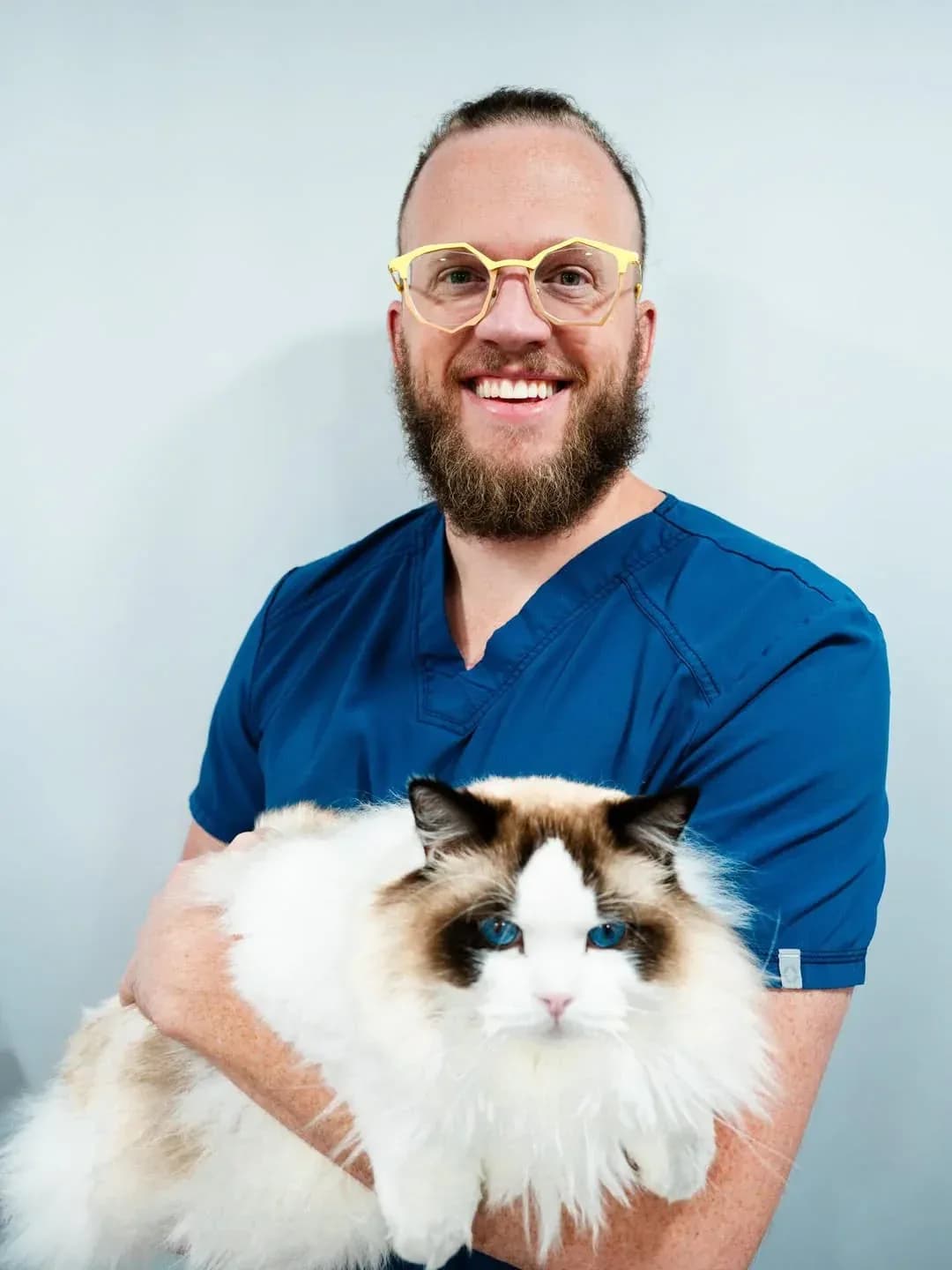
Ask A Vet articles are written by Dr Duncan Houston BVSc, a practising veterinarian, unless another author is named in the byline.