






By Dr Duncan Houston
Your older dog may need fewer calories than they once did, but less food is not automatically the answer. A dog can carry extra fat while losing muscle, and poor appetite or weight loss should not be dismissed as age.
The right plan starts with what is changing in this dog, rather than a promise on a “senior” or “natural” label.
Quick Answer
Feed a complete, balanced diet that maintains your senior dog's muscle, appropriate body condition and comfortable digestion. Healthy older dogs do not automatically need protein restriction, and fresh or minimally processed food is not inherently better than a suitable commercial diet. Adjust calories and meal texture to the individual, while investigating appetite, weight or thirst changes. If kidney or other disease is present, the nutritional plan should follow the diagnosis.
When does a dog become senior?
Size and expected lifespan matter: a giant-breed dog reaches later life earlier than a small breed. A birthday alone is a poor reason to change a diet that is working well.
Regular examinations help identify changes in teeth, mobility, muscle, weight and organ health. Blood or urine testing is chosen according to the dog's age, history and examination; normal tests do not make an unbalanced recipe safe.
What nutrition needs may change?
Many older dogs use less energy as activity decreases. At the same time, maintaining lean tissue remains important. AAHA's senior nutrition guidance recommends assessing both body fat and muscle because either can change independently.
Do not assume every senior dog digests food poorly or needs a low-protein diet. Weight loss in advanced age may reflect disease, inadequate intake or loss of muscle, while another dog needs fewer calories to avoid obesity.
Which feeding change fits your dog?
| Situation | Priority | Next step |
|---|---|---|
| Stable weight, healthy muscle and normal appetite | Maintain adequacy and consistency | Continue a suitable diet and review at routine checks |
| Weight gain with reduced activity | Reduce excess calories while preserving nutrients | Ask for a measured weight-management plan |
| Weight or muscle loss, declining appetite or increased thirst | Identify an underlying cause | Arrange a veterinary assessment promptly |
| Known kidney, digestive, endocrine or other disease | Match diet to the diagnosis and treatment | Use an individual nutritional plan with scheduled rechecks |
Choosing between dry, wet and home-cooked food
The best format is one your dog can eat comfortably, that meets their nutritional needs and that you can store and serve safely. Wet food or adding water to suitable dry food may help some dogs, but a new reluctance to chew also warrants an oral examination.
Check nutritional adequacy, calorie content and the manufacturer's formulation and quality-control information. The WSAVA food-selection checklist is more useful than judging the food by ingredients pictured on the package.
Home-cooked food can be appropriate when a veterinary nutrition professional formulates it for your dog. Lean turkey, pumpkin and oats alone are not a complete senior meal. Follow the full recipe and exact supplement instructions rather than substituting ingredients casually.
Protein, supplements and medical diets
Protein supports muscle, so age alone is not a reason to restrict it. In kidney disease, phosphorus control and other nutrient adjustments are important; protein decisions depend on stage, symptoms and nutritional condition. Do not replace a prescribed renal diet with a high-meat recipe simply because muscle is a concern.
AAHA's guidance on nutrition in senior disease management describes targeted dietary approaches for several conditions. Long-chain omega-3 fatty acids may be useful in some joint-disease plans, but adding multiple oils, minerals or vitamins to complete food is not automatically beneficial.
Discuss supplements with your vet, including the exact product and dose. Extra calories, drug interactions and excess nutrients matter. Raw meat and raw bones do not become safer because they are described as natural; cooked food avoids some of the pathogen risks of raw animal ingredients.
Why is my older dog eating less?
Dental pain, nausea, kidney disease, gastrointestinal illness, pain elsewhere in the body and medication effects can reduce intake. Difficulty reaching the bowl or competition from another animal may also contribute. A dog interested in food but dropping it needs a different assessment from one turning away nauseated.
Call your vet when appetite is meaningfully reduced, particularly if more than one meal is refused or the change accompanies weight loss, vomiting, lethargy or increased thirst. Frail dogs and those with chronic disease need advice sooner rather than a prolonged trial of richer foods.
When is urgent care needed?
Repeated vomiting, inability to keep water down, collapse, a painful swollen abdomen or breathing difficulty needs urgent veterinary care. A diabetic dog that will not eat needs prompt advice about both food and medication. Do not force-feed a weak dog or adjust prescribed treatment without guidance.
A practical daily feeding plan
- Measure the day's food and record how much is actually eaten.
- Offer meals in a quiet, accessible place with secure footing.
- Split the ration into smaller meals if that improves comfort or fits the treatment plan.
- If warming food, make it gently warm rather than hot and check its temperature.
- Keep fresh water available and report changes in drinking.
- Monitor weight consistently and ask your vet to show you how to assess muscle and body condition.
Common mistakes
- Attributing weight loss or bad breath to normal ageing.
- Restricting protein without an individual medical reason.
- Adding calorie-dense foods before investigating unexplained weight loss.
- Assuming a senior label guarantees the right calorie or nutrient profile.
- Using a homemade menu without a complete formulation.
Support health beyond the bowl
Appropriate walks, gentle strengthening activity and pain management help a dog remain active. Provide scent games, familiar routines, comfortable rest and manageable new experiences. Adapt exercise to comfort and medical advice; nutrition cannot compensate for untreated pain or chronic stress.
Frequently asked questions
Does every senior dog need senior food?
No. Diet choice should follow body condition, muscle, activity and disease rather than age alone.
Is fresh food better for older dogs?
Fresh food may suit individual preferences, but completeness, safety and nutritional suitability matter more than processing claims.
Should I lower protein to protect the kidneys?
Not simply because your dog is old. Discuss kidney findings and nutritional status with your vet before changing protein intake.
Can I soften my dog's usual food?
Often, yes, if the food's instructions allow it. Keep prepared food hygienic, and have new chewing discomfort assessed.
Feed the dog in front of you: protect muscle, avoid excess weight and investigate new changes before treating them as dietary preferences.
ASK A VET™ can support you in preparing questions about your senior dog's appetite, weight and nutritional care.
This article is general veterinary education and does not diagnose or treat an individual animal. Always confirm medication names, doses and interactions with the veterinarian who knows your pet.
If your animal is struggling to breathe, collapsed, bleeding heavily, seizing, or has eaten something toxic, contact your vet or the nearest emergency clinic now.
Animal Poisons Helpline (AU) 1300 869 738 · Animal Poisons Helpline (NZ) 0800 869 738 · ASPCA Animal Poison Control (US) (888) 426-4435
More from Ask A Vet
For everyday pet care, one scan or tap of the smart pet ID tag opens your pet's free profile on any phone, no app needed; the GPS pet tracker logs live location and activity trends; and the Ask A Vet app keeps your pet's records and routines together.
 QR & NFC Pet ID Tag for Dogs and CatsView ID Tag
The ASK A VET™ Smart ID Tag is a QR scan or NFC tap on any phone, no app needed, with a free profile you can update anytime.
 GPS Pet Tracker for Dogs and CatsView tracker
The ASK A VET™ Tracker logs live location and activity trends, so a change in routine never goes unnoticed.
 Talk to a Vet Online: The Ask A Vet AppExplore the app
Ask questions, speak with vets, and keep your pet's records and routines together with Ask A Vet.
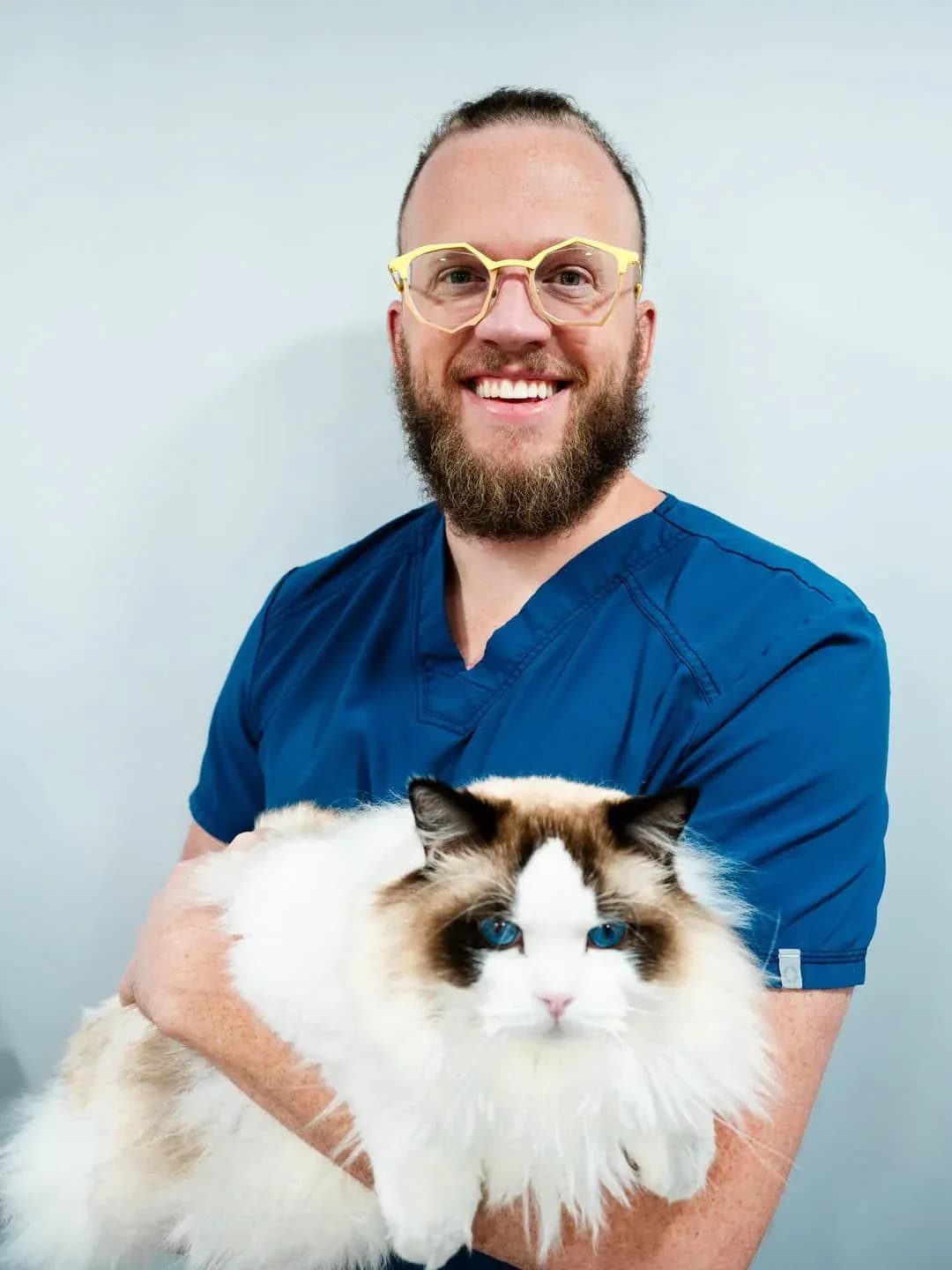
Ask A Vet articles are written by Dr Duncan Houston BVSc, a practising veterinarian, unless another author is named in the byline.