






By Dr Duncan Houston
A cat hiding more often, grooming excessively or avoiding the litter tray may be struggling. Stress is one possibility, but pain and illness can produce the same changes.
The safest starting point is to reduce pressure, check eating and toileting, and look for what has changed. A quieter environment is often more useful than adding a new scent or supplement.
Quick Answer
Calm a stressed cat by providing a safe retreat, predictable routines, accessible resources and control over contact with people or other animals. New hiding, overgrooming, aggression or toileting changes should prompt consideration of medical causes. Do not apply essential oils to your cat or diffuse them as an anxiety treatment. Persistent distress needs a veterinary plan, while inability to urinate, breathing difficulty or suspected poisoning requires urgent care.
What stress can look like
Changes may be subtle: less play, avoiding a familiar room, a crouched posture, watching another cat closely or waiting until the house is quiet to eat. Other cats hiss, swat, overgroom or urinate outside the box.
Compare your cat with their usual behaviour. A naturally quiet cat is not necessarily anxious, and purring does not guarantee comfort. Write down the setting, timing and any change in appetite, thirst, movement or elimination.
Check health before calling it behaviour
Dental pain can reduce eating, arthritis can make reaching resources difficult and urinary disease can cause repeated tray visits. Itchy skin or pain can trigger excessive licking. An older cat with new vocalising or restlessness may need assessment for several medical conditions.
Stress and illness can occur together. Making the home easier to navigate is worthwhile while a vet investigates, but it should not replace that assessment.
How much help does your cat need?
| Pattern | Priority | Next step |
|---|---|---|
| Brief avoidance after a disturbance, followed by normal eating, toileting and activity | Allow recovery and choice | Provide quiet space and avoid forced interaction |
| Repeated hiding, conflict, overgrooming or new toileting changes | Assess health and environmental pressure | Arrange a veterinary appointment and record the pattern |
| Food refusal, painful urination, wounds or marked lethargy | Medical problems may be present | Contact a vet promptly, usually the same day |
| Little or no urine despite straining, breathing difficulty, collapse or suspected toxin exposure | Possible emergency | Seek emergency veterinary care now |
Build a calmer home around five needs
The Feline Veterinary Medical Association's guidance on indoor cats identifies safety, separate resources, opportunities for play, predictable social contact and respect for the senses as fundamental needs.
- Provide a safe retreat. Use a quiet hiding place or raised resting spot that is easy to access. Do not pull the cat out to socialise.
- Separate resources. Offer food, water, litter trays, scratching areas and beds in multiple locations, especially in multi-cat homes. Watch for one cat blocking a doorway.
- Offer achievable play. Try brief wand-toy sessions and easy food puzzles. Let the cat catch a toy and stop before they become frustrated.
- Let contact be voluntary. Sit nearby, speak softly and allow approach. Pause petting to see whether the cat asks for more.
- Reduce sensory disruption. Avoid strong fragrances, unpredictable noise and abrupt changes to familiar resting areas.
Food and supplements: keep expectations realistic
Offer a complete diet your cat accepts, in a peaceful place away from litter trays and competitors. A diet change is not a proven general cure for anxiety. Broth can contain onion or garlic, and goat milk is neither nutritionally complete nor necessary for comfort.
Some veterinary diets or supplements containing ingredients such as alpha-casozepine or L-theanine may be considered for selected cats. Evidence and suitability vary, and human products may contain unsuitable ingredients. Ask your vet about the exact product, interactions and how you will judge benefit before adding it.
Do not wait for a supplement to work if eating has stopped. Cornell's guidance on feline appetite loss explains why a cat refusing food needs prompt assessment.
Are pheromones or calming scents helpful?
A feline synthetic pheromone product is different from an essential oil. It may be used as an adjunct to an environmental plan, following its instructions, but it does not resolve pain, competition or an unsafe introduction by itself.
Do not use lavender, chamomile or another essential oil as a treatment for a stressed cat. “Therapeutic grade” is not a veterinary safety guarantee. Oils can be absorbed through skin, swallowed during grooming or cause respiratory irritation, and diffuser droplets may settle on fur. Pet Poison Helpline's essential-oil safety advice describes these risks.
What to do after a sudden fright
Give the cat an escape route to a quiet area with their usual resources. Keep children and other animals away, avoid reaching into hiding places and allow recovery. Offer familiar food and check whether the cat eats and passes urine normally.
If a trigger will recur, such as visitors or building work, plan ahead with your vet. Persistent fear may need a qualified behaviour professional and prescribed medication as part of care. Do not force repeated exposure in the hope the cat will get used to it.
When is this an emergency?
Repeated straining with little or no urine, open-mouth or laboured breathing, collapse, seizures or severe weakness needs emergency assessment. Following essential-oil exposure, drooling, vomiting, wobbliness, tremors or breathing changes require urgent advice.
Stop the exposure, prevent licking when safe and call a veterinary clinic or animal poison service with the product details. Do not induce vomiting or give a home antidote. Move to fresh air if fumes are involved without delaying care.
Common mistakes
- Assuming hiding or house-soiling is deliberate misbehaviour.
- Picking up, hugging or restraining a frightened cat to comfort them.
- Adding multiple supplements, unfamiliar foods and fragrances at once.
- Placing every litter tray and food bowl in a single contested location.
- Delaying medical assessment because a stressful event seems to explain everything.
Prevent repeated stress
Maintain regular opportunities for rest, play and choice. Introduce new people, animals and experiences gradually, at a level the cat can tolerate. Leave the carrier available as familiar furniture and reward relaxed exploration. In multi-cat homes, look for quiet avoidance as well as obvious fighting.
Frequently asked questions
Is lavender safe to calm my cat?
Do not apply or diffuse lavender essential oil as a calming treatment. Choose environmental changes and discuss suitable options with your vet.
What is the best natural calming supplement?
There is no best product for every cat. Identify the problem first and review any formulation with a veterinary professional.
Should I comfort a hiding cat?
You can stay calmly nearby if that helps, but allow the cat to choose contact. Do not pull them out.
Can stress cause litter box accidents?
Yes, but urinary disease, pain and access problems must also be considered. Unproductive straining is an emergency.
Calming a cat means making daily life feel safe and predictable while addressing discomfort. Give them choice, protect their resources and seek help when the change persists.
ASK A VET™ can help you prepare observations and questions about your cat's stress and home environment.
This article is general veterinary education and does not diagnose or treat an individual animal. Always confirm medication names, doses and interactions with the veterinarian who knows your pet.
If your animal is struggling to breathe, collapsed, bleeding heavily, seizing, or has eaten something toxic, contact your vet or the nearest emergency clinic now.
Animal Poisons Helpline (AU) 1300 869 738 · Animal Poisons Helpline (NZ) 0800 869 738 · ASPCA Animal Poison Control (US) (888) 426-4435
More from Ask A Vet
For everyday pet care, one scan or tap of the smart pet ID tag opens your pet's free profile on any phone, no app needed; the GPS pet tracker logs live location and activity trends; and the Ask A Vet app keeps your pet's records and routines together.
 QR & NFC Pet ID Tag for Dogs and CatsView ID Tag
The ASK A VET™ Smart ID Tag is a QR scan or NFC tap on any phone, no app needed, with a free profile you can update anytime.
 GPS Pet Tracker for Dogs and CatsView tracker
The ASK A VET™ Tracker logs live location and activity trends, so a change in routine never goes unnoticed.
 Talk to a Vet Online: The Ask A Vet AppExplore the app
Ask questions, speak with vets, and keep your pet's records and routines together with Ask A Vet.
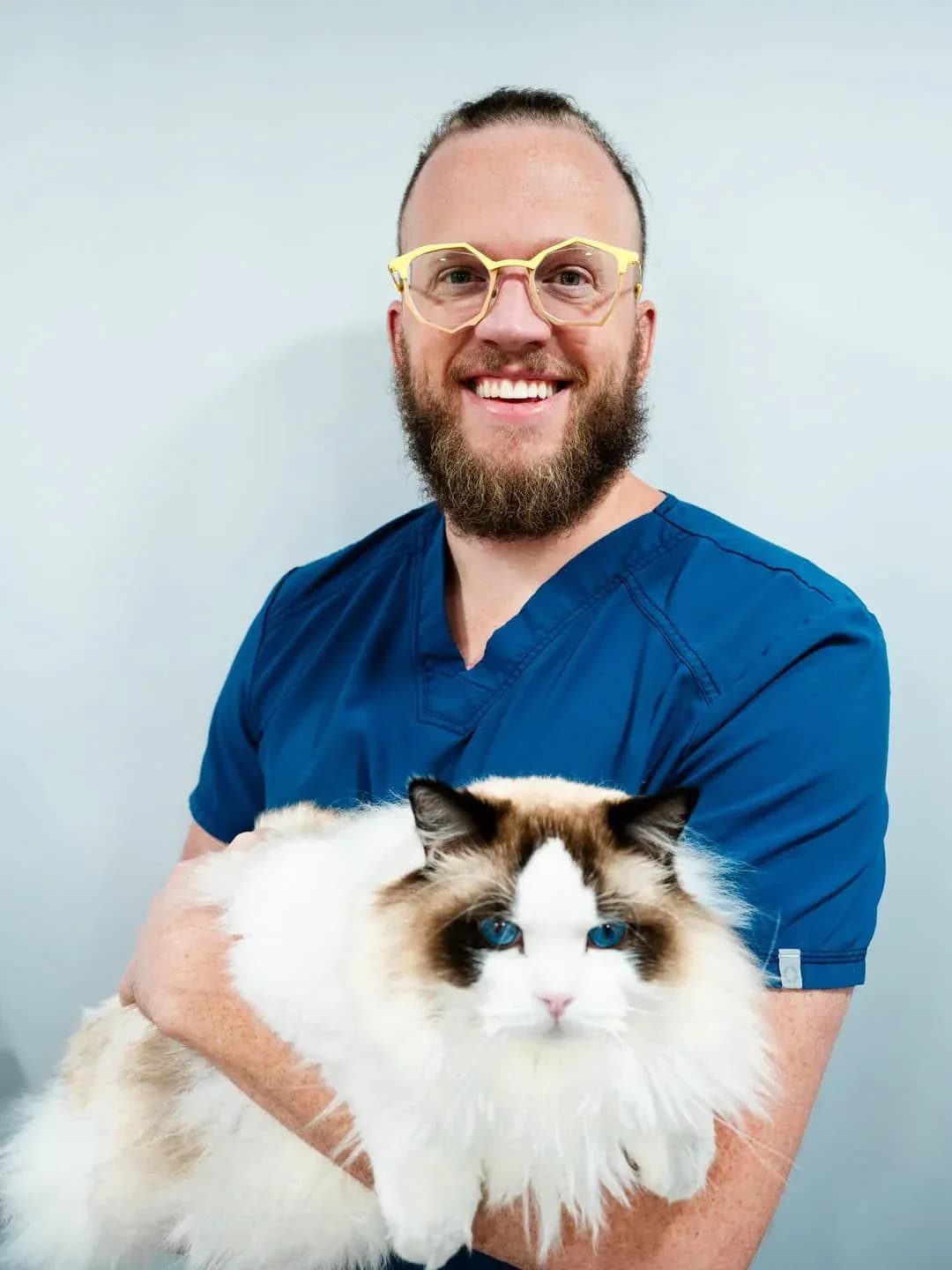
Ask A Vet articles are written by Dr Duncan Houston BVSc, a practising veterinarian, unless another author is named in the byline.