


By Dr Duncan Houston
A cat can keep eating despite painful teeth. Dropping food, chewing differently or grooming less may be the first change you notice.
Dental care works best when home prevention and veterinary assessment are used together. A natural remedy or a change in food cannot repair a painful tooth.
Quick Answer
Regular veterinary mouth checks and daily tooth brushing, when the mouth is comfortable, are the foundations of feline dental care. Bad breath, red gums, drooling, food dropping or appetite changes warrant examination. Wet food, ordinary kibble, raw meat and supplements do not replace treatment for periodontal disease or tooth resorption.
What dental problems do cats develop?
Plaque is a film of bacteria that forms on teeth. It can contribute to gingivitis, meaning gum inflammation. Periodontitis involves damage to the tissues supporting teeth and may cause permanent loss of attachment.
Cats also develop tooth resorption, in which tooth structure is broken down. This can be painful and may affect areas below the gumline. Brushing does not prevent every case, and established lesions require veterinary treatment.
Cornell's feline dental guidance explains why gingivitis, periodontitis and resorption need different assessment. The visible amount of tartar does not reliably show how painful the mouth is.
How urgently should you act?
| Finding | Concern | Action |
|---|---|---|
| No symptoms; comfortable with gentle handling | Prevention and hidden-disease screening | Maintain home care and regular veterinary checks. |
| Persistent bad breath, red gums or visible deposits | Possible dental disease | Arrange an examination rather than simply masking the smell. |
| Drooling, dropping food, facial swelling or markedly reduced intake | Pain, infection or another oral disorder | Contact your vet the same day. |
| Breathing difficulty, major mouth injury, uncontrolled bleeding or collapse | Emergency | Seek immediate care. |
What else can cause oral signs?
Mouth ulcers, inflammation affecting a wider area of the mouth, foreign material and tumours can resemble dental problems. Kidney disease and other systemic illness may also affect the mouth or appetite.
Your vet will assess the whole cat, not only the teeth. A complete dental assessment may require anaesthesia and dental X-rays to examine roots and structures hidden below the gumline. Age alone should not decide whether treatment is possible; the team assesses health and anaesthetic risk individually.
When is this an emergency?
Go urgently for difficult breathing, severe trauma, uncontrolled oral bleeding or collapse. Do not force open a painful mouth or reach deeply into it.
If your cat stops eating, has facial swelling or appears very painful, call the clinic the same day. Cats should not be left without adequate food while waiting for a dental appointment. Do not give human painkillers, and do not pull string seen under the tongue or protruding from the mouth.
How to introduce brushing safely
Have a sore or visibly inflamed mouth assessed before starting. Brushing painful gums can worsen distress and create lasting handling avoidance.
- Choose a quiet time and begin with brief, rewarding contact around the cheeks.
- Let your cat become familiar with a toothpaste made for cats. Never use human toothpaste.
- Gradually introduce a soft, appropriately sized brush to the outer tooth surfaces.
- Build up in short sessions without forcing the jaw open.
- Aim for daily care once accepted. Stop and seek advice for pain, bleeding or a sudden change in tolerance.
Cornell veterinary dental advice supports daily plaque removal. Brushing helps prevent plaque accumulation; it does not remove established disease below the gums or substitute for necessary professional treatment.
What role does diet play?
Ordinary dry food does not automatically clean teeth, and moist food has not been shown to prevent plaque simply by containing less carbohydrate residue. Raw meat and bones are not a safe dental treatment. Bones may fracture teeth and can create gastrointestinal and infection risks.
Some specifically evaluated dental diets or home-care aids can reduce plaque or tartar. If brushing is difficult, ask your vet about suitable alternatives and the evidence behind them. The Veterinary Oral Health Council evaluates evidence for plaque and tartar claims, but a dental aid still does not treat a painful tooth.
Common mistakes
- Assuming a cat who eats normally has no dental pain.
- Trying to scrape tartar off at home.
- Using hard bones, antlers or unsuitable chew objects.
- Relying on supplements or food texture to cure resorption.
- Waiting until complete food refusal before booking an examination.
A sustainable prevention routine
Pair brief mouth care with calm, positive handling. Observe eating, breath and grooming, and have the mouth checked during routine veterinary visits. Ask your vet when a professional dental procedure is indicated and what follow-up home care will be comfortable after treatment.
Not all dental disease is preventable, so a problem developing despite care is not a reason for blame. Early detection and appropriate treatment remain valuable.
Frequently asked questions
Does my cat need brushing if they eat dry food?
Yes, if their mouth is comfortable and they accept it. Ordinary kibble is not a substitute for plaque removal.
Can brushing prevent tooth resorption?
It cannot reliably prevent resorption. Veterinary examination and dental imaging are important when it is suspected.
Is bad breath just normal cat breath?
Persistent or worsening odour warrants assessment, especially with gum or eating changes.
What if my cat will not allow brushing?
Check for pain, then discuss gradual training and evidence-based alternatives with your vet. Avoid force.
Protecting comfort is the priority. Use gentle daily prevention where possible and investigate signs of oral pain promptly.
ASK A VET™ can support you with questions about your cat's mouth care and dental appointment. Severe symptoms need immediate veterinary attention.
This article is general veterinary education and does not diagnose or treat an individual animal. Always confirm medication names, doses and interactions with the veterinarian who knows your pet.
If your animal is struggling to breathe, collapsed, bleeding heavily, seizing, or has eaten something toxic, contact your vet or the nearest emergency clinic now.
Animal Poisons Helpline (AU) 1300 869 738 · Animal Poisons Helpline (NZ) 0800 869 738 · ASPCA Animal Poison Control (US) (888) 426-4435
More from Ask A Vet
For everyday pet care, one scan or tap of the smart pet ID tag opens your pet's free profile on any phone, no app needed; the GPS pet tracker logs live location and activity trends; and the Ask A Vet app keeps your pet's records and routines together.
 Hanging QR & NFC Pet ID TagView ID Tag
The ASK A VET™ Smart ID Tag is a QR scan or NFC tap on any phone, no app needed, with a free profile you can update anytime.
 Dog & Cat GPS Tracker for Their CollarView tracker
The ASK A VET™ Tracker logs live location and activity trends, so a change in routine never goes unnoticed.
 Talk to a Vet Online: The Ask A Vet AppExplore the app
Ask questions, speak with vets, and keep your pet's records and routines together with Ask A Vet.
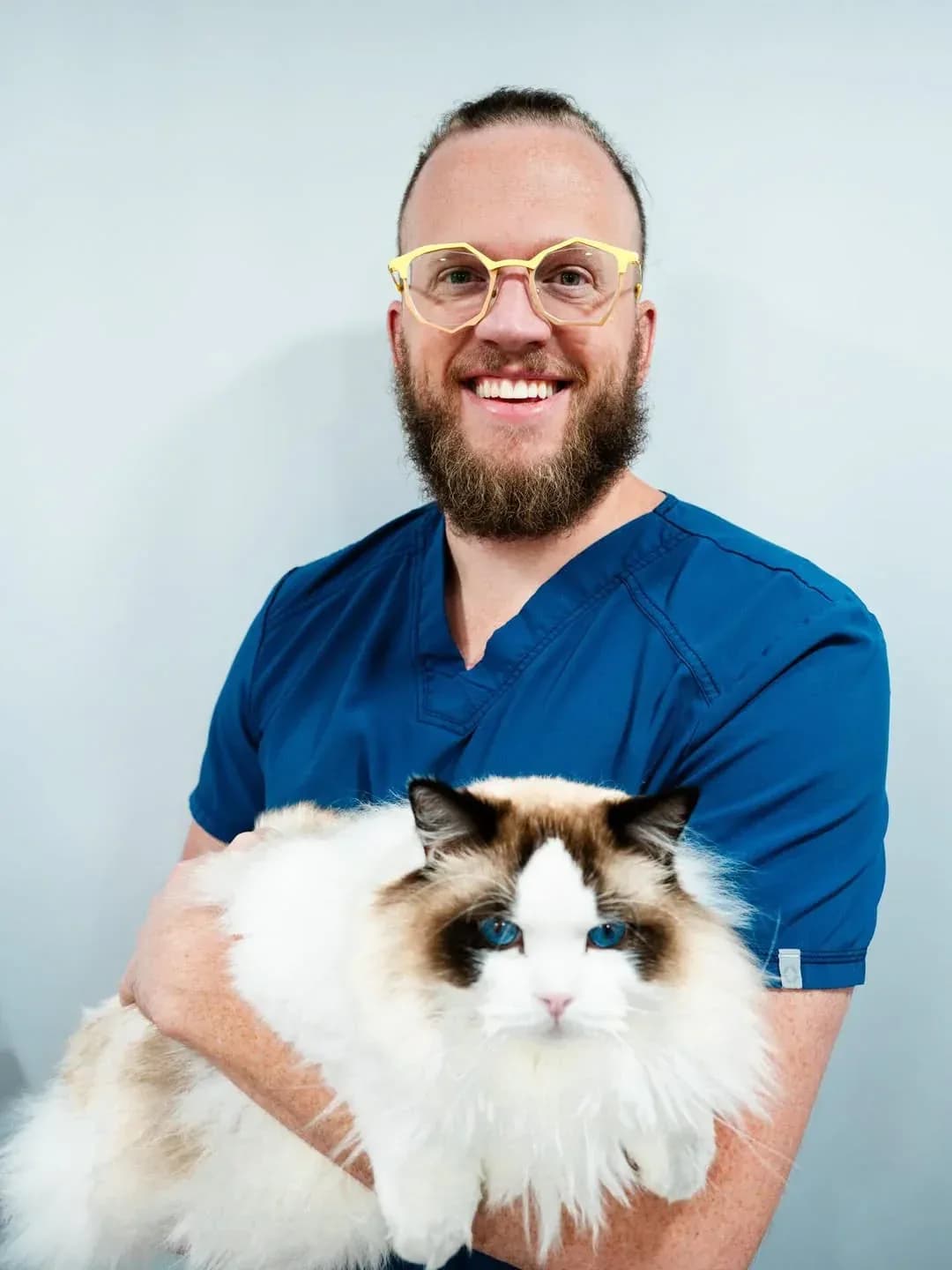
Ask A Vet articles are written by Dr Duncan Houston BVSc, a practising veterinarian, unless another author is named in the byline.