






By Dr Duncan Houston
Fresh ingredients can be appealing when you want to give a new puppy the best start. During growth, however, a food's nutritional formulation matters more than whether it is described as natural.
A puppy needs the right nutrients in the right proportions while bones, muscles and organs develop. Both deficiencies and excesses can cause harm, even when the puppy enjoys every meal.
Quick Answer
A fresh or home-cooked puppy diet must be complete and balanced specifically for growth, including growth of large-size dogs where relevant. Choose a properly formulated commercial puppy food or a precise recipe from a veterinary nutrition specialist. Do not improvise with meat, vegetables, bones or a general supplement, and do not add calcium to a complete growth diet unless directed. Monitor weight and body condition regularly so growth is steady rather than as fast as possible.
What does a growing puppy need?
Puppies require adequate energy, protein, essential fatty acids, vitamins and minerals. Calcium and phosphorus need particular attention, but correct mineral balance does not compensate for missing nutrients elsewhere.
The MSD Veterinary Manual's nutrition guidance explains how limited meat-based diets can cause calcium deficiency and why excess calcium is especially problematic during large-breed growth. A puppy's appetite is not a reliable test of nutritional adequacy.
Which feeding options are suitable?
| Option | What to check | Main concern |
|---|---|---|
| Commercial cooked, canned or dry puppy food | A complete nutritional statement for growth and the appropriate adult size. | Marketing language does not replace the adequacy statement. |
| Home-cooked recipe formulated for your puppy | Exact ingredients, preparation, supplement amounts and review schedule. | Substitutions and missed supplements can unbalance it. |
| Meat, vegetables and a general puppy supplement | No assumption of completeness is justified. | Nutrient deficiencies or excesses during development. |
| Raw food, including a product labelled complete | Nutritional adequacy and infectious hazards are separate questions. | Potential exposure of puppies and people to pathogens. |
For foods using an AAFCO nutritional statement, check that growth of large-size dogs is included if your puppy is expected to become large. In other regions, ask how the manufacturer demonstrates nutritional adequacy for your puppy's life stage. The MSD feeding guidance specifically addresses large-breed growth and the risks of unnecessary mineral supplementation.
Is raw feeding safe if the diet is balanced?
Balanced does not mean free of pathogens. Raw meat, eggs and unpasteurised dairy can carry organisms that affect animals or people, and freezing does not reliably remove every hazard. Puppies are a vulnerable group.
The FDA's raw pet food guidance describes contamination risks. A cooked complete diet can meet nutritional needs without relying on raw ingredients. Bones also create risks of fractured teeth and digestive injury; they are not a dependable way to balance calcium.
Feeding from weaning onwards
Very young puppies depend on their mother or an appropriate canine milk replacer and need a veterinary plan if orphaned. Cow or goat milk is not a complete substitute. Do not improvise bottle volumes or feeding technique for a weak newborn.
Puppies may begin exploring softened growth food around three to four weeks while continuing to nurse. Weaning is gradual. Cornell's weaning guidance notes that many puppies finish the transition between seven and ten weeks, with individual variation.
Recently weaned puppies generally benefit from several small meals, often three or four daily. As they grow, your vet can guide the move towards fewer meals. Tiny puppies and those with poor growth or illness may need a different schedule. Provide clean water once solid food is introduced.
How much should you feed?
Use the formulated recipe or food's feeding guide as a starting point, then adjust with your veterinary team according to growth and body condition. Weigh food rather than estimating by eye. Account for all training rewards and extras.
After weaning, weigh your puppy regularly, often weekly at first, using the same scale when possible. A growth chart can help show whether the trajectory is changing unexpectedly. You should usually be able to feel the ribs under a light covering, with a visible waist appropriate to the breed and age. Your vet can demonstrate this assessment.
Large and giant breeds need controlled calorie intake and an appropriate growth formulation. Overfeeding does not create a healthier skeleton. Avoid both unrestricted feeding and severe restriction intended to keep a puppy small.
Does a puppy need gut-health supplements?
Not automatically. Selected probiotics may be useful in particular circumstances, but they do not replace a complete diet or assessment of diarrhoea. Strain, formulation and reason for use matter, as discussed in Cornell's probiotic guidance.
Prebiotics and postbiotics are also specific categories of intervention, not essential additions to every puppy meal. Do not stack several supplements with overlapping ingredients. A puppy on a complete growth diet usually does not need an additional vitamin or mineral blend.
What if stools or growth are not normal?
Soft stools may follow abrupt food changes, overfeeding or rich extras, but parasites, infection and other disease are important alternatives. Poor growth despite eating well can require investigation of digestion or other medical problems. A puppy who is weak or not eating needs more than a different recipe.
Bring the full feeding history and, if requested, a fresh stool sample. The vet may review portions, examine the puppy and choose tests based on the signs. Do not assume a reaction to a diet change is a healthy adjustment or detox effect.
When is this an emergency?
Collapse, seizures, severe weakness, a painful swollen abdomen or suspected toxin or foreign-object ingestion need emergency care. Repeated vomiting, bloody diarrhoea, marked lethargy or refusal of meals in a young puppy warrants urgent same-day advice. Small puppies can deteriorate quickly, so do not apply an adult dog's waiting period.
A practical feeding plan
- Confirm the current diet is complete for growth and appropriate adult size.
- If home cooking, obtain a written specialist recipe before replacing the main diet.
- Follow ingredient weights, preparation and supplements exactly.
- Transition between foods gradually unless medically directed otherwise.
- Record weight, body condition, appetite and stools, then review the plan as the puppy grows.
- Combine nutrition with vaccination, parasite prevention, comfortable sleep and age-appropriate play and social experiences.
Common mistakes to avoid
- Choosing natural wording over a growth adequacy statement.
- Adding calcium or vitamin D to an already complete diet.
- Using an adult home-cooked recipe for a puppy.
- Making meat, liver or treats a large unbalanced part of daily calories.
- Trying to maximise growth speed or ignoring poor weight gain.
Frequently asked questions
Can a puppy thrive on home-cooked food?
Yes, when a veterinary nutrition specialist formulates the diet for growth and you follow it precisely with appropriate monitoring.
Can I add cooked chicken to puppy food?
Small extras may fit some feeding plans, but they count towards calories and can dilute nutrients. Ask your vet how much is appropriate for your puppy.
Should a large-breed puppy receive extra calcium?
Do not add it to a complete large-breed growth diet unless specifically prescribed. Excess calcium can be harmful.
When should I switch to adult food?
At the stage recommended for your puppy's expected size and development. Small breeds generally mature earlier than giant breeds, so there is no universal birthday.
Does a probiotic make a homemade recipe complete?
No. It does not supply the full balance of essential vitamins, minerals and fatty acids.
Choose a complete growth plan and keep checking how your puppy develops. Precision and consistency give fresh feeding its best chance of working safely.
ASK A VET™ supports informed choices through puppyhood. Your veterinary team can help match food, portions and monitoring to the puppy growing in front of you.
This article is general veterinary education and does not diagnose or treat an individual animal. Always confirm medication names, doses and interactions with the veterinarian who knows your pet.
If your animal is struggling to breathe, collapsed, bleeding heavily, seizing, or has eaten something toxic, contact your vet or the nearest emergency clinic now.
Animal Poisons Helpline (AU) 1300 869 738 · Animal Poisons Helpline (NZ) 0800 869 738 · ASPCA Animal Poison Control (US) (888) 426-4435
More from Ask A Vet
For everyday pet care, one scan or tap of the smart pet ID tag opens your pet's free profile on any phone, no app needed; the GPS pet tracker logs live location and activity trends; and the Ask A Vet app keeps your pet's records and routines together.
 QR & NFC Pet ID Tag for Dogs and CatsView ID Tag
The ASK A VET™ Smart ID Tag is a QR scan or NFC tap on any phone, no app needed, with a free profile you can update anytime.
 GPS Pet Tracker for Dogs and CatsView tracker
The ASK A VET™ Tracker logs live location and activity trends, so a change in routine never goes unnoticed.
 Talk to a Vet Online: The Ask A Vet AppExplore the app
Ask questions, speak with vets, and keep your pet's records and routines together with Ask A Vet.
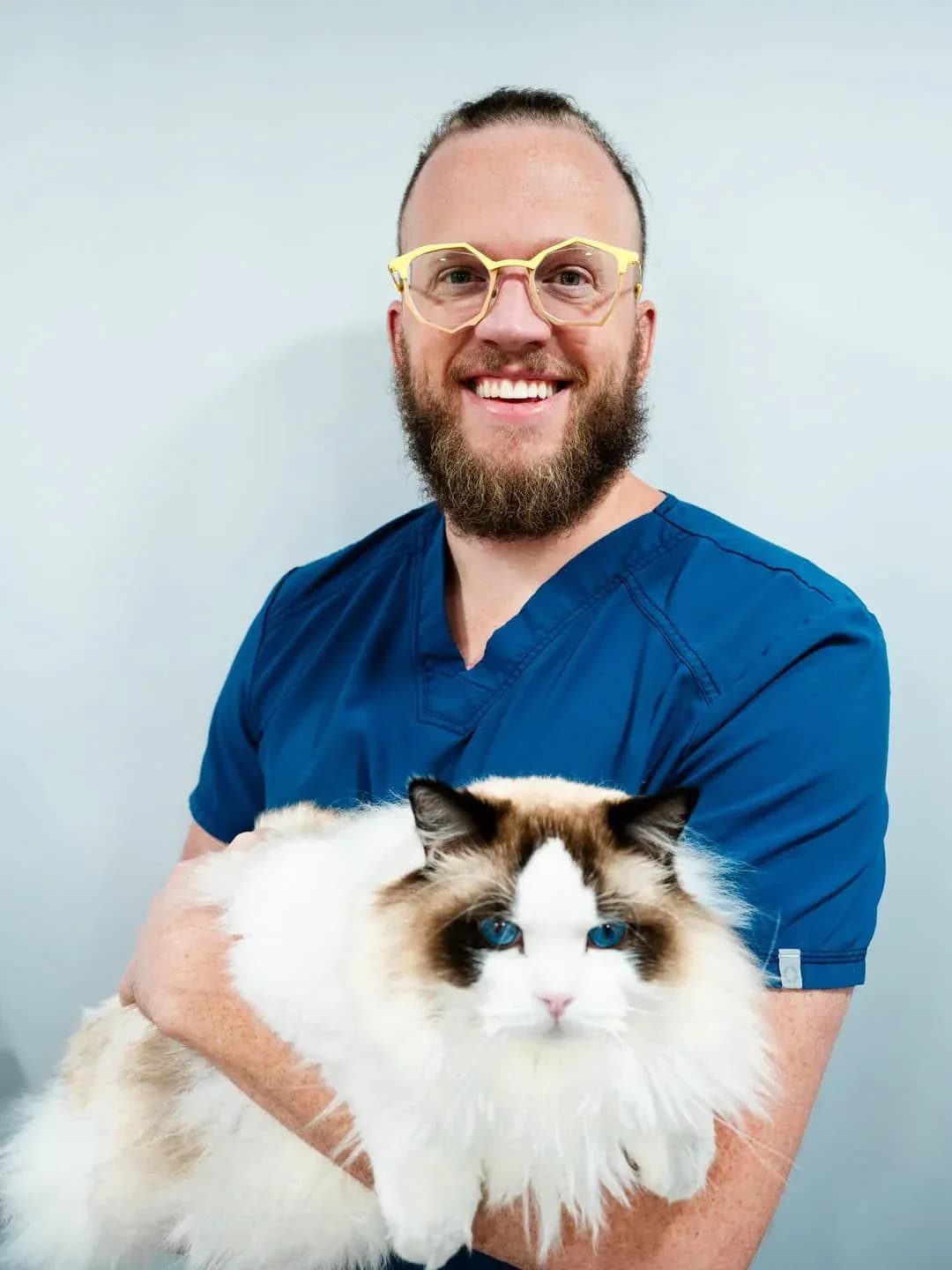
Ask A Vet articles are written by Dr Duncan Houston BVSc, a practising veterinarian, unless another author is named in the byline.