


By Dr Duncan Houston
Antioxidant supplements are often promoted for immunity, healthy ageing and recovery. Those promises can sound particularly appealing when a rabbit, guinea pig or other small pet seems vulnerable. However, an ingredient having antioxidant activity does not prove that giving more of it will prevent disease or extend your pet’s life.
The useful starting point is your pet’s species, current diet and health. A guinea pig’s essential need for vitamin C is different from a recommendation to give every small animal an antioxidant mixture.
Quick Answer
Meet nutritional needs through an appropriate, balanced diet before considering antioxidant supplements. Guinea pigs require a reliable dietary source of vitamin C, while rabbits and chinchillas have different requirements. Ask a veterinarian to assess any proposed supplement, particularly if your pet is unwell or taking medication.
What antioxidants do, and what claims can mean
Normal metabolism produces reactive molecules, and the body has systems that help control their effects. Some vitamins and other food components participate in these systems. This biological role is not the same as evidence that a concentrated supplement improves a particular disease.
For example, a study of antioxidant-enriched diets in dogs and cats measured antioxidant status and cellular markers. Such findings cannot establish the best supplement, dose or long-term outcome for a pet rabbit or chinchilla. Look for evidence in the relevant species and for outcomes that matter to the animal, rather than impressive laboratory terminology alone.
Start with the right diet for the species
Guinea pigs cannot make sufficient vitamin C themselves. They need it supplied reliably through their diet and, where advised, a suitable supplement. Poor intake can cause a genuine deficiency, with problems including painful movement, poor appetite and poor healing. Rabbit pellets are not a substitute for a guinea pig diet.
For rabbits, long-fibre forage supports normal digestive function and chewing. The Merck guidance on rabbit nutrition emphasises the importance of appropriate fibre. Adding sweet fruit because it contains antioxidants can displace more useful food. Greens and measured pellets should fit the individual rabbit’s overall feeding plan.
Chinchillas also need a diet based on grass hay with appropriate chinchilla pellets. Their diet should not be converted into a rabbit-style salad menu. The Merck chinchilla review identifies inappropriate fresh greens, high-carbohydrate diets and sudden dietary changes among possible contributors to soft stools.
How to assess an antioxidant decision
| Situation | Main concern | Useful next step |
|---|---|---|
| Healthy pet eating an appropriate diet | Extra ingredients may add no demonstrated benefit | Review the complete diet before buying a supplement |
| Guinea pig with uncertain vitamin C intake | Essential nutrient deficiency | Check food freshness, actual consumption and a reliable daily source with your vet |
| Pet losing weight or eating less | Illness may be mistaken for a nutritional gap | Arrange prompt assessment rather than starting an immune booster |
| Several overlapping supplements | Duplicated nutrients and unclear total intake | Bring every label to a veterinary review |
| Pet receiving treatment for chronic disease | Interactions or an unsuitable formulation | Obtain advice from the treating veterinarian |
Supplements, deficiencies and other explanations
A dull coat, reduced activity or repeated illness does not diagnose an antioxidant deficiency. Dental pain, inadequate food intake, infection, poor housing conditions and other medical problems can produce similar changes. A supplement may delay identifying the actual cause.
Tufts veterinary nutrition guidance cautions that supplements can cause excessive nutrient intake and that product quality matters. That guidance chiefly concerns dogs and cats; it is a reason for caution, not a small-mammal dosing guide. Human products, concentrated oils and mixed herbal preparations should not be assumed suitable for a much smaller animal.
When veterinary care is urgent
A rabbit, guinea pig or chinchilla that stops eating, passes markedly fewer droppings, becomes bloated or appears painful needs prompt veterinary advice. Breathing difficulty, collapse, seizures or suspected supplement poisoning require emergency help. Bring the packaging and report the possible amount and time of exposure. Do not wait for an antioxidant product to improve these signs.
A practical five-step nutrition review
- Record everything offered for several days, including treats, forage, pellets and supplements.
- Check what the pet actually eats. A full bowl is not evidence of adequate intake.
- Photograph food labels, batch details and expiry dates, and note storage conditions.
- Ask your vet which nutritional need or diagnosis a proposed supplement would address, and how improvement would be assessed.
- Agree on the exact product, amount, duration and review plan if supplementation is indicated. Change routine diets gradually unless the vet gives different instructions.
Common mistakes to avoid
- Assuming a human health claim has been demonstrated in your pet’s species.
- Using fruit or sweet treats as the main source of extra nutrients.
- Combining several products without calculating overlapping ingredients.
- Replacing diagnosis and treatment with an immune-support claim.
Prevention is mostly everyday care
Keep food dry and fresh, check water delivery daily, provide appropriate exercise and monitor weight trends. Review feeding needs during growth, pregnancy, ageing or illness. These routines also help you notice whether a pet is becoming selective about food, which can be an early clue to dental trouble.
Frequently asked questions
Does every guinea pig need a separate vitamin C supplement?
Every guinea pig needs reliable vitamin C intake. Whether its diet supplies enough depends on the food, freshness, consumption and health status; your vet can recommend a dependable plan.
Are natural antioxidants always safe?
No. Safety depends on the substance, concentration, formulation, amount and species. A plant-based label does not resolve those questions.
Can antioxidants prevent cancer or make a small pet live longer?
Do not rely on that promise. A product needs relevant clinical evidence, and routine supplementation should not be presented as a proven prevention strategy.
A sound feeding plan is more useful than a long supplement list. Identify the specific need first, then make any change with a clear purpose and a way to check its effect.
For help reviewing your small pet’s diet and supplement questions, ASK A VET™ can help you prepare for a discussion with your treating veterinarian.
This article is general veterinary education and does not diagnose or treat an individual animal. Always confirm medication names, doses and interactions with the veterinarian who knows your pet.
If your animal is struggling to breathe, collapsed, bleeding heavily, seizing, or has eaten something toxic, contact your vet or the nearest emergency clinic now.
Animal Poisons Helpline (AU) 1300 869 738 · Animal Poisons Helpline (NZ) 0800 869 738 · ASPCA Animal Poison Control (US) (888) 426-4435
More from Ask A Vet
For everyday pet care, one scan or tap of the smart pet ID tag opens your pet's free profile on any phone, no app needed; the GPS pet tracker logs live location and activity trends; and the Ask A Vet app keeps your pet's records and routines together.
 QR Code Dog & Cat ID Tag with NFC, HangingView ID Tag
The ASK A VET™ Smart ID Tag is a QR scan or NFC tap on any phone, no app needed, with a free profile you can update anytime.
 Dog & Cat GPS Tracker for Their CollarView tracker
The ASK A VET™ Tracker logs live location and activity trends, so a change in routine never goes unnoticed.
 Talk to a Vet Online: The Ask A Vet AppExplore the app
Ask questions, speak with vets, and keep your pet's records and routines together with Ask A Vet.
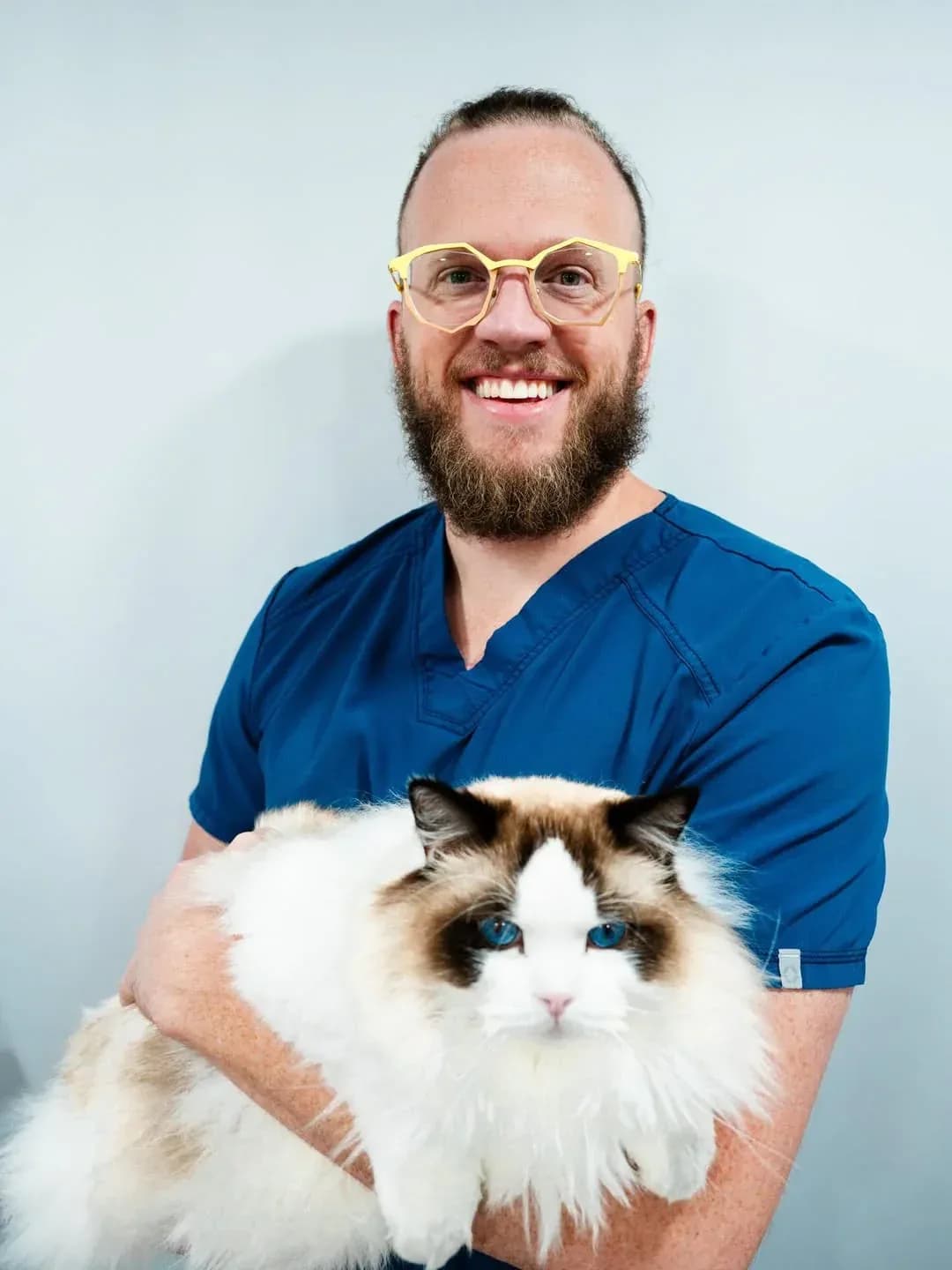
Ask A Vet articles are written by Dr Duncan Houston BVSc, a practising veterinarian, unless another author is named in the byline.