
Pet Quality of Life Calculator for Dogs & Cats
Score your pet's pain, appetite, hydration, hygiene, happiness, mobility and good days using the veterinary HHHHHMM quality of life scale. This free tool helps turn a difficult gut feeling into a clear result you can track and discuss with your vet.
Score the seven areas of their life
Seven questions about the last week or two, each scored from 0 to 10.

Start your pet's quality of life assessment
You will score seven areas of your pet's life, the same seven vets use in end-of-life consults: pain, appetite, hydration, hygiene, happiness, mobility, and whether the good days still outnumber the bad. It takes about two minutes. Answer honestly, not hopefully.
How to get an honest answer
- Score how they have been over the last week or two, not just their best moment today.
- Repeat it weekly (or every few days if they are declining). The trend matters more than any single number.
- If more than one person loves this pet, score separately and compare. Hope skews scores upward.
- No calculator makes this decision. It just helps you see clearly so you and your vet can make it together.
Contact a vet now, before finishing this, if you see
These are suffering-now signs. They override any score:
What their score says
The total, the seven areas behind it, and what to do next.
Your pet's quality of life result
Where they are struggling most
Green areas are holding up. Red areas show where suffering may be concentrated or where your veterinarian may still be able to help. In the original HHHHHMM framework, a total above 35 has been proposed as acceptable, but the total must be interpreted alongside every individual domain, urgent signs and a veterinary assessment.
What to do next
What actually happens during euthanasia (honest answers from a vet)
Fear of the unknown makes this decision harder than it needs to be, so here is what usually happens.
Many vets give a sedative first, although protocols vary. The aim is for your pet to become calm and sleepy over several minutes, often on a blanket or in your lap.
The final medication is a concentrated anaesthetic agent. It is intended to produce rapid, deep unconsciousness before breathing and the heart stop.
A few normal things can look alarming if nobody warns you. The eyes usually stay open. There can be a reflex breath, a muscle twitch, or release of the bladder after they have passed. None of these mean awareness or distress.
Whether you stay is a personal decision. Some people want to hold or speak to their pet; others find remaining in the room too difficult. Your veterinary team will keep your pet supported and cared for either way.
You have choices. Many areas offer home euthanasia, and aftercare can include private cremation, communal cremation, or home burial where permitted.
After the goodbye
Grief for an animal is real grief. They were part of your daily rhythm, and losing that routine hurts as much as losing the animal.
Children often benefit from honest, simple language rather than “put to sleep,” which can create confusion about normal sleep. Other pets may also show behavioural changes after a loss.
If the grief is heavy, pet loss support lines and counsellors exist for exactly this, and your vet team can point you to them.
You count in this decision too
Quality of life includes yours. The physical, emotional and financial load of nursing a declining pet is a real part of this decision, and factoring it in is not selfish.
Grieving before your pet is gone is called anticipatory grief, and it is completely normal. Discussing the plan before a crisis gives you time to ask questions and choose the setting that is right for your pet and family.
Contact a vet straight away if
Compare with a previous score
Enter an earlier total to see whether the overall trend is improving, stable or declining.

Don't carry this decision alone
Talk it through with a registered veterinarian, and track quality of life scores, appetite, pain and good days over time inside the ASK A VET™ app, so you can see the trend clearly when it matters most.
Download ASK A VET today

This calculator is a guided adaptation of the HHHHHMM Quality of Life Scale developed by veterinary oncologist Dr Alice Villalobos. It is an educational aid, not a diagnosis or euthanasia decision, and no score can replace an examination by your own veterinarian.
Quick answer: what this calculator does

This free, two-minute pet quality of life calculator helps you assess seven parts of your dog or cat's daily wellbeing: pain and breathing, appetite, hydration, hygiene, happiness, mobility, and whether good days still outnumber bad. Each area is scored from 0 to 10 for a maximum total of 70.
In the original HHHHHMM framework, a total above 35 was proposed as an acceptable quality of life reference point. It is not a pass mark or a euthanasia decision. Severe pain, breathing difficulty, collapse or another serious problem can outweigh the total.
How this pet quality of life calculator works
Choose dog, cat or other pet, then answer seven questions based on what you have actually observed over the last one to two weeks. Try not to score only today's best hour or a single bad moment. If several people care for your pet, completing the assessment separately can reveal differences worth discussing.
This ASK A VET™ calculator is a guided adaptation of the HHHHHMM quality of life framework developed by veterinary oncologist Dr Alice Villalobos. The fixed answer choices, four guidance bands, safety overrides and trend messages are features of this calculator.
What the HHHHHMM quality of life scale measures
| Area | What to consider |
|---|---|
| Hurt | Pain control and breathing comfort. |
| Hunger | How much your pet actually eats and whether meals require coaxing. |
| Hydration | Whether your pet drinks and keeps fluids down. |
| Hygiene | Ability to toilet, groom and remain clean and dry. |
| Happiness | Interest in familiar people, routines, food, play and resting places. |
| Mobility | Ability to rise, walk, reach essentials and toilet comfortably. |
| More good days than bad | The overall pattern across the last one to two weeks. |
How to understand your pet's quality of life score
The bands below are ASK A VET™ guidance for this calculator, not validated categories from the original HHHHHMM scale.
| Total | Guidance band | What it means |
|---|---|---|
| 56–70 | Quality of life looks good | Keep this as a baseline and reassess if anything changes. |
| 46–55 | Some needs are under strain | Arrange a veterinary review of the lowest areas. |
| 36–45 | Borderline in this tool | Have a timely, honest discussion with your veterinarian. |
| 0–35 | Serious welfare concern | Seek prompt veterinary assessment. |
One severe problem can outweigh the total
A pet can score well in several areas and still be suffering because of uncontrolled pain, breathing difficulty or loss of a critical function.
Quality of life signs in dogs, cats and other pets
Dogs
Watch for changes in getting up, walking, toileting posture, sleep, interaction and breathing.
Cats
Cats often show illness through quieter changes: hiding, reduced grooming, a hunched posture, squinting, avoiding jumps, missing the litter tray or eating less.
Rabbits, birds and other species
The seven broad welfare areas can support a conversation about another species, but normal behaviour and emergency signs differ greatly.
When not to wait for a quality of life score
Contact a veterinarian urgently for struggling or open-mouth breathing, blue or very pale gums, collapse or reduced responsiveness, uncontrolled pain, repeated or prolonged seizures, inability to pass urine, uncontrolled bleeding, repeated vomiting with inability to keep fluids down, or a rapid deterioration that worries you.
Pet quality of life calculator FAQs
What does HHHHHMM stand for?
HHHHHMM stands for Hurt, Hunger, Hydration, Hygiene, Happiness, Mobility and More good days than bad. The original framework gives each area a score from 0 to 10.
What is a good quality of life score for a dog or cat?
The original HHHHHMM framework proposed a total above 35 out of 70 as broadly acceptable. Treat that as a reference point, not a guarantee.
Is there a score that means it is time to put a dog or cat down?
No. A low score should prompt a veterinary assessment and an honest discussion, not an automatic decision.
Can a pet quality of life score improve?
Yes. Treating pain, nausea, dehydration, infection, dental disease or mobility problems can improve individual domains and the total.
What counts as a good day or a bad day?
A good day is reasonably comfortable and includes essential needs plus some engagement with valued people, routines or activities. A bad day is dominated by pain, nausea, fear, breathlessness, withdrawal or inability to eat, drink, toilet or move comfortably.
Can I use this calculator for rabbits, birds or other pets?
You can use the broad domains as a conversation aid, but the same score may not mean the same thing in every species. Seek species-specific advice.
What should I take to a quality of life consultation?
Bring this result, earlier scores, a good-day/bad-day calendar, a current medication list, short videos of mobility or breathing changes, and notes about appetite, drinking, toileting and sleep.
Veterinary review
By Dr Duncan Houston. This educational calculator supports a veterinary conversation; it does not diagnose disease or replace an examination by your own veterinarian.
Last medically reviewed 21 August 2026.
Clinical basis and sources
- Villalobos AE, Kaplan L. Canine and Feline Geriatric Oncology: Honoring the Human-Animal Bond. Wiley-Blackwell.
- American Animal Hospital Association and IAAHPC. End-of-Life Care Guidelines.
- Testoni I, et al. Validation of the HHHHHMM Scale in the Italian Context. Animals. 2023;13(6):1049.
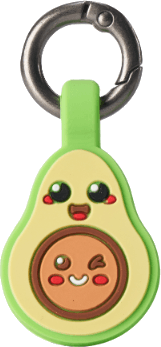
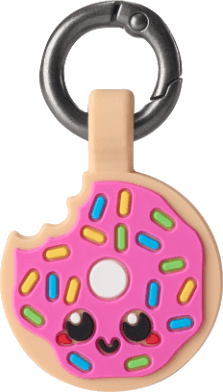
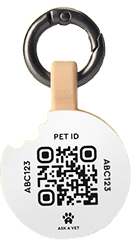
Ask A Vet also makes Smart ID Tags for dogs and cats. See the Smart ID Tag
