
Animal Water Intake Calculator
Select your animal, enter their details and diet, and get an instant daily water target, including how much water is already hiding in their food.
Your daily water target
The estimate splits the daily requirement into water from food and water from the bowl or trough.

Your water target will appear here
Answer the three steps and calculate. You get the total daily requirement, the water already hiding in the food, and how much should come from the bowl or trough.

Talk. Track. Trust.
Wondering whether your pet's drinking is actually normal?
The ASK A VET™ app lets you log daily water intake alongside weight, food, toileting and symptoms, spot the trend before it becomes a crisis, and put the graph in front of a certified vet without leaving your couch.
Download ASK A VET today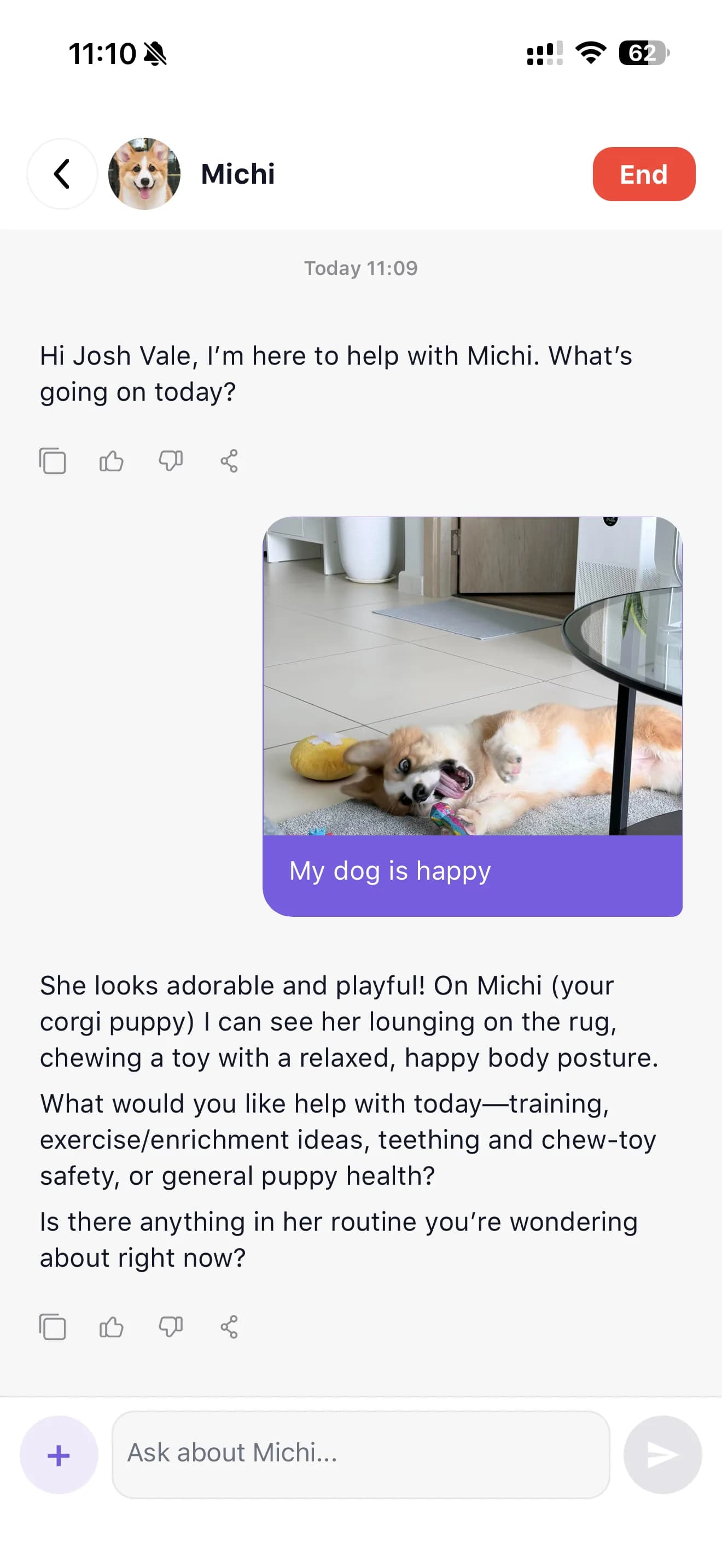

This calculator is a guide for healthy animals, not a diagnosis. Requirements vary with diet, health and environment. If your animal's drinking has changed suddenly, they seem unwell, or they are very young, pregnant or living with kidney, heart or urinary disease, speak to a vet before changing anything about their water access. Never restrict water without direct veterinary instruction.
Water intake, explained
Water is the most important nutrient your animal consumes, and the one owners think about least. Every vet has seen the flip side of that: the cat whose kidney disease was picked up a year late because "she always drank a bit more", the horse with impaction colic after a cold snap, the blocked wether that would not touch a dirty trough. Drinking behaviour is one of the earliest, cheapest health signals you have. You just need to know what normal looks like for your animal, and that is exactly what the calculator above works out.
Most healthy adult dogs need roughly 50 to 70 mL of water per kg of body weight per day, cats 40 to 60 mL/kg, rabbits 80 to 150 mL/kg, and horses 45 to 70 mL/kg. That figure is total water: animals on wet food, raw diets or fresh pasture get a large share from their food and drink far less from the bowl. Heat, exercise, growth, pregnancy and lactation all push needs up. A sudden, sustained change in drinking, up or down, is a reason to see a vet, not a quirk to watch for months.
Daily water requirements by species
These are maintenance ranges for healthy adults in mild weather, including the water contained in food. The calculator adjusts them for diet, weather, activity and life stage.
| Species | Total daily water | Real-world example |
|---|---|---|
| Dog | 50 to 70 mL/kg | 20 kg dog: 1 to 1.4 litres |
| Cat | 40 to 60 mL/kg | 4.5 kg cat: 180 to 270 mL |
| Rabbit | 80 to 150 mL/kg | 2.5 kg rabbit: 200 to 375 mL |
| Guinea pig | 60 to 100 mL/kg | 1 kg guinea pig: 60 to 100 mL |
| Ferret | 75 to 100 mL/kg | 1.2 kg ferret: 90 to 120 mL |
| Companion bird | 80 to 150 mL/kg | 400 g parrot: 30 to 60 mL |
| Chicken | 90 to 180 mL/kg | Laying hen: 200 to 400 mL, more in heat |
| Pig | 60 to 110 mL/kg | 80 kg pig: 5 to 9 litres |
| Sheep | 50 to 90 mL/kg | 70 kg ewe: 3.5 to 6 litres |
| Goat | 50 to 90 mL/kg | 60 kg goat: 3 to 5.5 litres |
| Cattle | 50 to 90 mL/kg | 500 kg steer: 25 to 45 litres. Lactating dairy cows 100 to 150+ litres |
| Horse | 45 to 70 mL/kg | 500 kg horse: 22 to 35 litres |
Two animals of the same species and weight can sit at opposite ends of these ranges and both be healthy. What matters clinically is a change from your animal's own normal.
Why food changes everything
This is the part almost every owner misses. Water requirement is about total water, and food is a water source. The differences are enormous:
| Food type | Moisture content |
|---|---|
| Dry kibble, biscuits, mash, grain, pellets | 8 to 12% |
| Hay | 8 to 10% |
| Canned or pouched wet food | 75 to 82% |
| Raw meat diets | 65 to 75% |
| Fresh grass and pasture | 75 to 85% |
| Fresh vegetables and leafy greens | 85 to 95% |
A 4.5 kg cat on an all-wet diet takes in most of her daily water requirement before she ever visits the bowl, so a wet-fed cat that "never drinks" is usually fine. The same cat on an all-dry diet has to drink nearly her whole requirement herself, and cats are famously bad at it. That is one reason vets push wet food for cats with urinary problems.
It cuts the other way too. Swap a horse from lush pasture to hay, or a dog from raw to kibble, and their bowl or trough demand jumps overnight. Owners often misread that jump as excessive thirst when it is simply the food water disappearing from the equation. The calculator's diet slider handles this for you: tell it roughly what percentage of the diet is dry versus wet or fresh, and it splits the requirement into water from food and water they should actually drink.
Drinking too much: when thirst is a symptom
Vets call it polydipsia, and in dogs and cats the working threshold is total intake above 100 mL per kg per day sustained across normal-temperature days. Increased thirst is one of the most useful early warning signs in veterinary medicine because a short list of serious diseases all announce themselves through the water bowl, often months before anything else looks wrong:
| Cause | Typical clues alongside the thirst |
|---|---|
| Chronic kidney disease | Weight loss, larger urine clumps in the litter tray, picky appetite, more common in older cats and dogs |
| Diabetes mellitus | Ravenous appetite with weight loss, sweet-smelling urine, more common in overweight animals |
| Cushing's disease (dogs) | Pot belly, thinning coat and skin, panting, muscle loss |
| Hyperthyroidism (cats) | Weight loss despite eating like a horse, yowling, restlessness |
| Pyometra (entire females) | Weeks after a season: lethargy, off food, sometimes vaginal discharge. This one is an emergency |
| Liver disease, high blood calcium, urinary infection | Variable: vomiting, lethargy, accidents in the house |
| Medications | Corticosteroids and diuretics reliably increase drinking. Expected, but tell your vet |
The single most useful thing you can do before the vet visit: measure the intake over 24 hours and bring a fresh morning urine sample in a clean container. A urine concentration test plus your measurement answers half the diagnostic question before any blood is drawn. And never restrict water in a polydipsic animal. They are drinking more because their body cannot concentrate urine; restriction dehydrates them, sometimes dangerously.
Drinking too little: dehydration
Low intake is usually a symptom of something else: nausea, dental pain, gut pain, or simply a water source the animal does not want to use. Check for these signs:
- Tacky or dry gums instead of slick and wet
- Skin tenting: gently lift the skin over the shoulders; in a hydrated animal it snaps back instantly
- Sunken eyes, lethargy, concentrated dark urine
- In rabbits and guinea pigs: shrinking, drying droppings, which precede full gut stasis
- In livestock: sudden drop in milk yield or egg production, crowding the trough
Size matters here. A horse can miss a day of drinking and earn itself colic. A kitten, budgie or guinea pig can be in life-threatening trouble within 12 to 24 hours.
See a vet urgently if your animal:
- Has not drunk for 24 hours, or 12 hours for kittens, puppies, rabbits, guinea pigs and birds
- Is drinking excessively AND vomiting, flat or off food
- Is a cat straining in the litter tray with little or no urine (possible blocked bladder, hours matter)
- Is an unspayed female drinking heavily weeks after a season (possible pyometra)
- Shows heatstroke signs: heavy panting or open-mouth breathing, drooling, wobbliness, collapse
- Is a horse that is off water and showing colic signs: pawing, flank watching, rolling
- Suddenly drinks enormous amounts after access to something toxic or very salty (playdough, seawater, pool chemicals)
How to measure water intake properly
- Pick a normal 24-hour period, not a heatwave or a beach day.
- Fill the bowl with a measured volume using a measuring jug. Write it down.
- Refill only with measured amounts through the day.
- After 24 hours, measure what is left and subtract. That is the day's drinking.
- Repeat for two or three days and average, because normal animals vary day to day.
Watch the traps: multi-pet households (isolate the drinker or use separate rooms for the measurement), toilets and showers for cats and dogs, ponds and puddles outside, rain topping up outdoor bowls, and evaporation in hot weather. For livestock on troughs, exact measurement is impractical; watch behaviour instead. Animals queuing at the trough, guarding it, or gathering when the water cart appears are telling you supply is short.
Common mistakes owners make
- Counting only the bowl. A wet-fed cat drinking 20 mL a day is normal. A dry-fed cat drinking 20 mL a day is heading for trouble.
- Restricting water to fix accidents or night-time drinking. If an animal urinates more, it drinks more to compensate, not the other way around. Restriction dehydrates them and hides the real disease.
- Explaining away a thirsty older cat. "She's just old" delays kidney and thyroid diagnoses by months or years.
- One water point for multiple animals. Subordinate animals get bullied off bowls and troughs and quietly under-drink. Rule of thumb: one station per animal plus one spare.
- Dirty or spoiled water. Goats, cats and horses in particular would rather go thirsty. Slimy bowls, algae-filled troughs and icy water all cut intake.
- Forgetting the season change. Cold snaps reduce drinking in horses and livestock right when hay feeding peaks, the classic impaction colic setup. Heat can double poultry demand in an afternoon.
- Trusting a water bottle. Sipper ball bearings jam. Check flow every single day for rabbits, guinea pigs and ferrets.
Keeping intake up: what actually works
- Cats: wet food is the single biggest lever. Then water fountains, wide shallow bowls that do not touch whiskers, multiple stations away from food and litter, and topping wet food with a splash of water.
- Dogs: fresh water always down, carried water on warm walks, and a rinse of the bowl daily, not weekly.
- Rabbits and guinea pigs: a heavy ceramic bowl alongside any bottle, plus daily fresh greens.
- Horses: in winter, offer water above freezing temperature and consider soaking hay. After heavy work, small repeated drinks are fine; the old "no water after exercise" rule is a myth in modern management.
- Livestock: clean troughs on a schedule, shade over water in summer, adequate trough space per head, and check float valves daily. Water is the cheapest production input you have.
- Birds and poultry: fresh water daily minimum, twice daily in summer, drinkers out of direct sun, and spares so no bird can be guarded off water.
Frequently asked questions
How much water should a dog drink per day?
A healthy adult dog needs roughly 50 to 70 mL per kg of body weight per day in total, so a 20 kg dog needs about 1 to 1.4 litres. Dogs on wet or raw food will drink noticeably less from the bowl because most of that water arrives in the food.
My cat barely drinks. Should I worry?
It depends entirely on the diet. On mostly wet food, minimal drinking is normal and expected. On an all-dry diet, a cat that barely drinks is chronically under-hydrated, which feeds into urinary crystals and cystitis. Add wet food, fountains and extra bowls, and if she is also losing weight or vomiting, see a vet.
Why is my dog suddenly drinking so much?
Rule out the obvious first: heat, exercise, a diet switch from wet to dry, and recent medications such as corticosteroids. If none apply and the increase lasts more than a few days, measure the 24-hour intake and book a vet visit with a fresh urine sample. Kidney disease, diabetes and Cushing's disease are the classic causes, and all do better caught early.
How much water does a horse drink a day?
Typically 25 to 35 litres for a 500 kg horse on hay, less on green pasture, and substantially more in heat, work or lactation. A horse that stops drinking, especially in cold weather on a hay diet, is at real risk of impaction colic and needs attention the same day.
Should rabbits use a bowl or a bottle?
Research and clinical experience both favour bowls: rabbits drink more from an open bowl, and drinking more is almost always what we want. Offer both if you like, but make the bowl the primary source and check any bottle daily for jammed spouts.
Is milk a good drink for cats or dogs?
No. Most adult cats and dogs are lactose intolerant, so milk tends to cause diarrhoea, which dehydrates them. Water is the only drink they need.
Does ice water cause bloat in dogs?
No, that is an internet myth. Cold water is fine. What matters with bloat-prone deep-chested breeds is avoiding huge volumes gulped frantically alongside large meals and hard exercise.
How accurate is this calculator?
It uses published veterinary maintenance ranges and standard food moisture values, so it is a solid estimate for healthy animals. It is deliberately a range, not a single number, because individual variation is real. It does not replace a vet for sick, very young or pregnant animals, and no calculator should ever be used to restrict a sick animal's water.
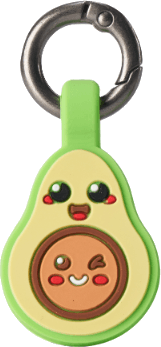
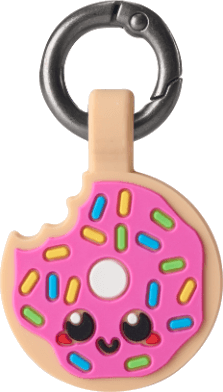
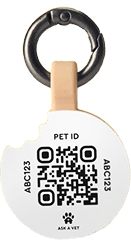
Ask A Vet also makes Smart ID Tags for dogs and cats. See the Smart ID Tag
