


Vet’s 2025 Guide to Gastroenteritis in Dogs – Symptoms, Diagnosis, Treatment & Recovery 🐶
In diesem Artikel
Vet’s 2025 Guide to Gastroenteritis in Dogs – Symptoms, Diagnosis, Treatment & Recovery 🐶
By Dr. Duncan Houston BVSc
💡 What Is Gastroenteritis?
Gastroenteritis is inflammation of the stomach and intestines, often causing vomiting and diarrhea. It can range from mild upset to severe, life-threatening illness, depending on the cause and the dog’s condition.
⚠️ Common Causes
- Dietary indiscretion: spoiled food, garbage, table scraps
- Infections: bacterial (e.g. Clostridium, Salmonella), viral (e.g. parvovirus), parasitic (e.g. Giardia, coccidia)
- Toxins or medications: NSAIDs, household chemicals
- Stress or underlying health problems (IBD, pancreatitis, liver/kidney disease)
🧩 Recognizing the Symptoms
- Vomiting (bile or blood), repeated retching or gagging
- Diarrhea — watery, with mucus or blood
- Abdominal pain, restlessness, drooling
- Signs of dehydration: sunken eyes, dry gums, lethargy
- Fever, weakness, lack of appetite
- Hemorrhagic form (HGE): sudden bloody diarrhea, rapid fluid loss, especially in small breeds
🔍 Veterinary Diagnosis
Your vet will perform:
- Physical exam + history (diet, toxins, exposures)
- Bloodwork (CBC, chemistry, dehydration signs)
- Fecal tests (parasites, bacteria, viruses), GI panels
- Imaging (x-rays/ultrasound) if obstruction or other cause is suspected
💊 Treatment Protocols
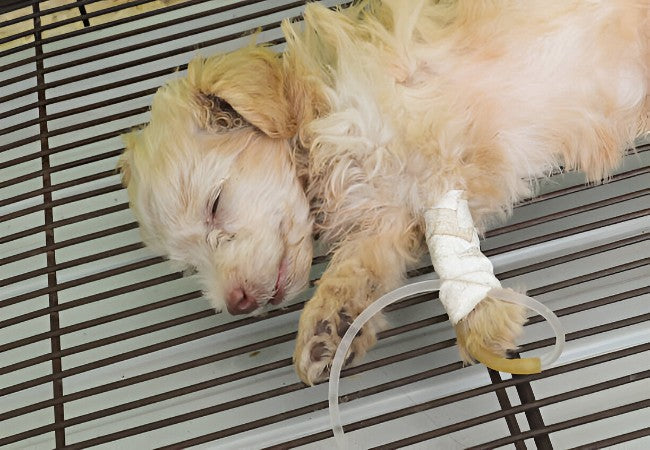
- Fluids: IV or subcutaneous to correct dehydration and electrolyte balance
- Medication: anti-emetics (e.g., maropitant), antacids (famotidine, omeprazole), pain relief, antibiotics/probiotics as needed
- Diet: bland, low-fat meals in small portions; gradual transition
- Advanced care: hospitalization, feeding tube, endoscopy/surgery if obstruction is detected
- Toxin/foreign body management: activated charcoal, induced vomiting, surgical removal
📈 Recovery & Prognosis
Most uncomplicated cases recover within a few days to a couple of weeks. Chronic or severe cases may require longer monitoring, dietary management, or ongoing medication.
📋 Prevention Tips
- Stick to high-quality commercial diets, and avoid table scraps
- Prevent scavenging; supervise outdoor time
- Slow transitions over 7–10 days when changing food
- Maintain vaccinations & parasite control
- Reduce stress, provide a clean enviro & monitor sensitive dogs
📲 Supporting Tools from Ask A Vet
- Ask A Vet – immediate access to live vets for early symptoms or treatment guidance 📱
🌟 Real-Life Case
Case: "Buddy," a 7-year-old Labrador, developed vomiting & diarrhea after scavenging. Prompt IV fluids, anti-nausea meds & bland diet led to full recovery within 4 days—no recurrence with prevention changes! 🐾
✅ Key Takeaways
- Know the signs: vomiting, diarrhea, blood, abdominal pain
- Seek veterinary care early—supportive care works best within 48 hrs
- Prevention by managing diet, hygiene, and stress
- Use the Ask A Vet app for immediate vet support and peace of mind 💡
📥 Need Help Now?
Worried about your dog’s upset stomach or GI signs? Download the Ask A Vet app for fast vet access, expert advice, and personalized care plans. Visit AskAVet.com