
Lost Pet Action Plan: Find Your Missing Cat or Dog
Your dog or cat is missing. Answer a few questions and get a step-by-step plan for the first hour, the first day and the week ahead: where to search, who to call in your country, and a printable lost poster.
If your pet has been hit by a car, is hurt, or is in danger near a road or water, call the nearest vet clinic or emergency vet now. This plan is general guidance built from published research and animal welfare advice. It cannot promise your pet will be found, and it does not replace advice from your vet, council or local shelter.
About your missing pet
Country and microchip
Urgent checks
Your action plan
Choose the species, how long your pet has been missing and your country to see your plan.
Make a lost poster and an emergency info card
Fill in what you know. Your photo stays in this browser: it is not uploaded, sent or stored by askavet.com.
Keep one identifying detail off the poster, and leave off your home address and the full microchip number. You can then check anyone who says they have your pet.
Extra details for the emergency info card

Still have questions about your pet?
Download ASK A VET for instant guidance from our AI Vet, chat with a veterinary professional for urgent concerns, or book a telehealth video call with a vet—all from the comfort of home.
Download ASK A VET today


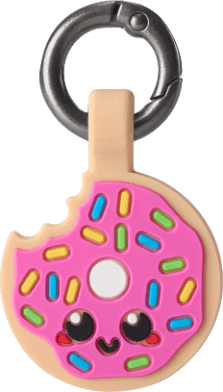
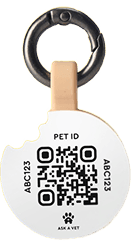

This tool is general information for pet owners and does not replace advice from a veterinarian, your council or your local shelter. Search distances are what studies found, not limits, and no plan, tag or tracker can promise a lost pet will be found. Rules on microchips, registration and how long strays are held differ by country, state and council: check with yours. Nothing you enter is sent to or stored by askavet.com. All values, and any photo you add, stay in your browser and leave only in the printout or notes you create.
How to use the Lost Pet Action Plan
Tell the plan whether you have lost a dog or a cat, how long they have been missing, and which country you are in. For a cat, say whether they are indoor-only or go outdoors, because the two behave very differently when lost. Add whether your pet is friendly or shy, whether they are microchipped, what they were wearing, and whether you moved house recently. Tick the urgent checks if your pet was seen hurt or needs daily medicine: these always come first.
The plan is split by time: the first hour, the first 24 hours, days 2 to 7, and after a week. The stage you are in is marked "You are here". Anything from earlier stages that you have not done yet is marked "Do now if not done yet". Each step names its source, so you can read the original advice.
Below the plan you can build a lost poster and a pet emergency info card, then print them. Your photo is read by your own browser and placed on the poster. Nothing you type or add is sent to askavet.com.
The research behind this plan
This tool is a checklist, not a calculation, so the "formula" is a set of rules. The working strip under your plan shows which rules applied to your answers. The search distances come from two studies. For cats, Huang and colleagues (2018, Animals) surveyed owners of 1,210 missing cats. For dogs, Lord and colleagues (2007, Journal of the American Veterinary Medical Association) followed 187 lost dogs in one US county. How lost pets got home comes from a US national survey by Weiss, Slater and Lord (2012, Animals). The steps come from the ASPCA, Humane World for Animals, the AVMA and AAHA in the US; GOV.UK, the RSPCA, Dogs Trust, Blue Cross and Cats Protection in the UK; RSPCA Australia, RSPCA NSW, Agriculture Victoria, the NSW Pet Registry and Pet Address in Australia; and the New Zealand Companion Animal Register and SPCA New Zealand.
| Pet | Where most were found | Suggested search area |
|---|---|---|
| Indoor-only cat | Half within 39 m (43 yards); 3 in 4 within 137 m (150 yards) | 200 m (219 yards); usually less than 3 houses away |
| Cat that goes outdoors | Half within 300 m (328 yards); 3 in 4 within 1.6 km (1 mile) | Up to 2 km (1.2 miles) or more |
| Dog | 71 in 100 recovered dogs less than 1.6 km (1 mile) from home; 7 in 100 more than 8 km (5 miles) | No fixed radius: start close to home, then widen |
These are not limits. One cat in the study was found 25 km (15.5 miles) away, and some dogs travel further than 8 km (5 miles). Start close and widen as the days pass.
Where lost cats hide
Indoor-only cats that get out are usually frightened. Most hide close to home, often somewhere you cannot see, and stay silent even when their family calls. In the 2018 study, most cats found outdoors were hiding under porches, cars or other objects near home. Very curious cats were more often found inside someone else's house, so ask neighbours to check inside garages, sheds and homes. Search slowly in daylight, then again early in the morning and at night when it is quiet. Cats that go outdoors usually stay within their home range, but if they do not come back as usual, something may be stopping them: they may be trapped, hurt or shut in.
Where lost dogs go
A friendly, confident dog is more likely to be found where people or other dogs gather. A shy, frightened or injured dog, or one lost in an unfamiliar area, is more likely to be hiding or on the run. Never chase a frightened dog: it can drive them out of the area. Ask everyone who sees your dog to call you instead. In the US national survey, searching the neighbourhood was the most common way found dogs got home.
Who to contact in your country
United States
Call animal control, city and private shelters, rescue groups and vet hospitals, and visit shelters in person with photos. Mark your pet as lost with the microchip registry. The US has no single microchip database: the AAHA Universal Pet Microchip Lookup lists the registries linked to a chip number. List your pet on Petco Love Lost, which matches photos of lost and found pets.
United Kingdom
Report your pet missing to the microchip database it is registered with. If you are not sure which one, use check-a-chip. For a dog, contact the council dog warden (in England and Wales, find yours on GOV.UK) and neighbouring councils. Report your pet on Animal Search UK, and register a dog on DogLost. For a cat, also contact your local RSPCA branch and Cats Protection.
Australia
Councils manage lost and found pets, so contact your council pound and neighbouring pounds, animal shelters, the RSPCA and vet clinics. In New South Wales, mark your pet as missing on the NSW Pet Registry. Anywhere in Australia, Pet Address searches several microchip databases to find where a chip number is registered.
New Zealand
Log in to the New Zealand Companion Animal Register, update your details and report your pet as lost, which creates a LostPet listing. The SPCA lists every stray it takes in on LostPet. Tell local vets and the SPCA, and for a dog, your council Dog Control Officers.
Prevention for next time
Keep your pet's microchip registered with your current phone number and address, and update it whenever you move. Add a collar tag with your phone number: it lets a finder call you straight away, while the microchip is the back-up if the collar comes off. Keep recent photos of your pet's face and full body. After a move, keep cats indoors for a while so they can settle. No tag or tracker replaces a microchip, and no device can promise a lost pet will be found.
Frequently asked questions
How far do lost cats usually go?
Usually not far. In a study of 1,210 missing cats, half of the cats found alive were within 50 m (55 yards) of where they went missing, and 3 in 4 were within 500 m (547 yards). Indoor-only cats stayed closer (half within 39 m, or 43 yards) than cats that went outdoors (half within 300 m, or 328 yards). The researchers suggest searching 200 m (219 yards) around home for an indoor-only cat, and up to 2 km (1.2 miles) or more for a cat that goes outside. These are not limits: some cats were found much further away.
How far do lost dogs usually go?
In a study of 187 lost dogs in one US county, 71 in 100 of the recovered dogs were found less than 1.6 km (1 mile) from home, 14 in 100 were found 1.6 to 8 km (1 to 5 miles) away, and 7 in 100 were more than 8 km (5 miles) away. There is no fixed search radius, so start close to home and report your dog to councils and shelters in neighbouring areas too.
Can I track my pet with its microchip?
No. A microchip is not a GPS device and cannot track your pet. It holds an ID number that a vet, shelter or council scanner reads, and the registry then contacts you using the details on file. That is why marking your pet as missing and checking the phone number on the record matters so much.
What should I put on a lost pet poster?
A big headline such as LOST DOG or MISSING CAT, a clear recent photo, breed, sex, colour, age, size, distinctive features, when and where your pet was last seen, and two phone numbers. Ask people to call you rather than chase. Leave one identifying detail off the poster so you can check anyone who says they have your pet.
How long do shelters and councils keep lost pets?
It depends on where you live, which is why in-person visits should start early. UK council dog wardens must hold a stray dog for only 7 days (5 days in Northern Ireland). Councils in Victoria, Australia, must hold identified cats and dogs for 8 days. The SPCA in New Zealand must hold animals for 7 days. In parts of the US, a shelter may hold a lost cat for as little as 72 hours (3 days). Ask each shelter near you.
When should I stop looking for my lost pet?
Keep going. Pets have been reunited with their families weeks, months and even years after going missing. Keep visiting shelters, keep checking found listings, and keep your pet marked as missing with the microchip registry. Frightened cats can hide for days or even weeks before they come home or are found.
Related tools
- Emergency Symptom Checker: once your pet is home, check whether they need an emergency vet now.
- General Toxins Calculator: if your pet may have eaten something toxic while missing.
- Microchip change of ownership form: keep the microchip record in the right name.
Sources
- Huang L, Coradini M, Rand J, et al. Search methods used to locate missing cats and locations where missing cats are found. Animals. 2018;8(1):5. Full text
- Lord LK, Wittum TE, Ferketich AK, Funk JA, Rajala-Schultz PJ. Search and identification methods that owners use to find a lost dog. JAVMA. 2007;230(2):211-216. Article
- Lord LK, et al. Search and identification methods that owners use to find a lost cat. JAVMA. 2007;230(2):217-220. Abstract
- Weiss E, Slater M, Lord L. Frequency of lost dogs and cats in the United States and the methods used to locate them. Animals. 2012;2(2):301-315. Full text
- ASPCA, Finding a Lost Pet. Humane World for Animals, How to find a lost dog and How to find a lost cat. AVMA, Microchipping FAQ.
- GOV.UK, Get your dog or cat microchipped. RSPCA, Lost your cat?. Cats Protection, Lost a cat. Dogs Trust, Lost your dog. Blue Cross, Missing and stray dogs.
- RSPCA Australia, What should I do if my cat is missing?. RSPCA NSW, Lost or found an animal. Agriculture Victoria, Lost cats and dogs.
- New Zealand Companion Animal Register, Lost pet advice. SPCA New Zealand, What to do if your pet goes missing.
Ask A Vet also makes a GPS Tracker for dogs and cats. See the GPS Tracker
